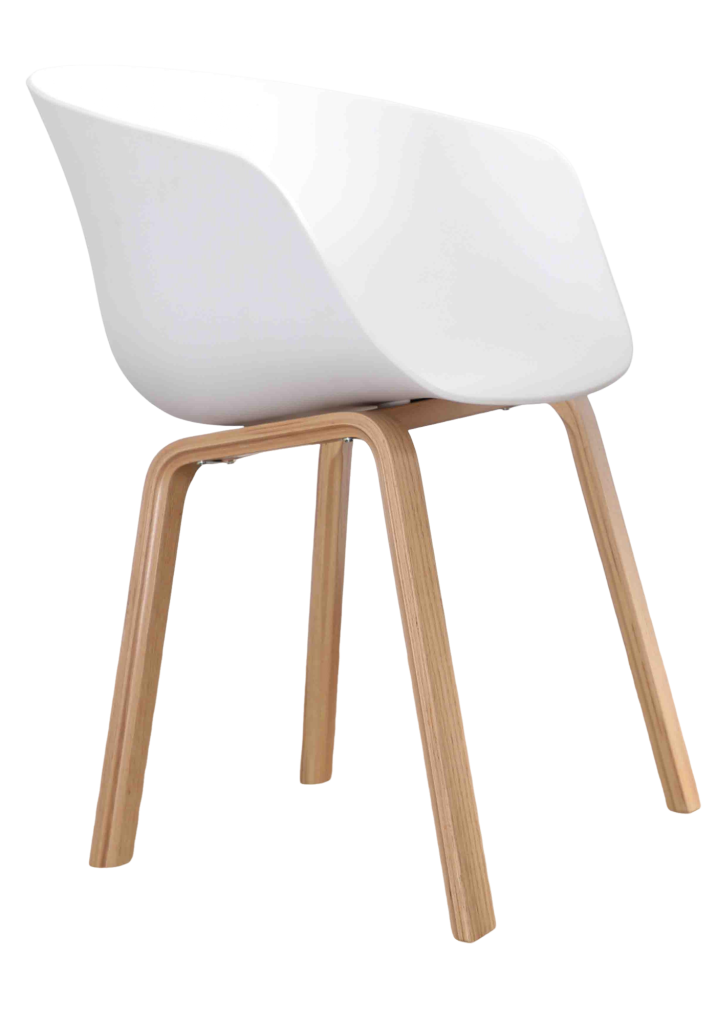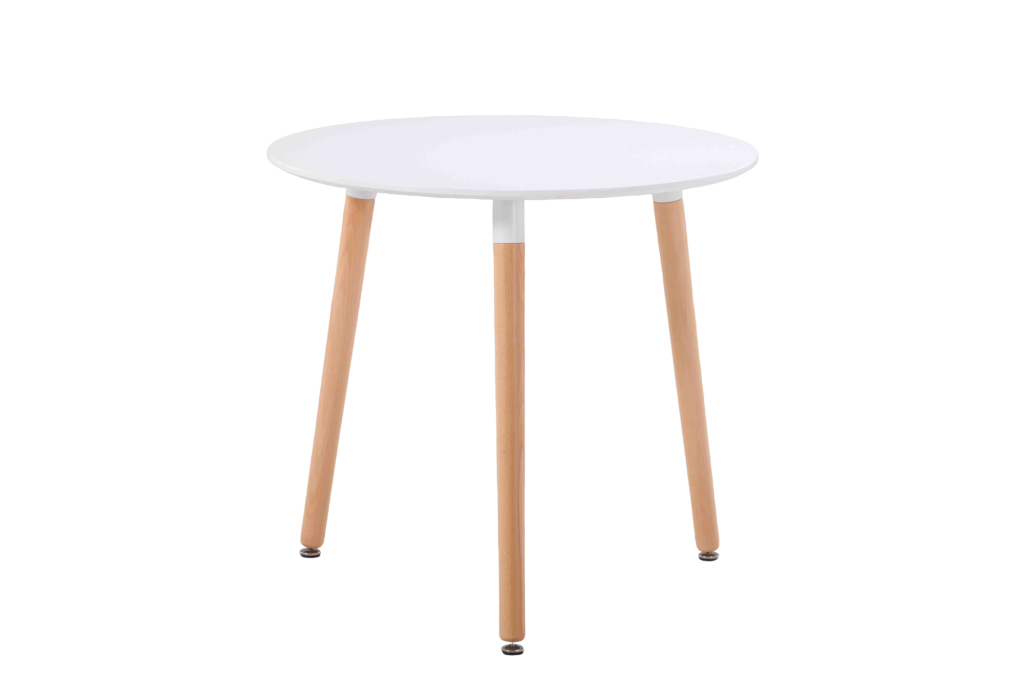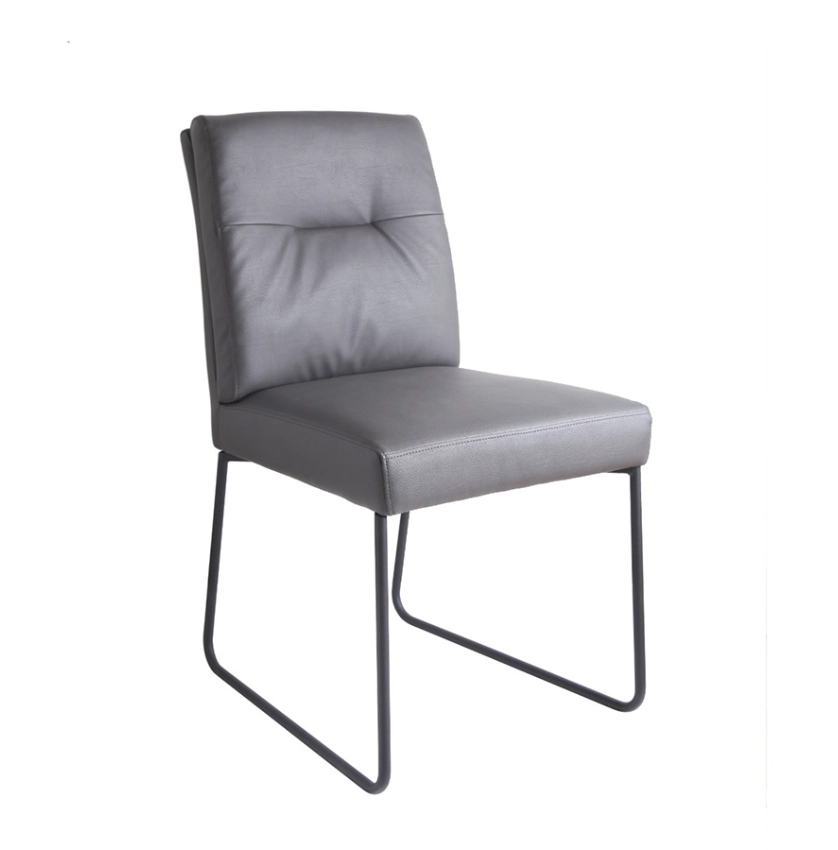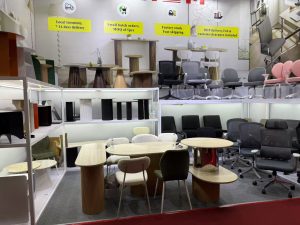

Selecting a furniture provider extends beyond mere cost assessment. By 2026, timelines grow stricter, client demands intensify, and margins for mistakes narrow.
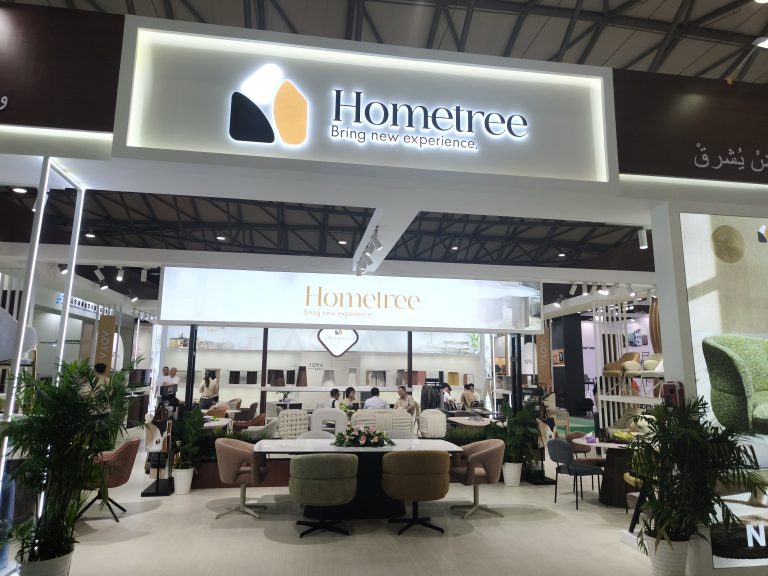
A capable provider nowadays serves as more than a mere producer of furnishings. It functions as an ally that bolsters product placement, upholds standards amid expansion, and adjusts to evolving consumer patterns. Certain producers have established such frameworks already. Hometree, for instance, has managed a furniture facility since 2010, concentrating on dining and living room items while broadening its assortment and worldwide reach. Such extended background typically manifests in seamless project execution.

Market dynamics have shifted. Buyers now spot nuances previously overlooked. Minor flaws trigger swift feedback.
Orders of 500 or 5,000 units demand uniformity across each piece. Variations in hue, dimensions, or build no longer suffice. Numerous issues arise from lax oversight in fabrication.
A diligent facility establishes firm benchmarks. Dimensional leeway typically stays within ±0.5mm. Hues align precisely with endorsed prototypes, showing no discernible variance. Exteriors remain spotless, free from abrasions or fabrication traces. Even minor attachments like base cushions require secure fitting without slack.
Hometree addresses this through a dedicated quality control team that checks every stage, from raw materials to final packaging, reducing the risk of batch inconsistencies.
Eco-friendliness now influences purchase choices. Components like FSC-certified timber and reusable elements emerge as standard stipulations.
Particular producers employ verified timber and incorporate recovered materials to lessen ecological effects. This satisfies legal norms and elevates brand worth in overseas sectors.
Hometree integrates these requirements into production by sourcing certified wood and supporting reclaimed materials where possible. This helps businesses meet compliance standards while also improving brand perception in eco-conscious markets.
A trustworthy provider generally functions with a defined group arrangement. Creation, model-making, fabrication, standard oversight, and distribution collaborate seamlessly. Every group manages a distinct phase, which minimizes errors and enhances dialogue.
Standards originate with components. Metal skeletons, for example, necessitate adequate density. When wall density falls below 1.2mm, the framework risks bending gradually. A denser span of 1.5 to 2.0mm provides superior resilience and longevity.
Timber choices hold significance too. Oak frequently suits foundational sections due to its resistance to warping and suitability for routine handling. It also proves more economical than elite dense woods. MDF suits exteriors commonly, offering smoothness and ease of shaping, particularly for contemporary styles.
A robust standard oversight method examines components on two occasions. Initially at the provider level, and then upon factory receipt. In fabrication, templates prepare ahead, ensuring every part maintains uniformity.
Reviews encompass various particulars. Dimensional precision, hue uniformity, exterior state, and even sanitation. Wrapping undergoes testing too, confirming items remain safeguarded in transit.
Hometree’s inspection process goes deeper. It includes checks on size accuracy, surface condition, color consistency, and even packaging performance. Each batch follows standardized inspection criteria, which is why large-volume orders remain consistent.
Should a provider supply only conventional patterns, products blend indistinguishably with competitors. Such uniformity often sparks cost rivalries, eroding profit edges.
Furniture fashions shift rapidly. Forms, components, and shades adapt to buyer inclinations. Lacking creative backing renders product arrays stale.
Creation involves more than aesthetics. It influences body alignment, build, and fabrication expenses. A soundly crafted item proves simpler to fabricate and more user-friendly.
A thorough creative sequence incorporates idea formulation, three-dimensional simulation, and model creation. Each phase permits refinements prior to large-scale fabrication.
Seasoned model teams assess build and security. They also polish details, ensuring the end item performs effectively in practical settings.
Hometree stands out here because it has its own design team, which is rare among manufacturers. From concept sketches to 3D modeling and prototyping, every stage is handled internally.
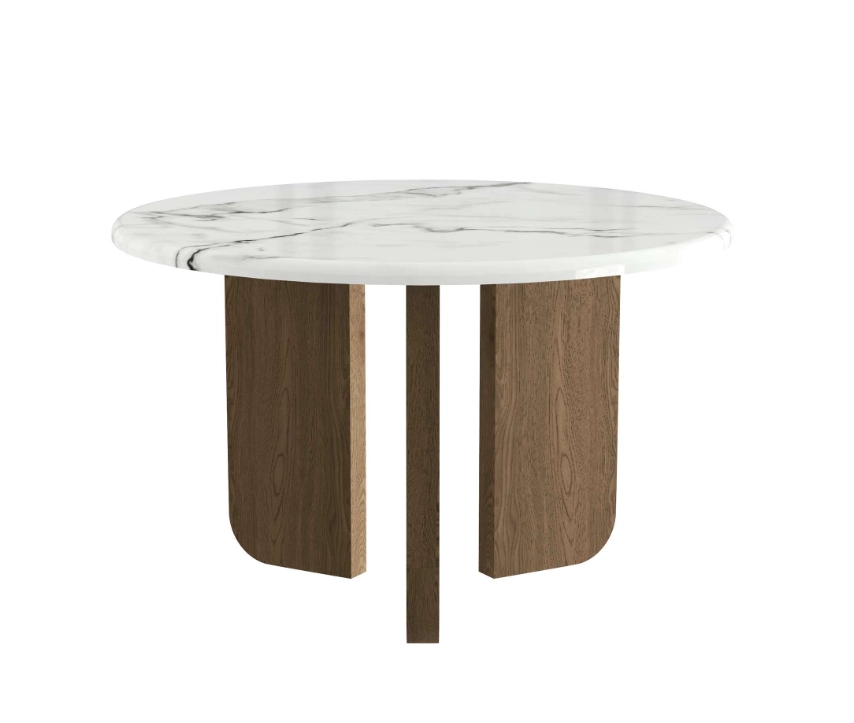
The Dining Table Marble AYP037 stands as a solid instance. It merges a marble surface with sturdy foundational backing. The exterior withstands warmth and marks, rendering it suitable for everyday application. Simultaneously, the style retains simplicity and freshness, accommodating varied environments without seeming obsolete.
Tardy shipments occur more frequently than anticipated. They typically result from disorganized fabrication.
Furniture fabrication entails numerous phases. Metal sections, covering, joining, and wrapping all demand alignment. Should one phase lag, the full timetable alters.
Such shifts can cause overlooked due dates, added warehousing expenses, or fines in major endeavors.
A capably run facility employs tracking mechanisms for orders and components. This facilitates improved planning and prevents avoidable holdups.
Fabrication divides into specialized units, like metal handling, stitching, and wrapping. Each unit operates concurrently, enhancing productivity.
Hometree improves delivery efficiency by dividing production into specialized departments that work simultaneously. Combined with system-based scheduling, this keeps delivery cycles stable, typically within 30 to 45 days for large orders.
Certain providers manage modest orders effectively yet falter amid rising quantities. Verification ensures they expand alongside business needs.
Examine fabrication organization. A distinct labor split generally indicates heightened productivity. Additionally, confirm if the provider standardizes parts. This accelerates output and preserves uniformity.
A seasoned producer decomposes items into segments and delegates them to varied groups. For instance, metal sections, coverings, and wrapping process distinctly yet align closely.
Hometree uses a modular production approach. Products are broken down into components and produced by different departments, then assembled efficiently.
Conventional furnishings seldom suit particular endeavors. Accommodations, workplaces, and home areas each present unique demands.
Tailored approaches enable alignment of furnishings with designated areas. They also foster uniform visual themes, crucial for identity establishment.
Select producers delivering comprehensive services, spanning creation to fabrication. They generate visual simulations depicting furnishings in authentic settings.
A provider may present attractive rates, yet sustained collaboration hinges on dependability.
Providers engaging in worldwide displays typically remain current with sector shifts. They possess backgrounds in serving diverse client types.
Particular producers cater to distributors, vendors, and extensive outlets. This demonstrates capacity for varied order magnitudes.
An alert distribution unit proves vital. Prompt responses and lucid exchanges avert misconceptions. Effective aid units bridge needs and fabrication.
This gains particular relevance in tailored endeavors or substantial orders.
Prior to finalizing, review a straightforward list.
Clarity in these areas transcends mere provider selection. It fosters enduring alliances that propel advancement.
Q1: What is the most important factor when choosing a furniture supplier in 2026?
A: Uniformity spanning all lots. Its absence undermines even strong creations in competitive arenas.
Q2: How can you reduce the risk of quality issues?
A: Collaborate with providers featuring rigorous review mechanisms, defined leeway benchmarks, and dual verifications for base components.
Q3: Is custom furniture worth the extra cost?
A: Generally, in commercial scenarios, it merits the investment. It aligns with environments and curtails later adjustment expenses.
Q4: What delivery time should you expect for bulk orders?
A: Approximately 30 to 45 days marks a typical and sensible duration for organized fabrication.
Q5: How do you know if a supplier can handle large orders?
A: Inspect their fabrication arrangement, group composition, and prior involvement in expansive initiatives.