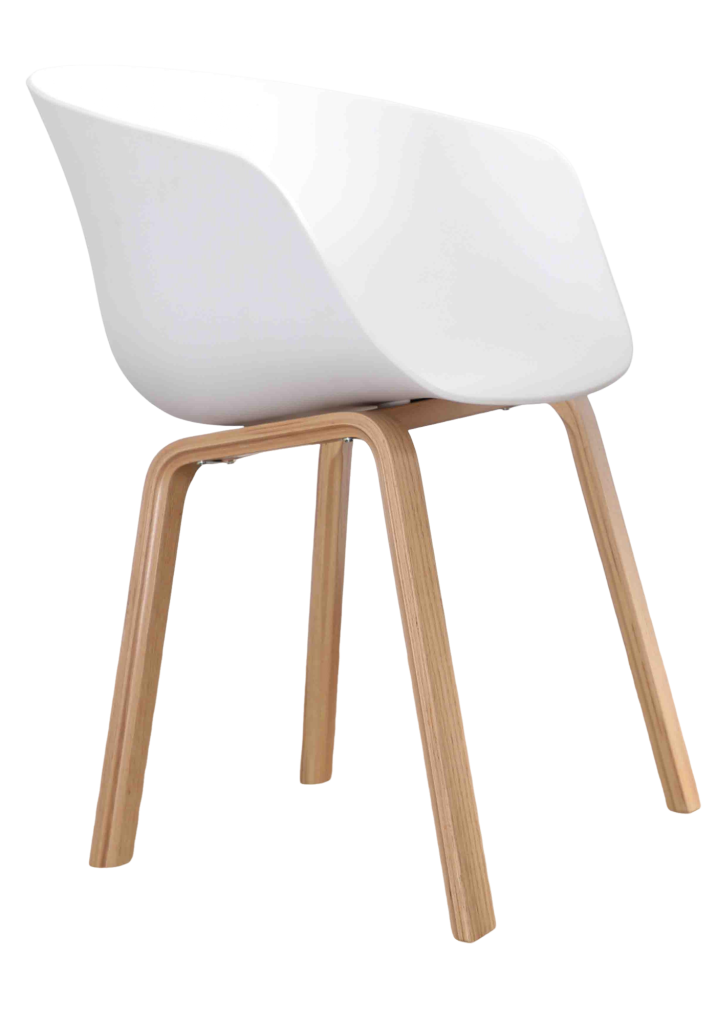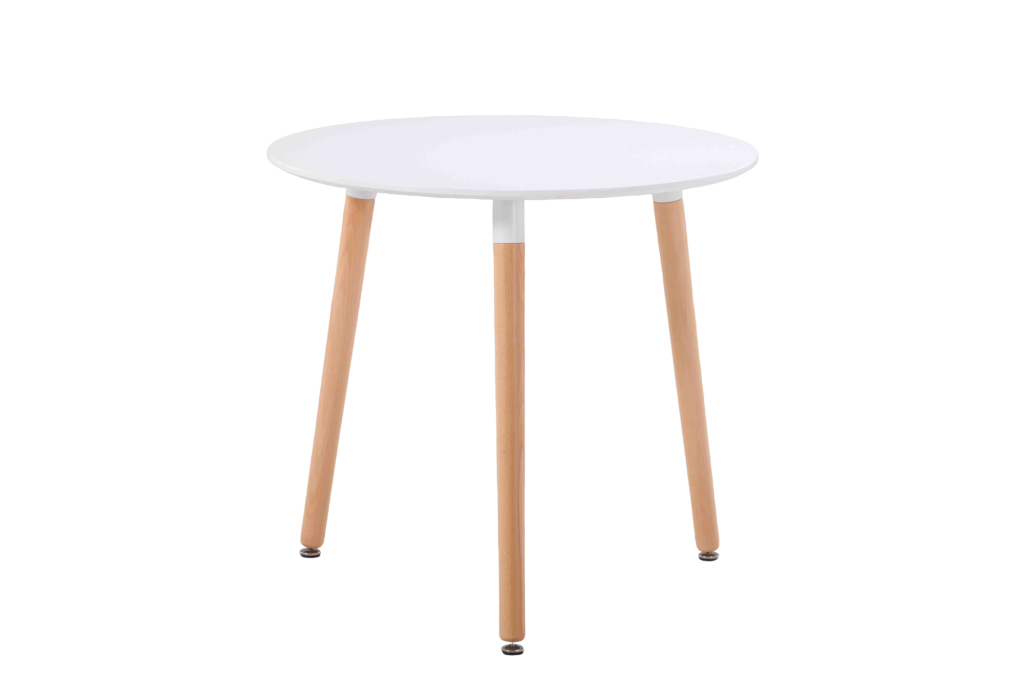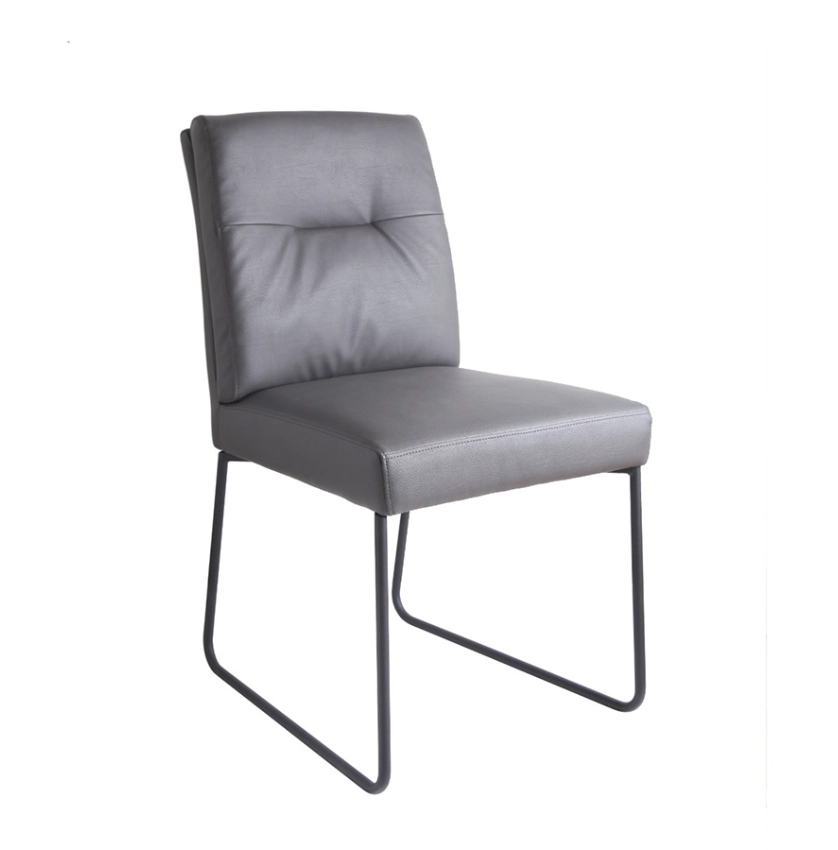

Selecting suitable wood for furniture constitutes a choice that subtly influences routine activities. This selection determines the endurance of a table, the sensation of a chair following prolonged utilization, and the appearance of a space in early daylight.
When acquiring furniture for commercial purposes or arranging residential enhancements, the substance selection carries greater significance than apparent. A trustworthy producer such as Hometree has dedicated more than 15 years to handling diverse substances, spanning solid wood to fabricated panels, and has polished the actual functionality of each in practical scenarios. Their involvement in worldwide markets and displays likewise illustrates variations in tastes, although the harmony of resilience and expense consistently remains central.
Prior to examining particular wood varieties, distinguishing the principal groups proves beneficial. This differentiation substantially affects resilience, expense, and the optimal placement of furniture within an area.
Hardwood originates from broadleaf trees including oak or maple. These trees develop gradually, yielding compact fibers and firmer builds. Such compactness enables hardwood furniture to withstand everyday abrasion without readily twisting.
In production settings, hardwood frequently serves for weight-supporting parts like table supports or chair skeletons. Industry guidelines suggest that adequately seasoned hardwood, with moisture levels regulated between 8% and 12%, aids in avoiding splits or bends as duration elapses.
Softwood derives from coniferous trees such as pine and cedar. These expand more rapidly, thus producing lighter and cheaper material. Nonetheless, this milder quality also renders it susceptible to impressions.
Softwood retains its relevance. It performs effectively for ornamental furniture, areas for children, or configurations where mass proves important. During extensive fabrication, softwood also allows simpler trimming and forming, thereby diminishing production outlays.
Hardwoods commonly represent the initial preference for enduring furniture commitments. Every kind possesses distinct characteristics, and slight variances can modify the maturation of furniture over periods.
Oak distinguishes itself via its robustness and trustworthiness. It counters twisting and manages repeated handling without readily splintering. Relative to superior woods like walnut, oak often proves approximately 30% more economical, which accounts for its extensive employment in foundational elements.
Regarding dining surfaces or seating requiring longevity, oak typically underpins that steadiness. Numerous producers likewise favor it for skeletons because it harmonizes expense and efficacy appropriately.
Maple exhibits a finer texture and paler shade. It conveys a neat and current vibe, aligning suitably with modern room arrangements. Its exterior better withstands marks than various milder woods, positioning it as fitting for kitchen surfaces or workstations.
A further factor in maples appeal stems from its uniformity. It avoids prominent texture shifts, thereby generating a more consistent appearance among furniture components.
Cherry wood features a cozy reddish color that intensifies gradually. This inherent maturation lends it a more polished look as time advances.
It receives selection often for furniture where aesthetic value equals utility. Consider storage units, prominent surfaces, or traditional room designs.
Walnut appears darker and more unique. Its texture designs frequently prove more vivid, imparting furniture with a luxurious sensation.
Processing it occurs more simply than with certain compact hardwoods, yet the expense remains elevated.
Softwoods receive frequent neglect, yet they fulfill a functional part in numerous furniture divisions, particularly when funds or mass hold importance.
Pine stays economical and straightforward to handle. Its evident texture imparts a rural or informal appearance, suiting countryside or casual room themes.
The limitation involves endurance. Pine impresses more readily, so it suits better for minimal stress applications or zones where slight abrasion remains acceptable.
Cedar possesses an innate fragrance and repels pests, rendering it practical for containment furniture like closets or trunks.
It qualifies as a softwood, yet its defense against dampness and breakdown provides an advantage in external or partially external uses.
Not every furniture piece employs solid wood. Fabricated wood has evolved into a key component of current furniture creation, notably in broad fabrication processes.
Substances including MDF, plywood, and particleboard aim to bolster steadiness and lessen surplus. For instance, MDF offers an even exterior that functions nicely for coated layers or overlays. Additionally, it supplies around 20% greater fastener retention than particleboard, assisting in pieces encountering frequent interaction.
An extra merit concerns expense. Overlaid MDF can diminish substance outlays by up to 40% while maintaining the genuine wood aesthetic. Within damp settings, it could surpass solid wood in performance since it bends less easily.
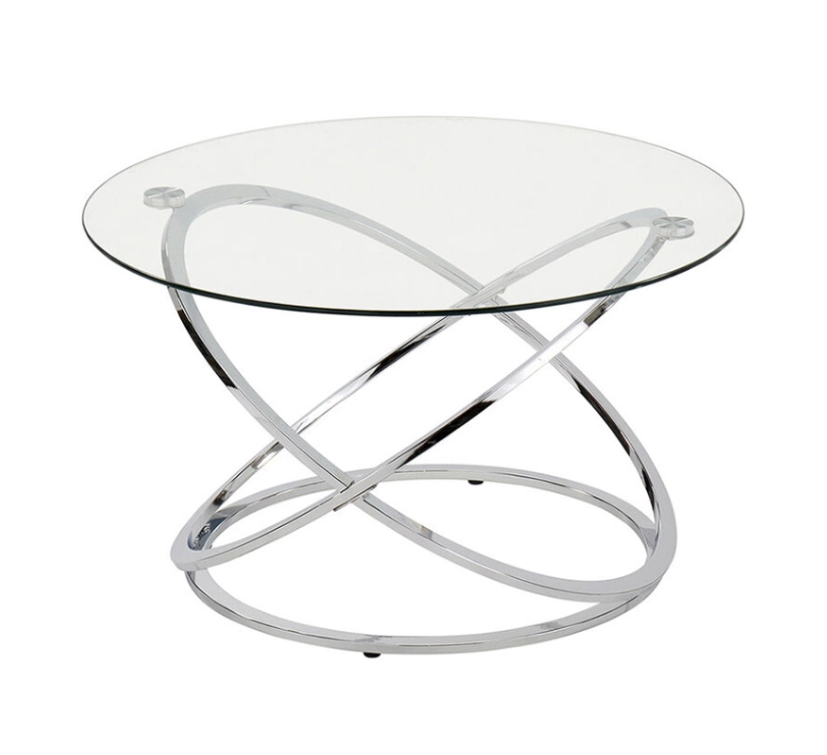
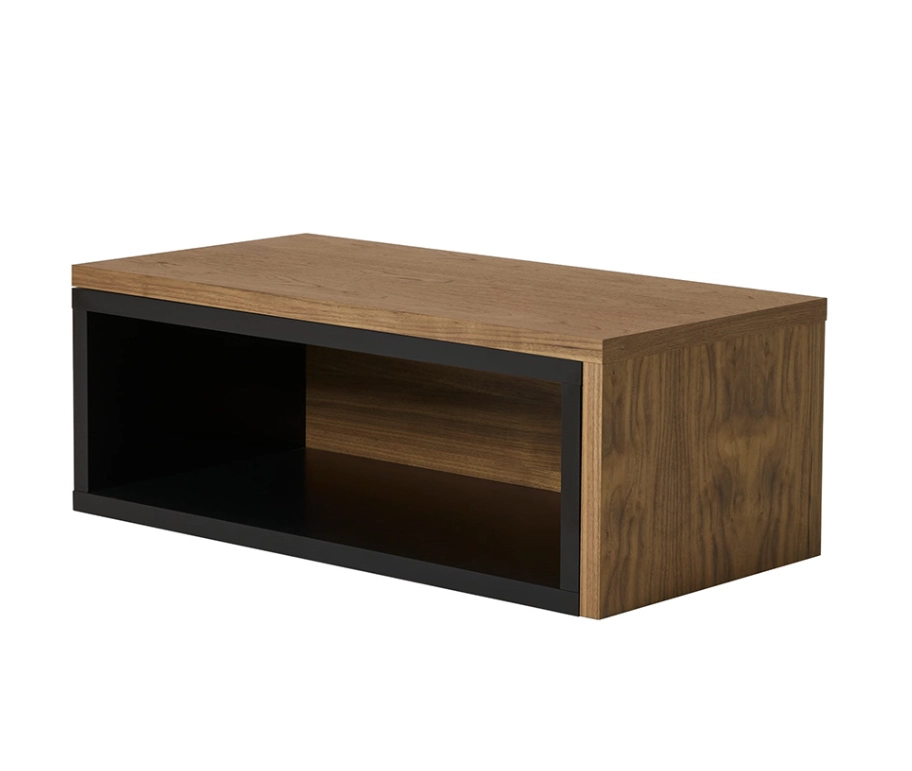
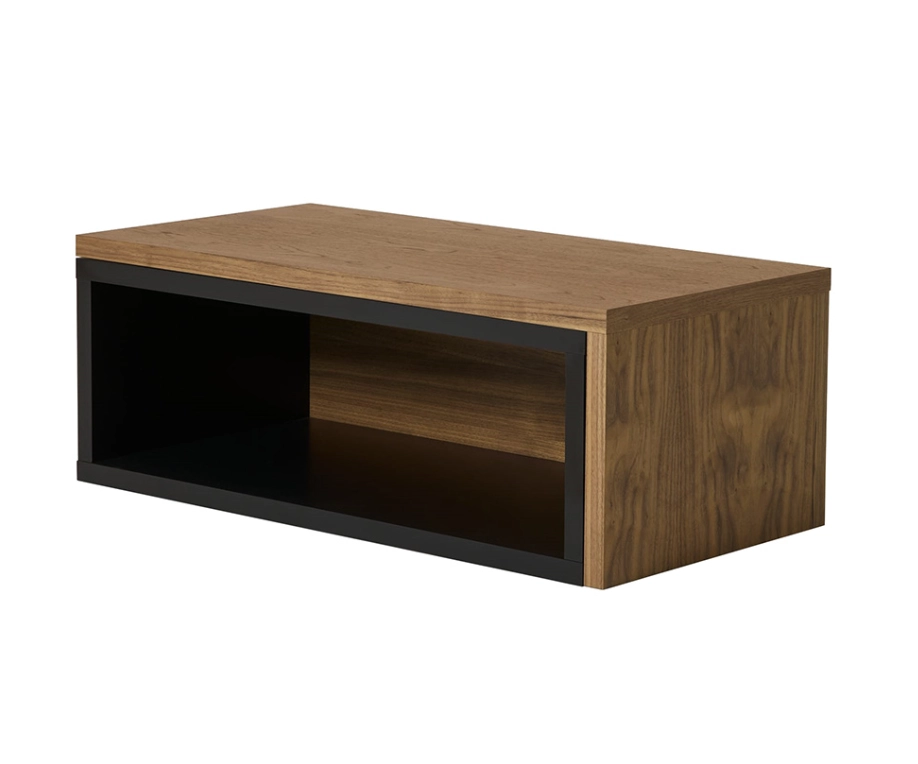
A concrete instance involves this HTT0157 Coffee & Side table, which merges current styling with fabricated substances to attain both resilience and a tidy exterior. This category of item illustrates how fabricated wood addresses everyday requirements without excessively elevating outlays.
Even the finest wood fails to persist without suitable maintenance. Upkeep remains straightforward, yet minor routines create substantial impact across durations.
Consistent dust removal via a gentle fabric averts accumulation capable of abrading exteriors. Employing protective bases assists in preventing moisture circles, which prove more challenging to erase than anticipated.
Unobstructed sunlight represents another aspect commonly overlooked. As time passes, it might lighten or irregularly shade wood exteriors. When furniture locates near an opening, occasional repositioning assists.
For solid wood, intermittent polishing or sealing preserves the exterior. It likewise highlights the texture, which constitutes one of the primary motives for wood preference initially.
Selecting wood extends beyond merely choosing the most robust alternative. It relies on the projected utilization of the furniture.
When resilience holds primary importance, hardwood such as oak qualifies as a secure option. When funds take precedence, fabricated wood with overlay delivers a solid equilibrium. For ornamental components, milder woods or blended substances function adequately.
Producers equipped with solid styling and fabrication abilities frequently merge substances to enhance efficacy. This method forms part of what distinguishes Hometree. Their group blends styling, model development, and standard verification to correspond with varied market demands, applicable to home or business applications.Selecting the right wood is crucial for both aesthetics and durability. Whether you’re furnishing your home or business, Hometree offers a wide variety of wood options, from hardwoods like oak to cost-effective MDF. Contact Hometree for expert advice or browse catalog of premium furniture.
Q1: Which Wood Is the Most Durable for Furniture?
A: Oak qualifies as one of the most resilient and economical selections. It counters twisting and manages everyday handling effectively, particularly for tables and chairs.
Q2: What Is the Best Wood Option on a Budget?
A: Pine and MDF with veneer constitute solid economical choices. MDF can substantially lower outlays while providing an even and steady exterior.
Q3: Which Wood Fits Modern Furniture Styles?
A: Maple and fabricated wood featuring neat exteriors function nicely for current configurations due to their fine feel and subdued shades.
Q4: Is Softwood Suitable for High-Traffic Areas?
A: It lacks optimality. Softwood impresses more readily, so it aligns better with minimal stress applications or ornamental furniture.
Q5: Can Engineered Wood Last as Long as Solid Wood?
A: Endurance hinges on application. Premium fabricated wood with appropriate fabrication can endure numerous years, especially within consistent interior conditions.