
When selecting a custom furniture factory, you are choosing more than a supplier that makes furniture. You are choosing a partner that can control design accuracy, material cost, product safety, delivery stability, and market response. For buyers working with living room and dining room furniture, this decision can shape the success of an entire product line. Hometree is a furniture export full supply chain service provider. With over 10 years of experience in furniture factory, it is able to provide support for furniture design, prototyping, mass production and quality check before shipping. It is not ideal to purchase a sample from a supplier for display only. If you plan to place repeat orders for your retail, wholesale, hotel, restaurant, cafe, or interior design business and need the supplier to deliver the furniture to you after packing, then you need a supplier who is able to provide a full supply chain service.
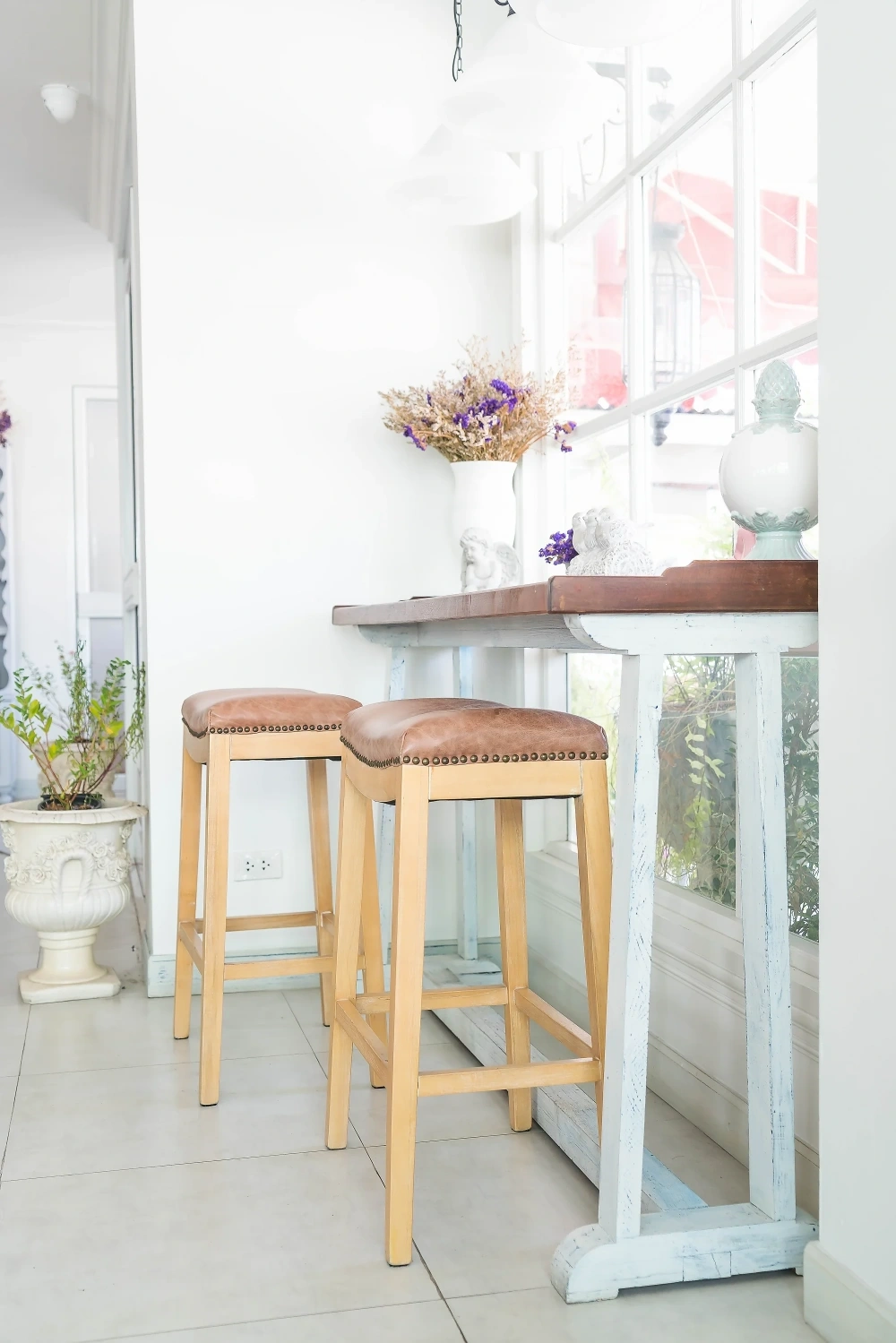
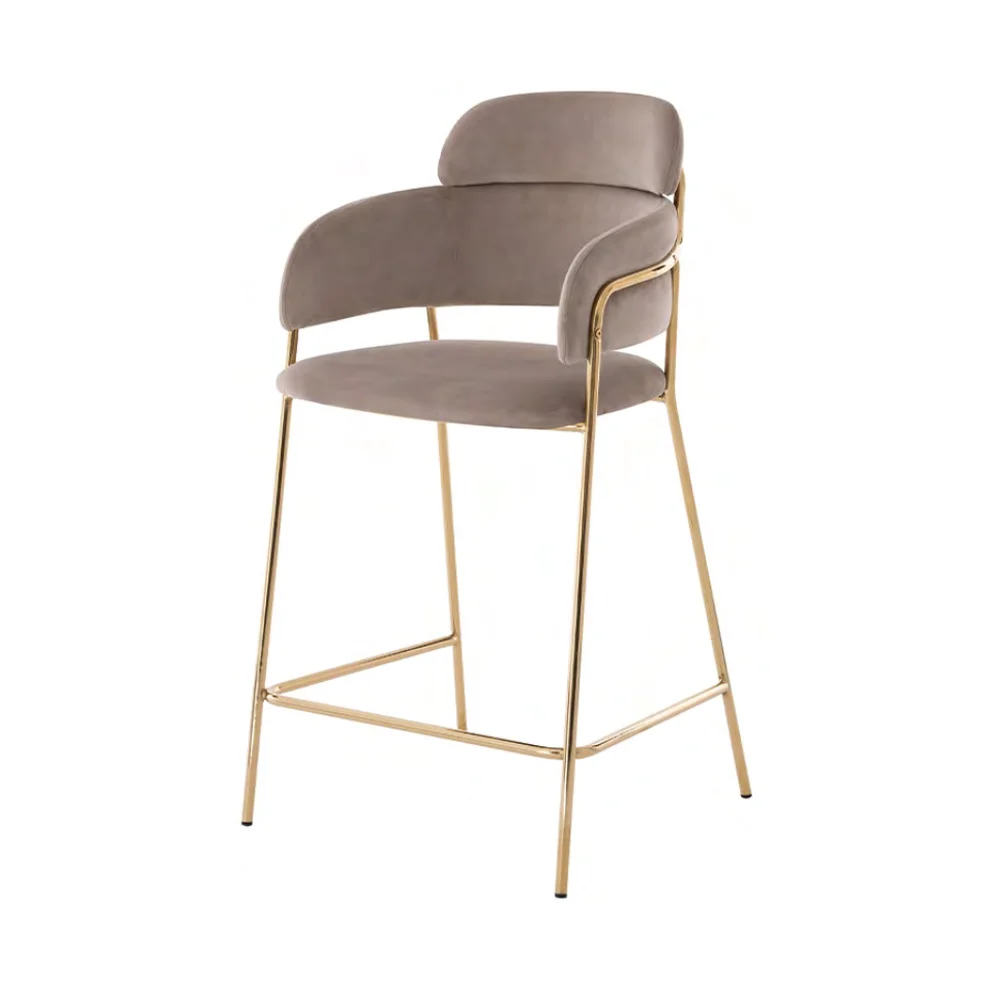
A strong factory should not simply say yes to every drawing. It should evaluate whether a design is durable, whether the materials give you real value for money, and whether the product can stay consistent from batch to batch. This is especially relevant for a product such as the HTB0035 Bar Stool that is intended for daily use and is intended to be used in a variety of environments such as kitchen islands, bar counters, home dining areas, cafés, bars, and compact commercial interiors where space is limited.
Why Should a Custom Furniture Factory Have Clear Product Focus?
A supplier with a very wide but unfocused product range may look attractive at first. But problems will arise when the factory does not have insight in the users of the end user. In pictures the products may look fine but in use they can feel completely wrong. For living room and dining room furniture minor details are crucial to experience a product as reliable. Like seat height and leg angle, surface finish, packaging and matching with other articles in a room.
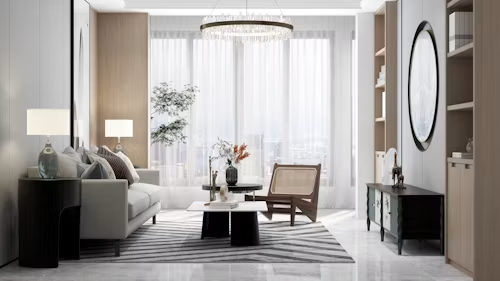
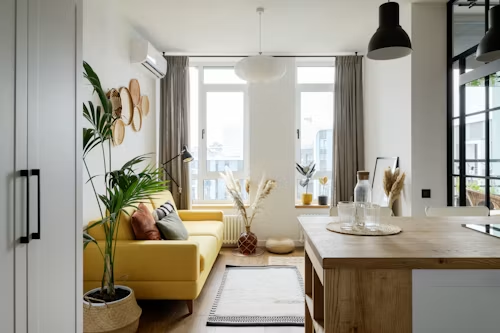
A custom furniture factory with strong category focus can make better judgments during product development. From their product line for living room and dining room furniture collections: Hometree dining tables, Hometree dining chairs, armchairs, bar stools, coffee and side tables, cabinets, consoles and TV stands, you can clearly see how their focus to specific products can lead to a well-coordinated collection and they don’t have to scour from different suppliers for random furniture pieces.
Match the Product to the Right Use Scenario
Prior to confirming a product, ask where it will be used. A home kitchen island application versus a café counter or commercial bar application for a bar stool is significantly different in terms of usage. A public use product needs a stiffer frame, easier clean up, and heavier packaging. It will be moved around frequently and therefore subject to different wear.
HTB0035 is another great product to talk about during this stage. As a bar stool, it can service dining environments and provide seating for buyers that are looking for compact, functional seating that can be used to complement many room settings. We can suggest this product to buyers who are looking to add counter height seating to their current line of furniture that is typically used for dining and would like to offer a bar stool instead of a chair.
Build a Collection Instead of One Isolated Product
One item for sale is fine, but a group of items that have been grouped up to form a coordinated collection will get more promotion. i.e. A person can more easily purchase to fill a room when he has found a nice dining chair if he can also find a matching dining table, as well as some matching side tables and bar stools.This gives retailers and project buyers more room to increase order value.
That is why HTB0035 should not be presented as only one bar stool. This item can be placed next to dining tables, dining chairs, coffee tables and cabinets, enabling customers to create the full dining and living room offer. This makes the product more useful for wholesalers, e-commerce sellers, and project buyers.
How Does Design and Prototyping Ability Reduce Order Risk?
The design stage is where many furniture projects become either efficient or expensive. A good drawing does not automatically equal a good end product. In the factory, in addition to checking the drawings for safety, suitable materials and the possibility of mass production, more attention is paid to the structure.
The same rules can be applied to the evaluation of custom made furniture by a factory. It is very important to assess the appearance of the product, ergonomics, the structure of it, the main components, color, packaging and last but not least the production feasibility of it. A professional design and prototyping process helps you identify errors before they turn into huge losses due to large orders.
Turn a Product Idea into a Real Sample
A sample is not only a visual reference. You use this to check for factors such as seat comfort, seat height, balance of legs, edge protection, quality of materials used and finish of assembly. For a product such as the HTB0035 bar stool shown below, the sample will allow you to test the stability of the stool, test the usability of the footrest, and check the seat height against typical height for a counter or bar.
This is where factory experience becomes useful. Instead of simply producing what appears in a picture, the team should help you refine details that affect daily use. That may include adjusting the frame, improving the sitting angle, changing the finish, or reducing package volume without weakening protection.
Test Market Fit Before Scaling Up
A prototype also helps you test whether the product matches your market position. If your target buyers prefer modern, compact, easy-to-place furniture, HTB0035 can be presented as a practical bar stool option for smaller interiors and commercial spaces. If your market prefers warmer dining settings, the product can be paired with tables and chairs that share a similar visual tone.
This step helps you avoid ordering too much too early. You can review the sample, collect buyer feedback, adjust details, and then prepare for larger production with better confidence.
What Materials Should You Check Before Production?
Material choice affects price, comfort, durability, cleaning, and long-term customer satisfaction. For furniture buyers, this is one of the most important checks before placing an order. A good-looking product can still fail if the frame is weak, the seat material wears too fast, or the surface finish cannot handle daily use.
A reliable material control process should cover common furniture materials such as metal, wood, MDF, glass, leather, PU, fabric, velvet, foam, and eco-friendly plastic options. The goal is not to choose the most expensive material every time. The goal is to choose the material that fits the product, market, and use frequency.
Choose Materials Based on Daily Use
For HTB0035, the most important material questions are simple. Is the frame stable enough for frequent sitting? Is the seat easy to maintain? Does the surface finish match dining or bar environments? Can the product stay visually consistent after repeated production?
If the stool is used in cafés or commercial spaces, the buyer may care more about durability, cleaning, and packaging protection. If it is sold for home use, comfort and style may carry more weight. A good factory should help you balance these needs instead of pushing only one material option.
Keep Color and Texture Consistent Across Batches
Repeat orders are where many furniture buyers notice hidden quality gaps. One batch may look slightly different from the next. A small color shift, fabric difference, or finish inconsistency can cause complaints when products are displayed together.
For bar stools, dining chairs, and tables, batch consistency matters because buyers often sell them as part of a room set. If HTB0035 is used in a larger collection, its color, finish, and structure should remain stable across repeat production. This protects your product image and reduces after-sales pressure.
Why Does Mass Production Capability Matter?
A good sample is only the beginning. The real test of a custom furniture factory comes when it must produce the same item repeatedly, on schedule, and with stable quality. This is where buyers should look beyond photos and ask about production planning, department coordination, inspection steps, and packaging standards.
For products like HTB0035, production may involve frame processing, seat making, finishing, assembly, carton planning, and shipment preparation. If these steps are not well managed, delays and inconsistencies can affect your sales plan.
Make Production Stable from the First Batch
You should ask how the factory prepares materials, controls dimensions, and manages different production departments. Stable production is especially important when the same product must be supplied to retailers, online sellers, or project buyers.
A clear workflow helps reduce confusion. The sample should be broken down into production parts, and each department should follow the same approved standard. This keeps the final product closer to the confirmed sample.
Plan for Repeat Orders Early
If a product sells well, you may need to reorder quickly. This is why scalability matters. A factory should be able to support both trial orders and larger repeat orders without losing control of quality.
HTB0035 is a practical product for this kind of planning because bar stools are often purchased in sets. A buyer may start with one model and later expand into different colors, finishes, or related dining furniture. Early planning makes that growth easier.
How Should Quality Inspection Protect Your Order?
Before you work with any custom furniture factory, check whether inspection covers more than appearance. Furniture must look good, but it also needs correct dimensions, stable structure, clean surfaces, matching colors, secure fittings, and protective packaging.
A professional product inspection process should check size, warpage, color, hardness, surface treatment, fitting, cleanliness, weight, hole position, and packaging. These checks are useful because many customer complaints come from small details that were easy to miss before shipment.
Inspect Structure, Finish, and Packaging Together
For HTB0035, inspection should focus on seat stability, leg balance, footrest firmness, finish quality, assembly accuracy, and carton protection. A bar stool is often moved, pulled, and used in high-frequency spaces, so weak structure or poor packaging can quickly become a real cost.
Packaging should not be treated as an afterthought. It protects the product during export shipping, warehouse handling, and final delivery. Strong packaging reduces scratches, dents, deformation, and replacement costs.
Ask Questions Before You Place the Order
Good buyers ask detailed questions early. You can review production standards, inspection rules, MOQ, lead time, and packaging before confirming the order. A useful furniture FAQ resource can also help you prepare common questions before speaking with the supplier.
This is not about making the process complicated. It is about reducing uncertainty before money, time, and materials are committed.
How Can HTB0035 Support Your Furniture Line?
HTB0035 is worth recommending when you want a bar stool that can support dining-related settings and commercial seating needs. It can be used as an add-on product for buyers already sourcing dining chairs, dining tables, and living room furniture. It also helps you serve customers who need seating for kitchen counters, café counters, bar areas, and smaller social spaces.
You can view HTB0035 as a bar stool product when planning a custom seating range. Its value is not only in the single product. Its value is in how it can fit into a wider product plan that includes dining chairs, tables, side tables, cabinets, and other home furniture categories.
Recommend It for Compact and Social Spaces
Many buyers now look for furniture that saves space without feeling cheap. Bar stools are useful because they work in kitchens, apartments, cafés, and informal meeting areas. A well-chosen stool can make a small space more functional.
HTB0035 can be recommended as a practical choice for buyers who want to add flexible seating to their catalog. It helps broaden the offer without moving away from dining and living room furniture.
Pair It with Related Furniture Categories
A bar stool becomes more attractive when it is part of a larger collection. You can pair it with dining tables, coffee tables, cabinets, or side tables to create a more complete room concept. This gives your customers more ways to buy and gives you more ways to sell.
A custom furniture factory should give you more than production capacity. It should help you choose products, refine details, control quality, and build repeatable supply. For custom bar stools, dining furniture, or living room collections, you can review more service details and contact the team to discuss your next order.
FAQ
Q1: What makes a custom furniture factory reliable for overseas buyers?
A1: A reliable factory should manage design review, sample development, material control, mass production, inspection, packaging, and export communication in one organized process.
Q2: Why is HTB0035 suitable for dining and commercial spaces?
A2: HTB0035 is a bar stool product, so it can fit kitchen counters, cafés, bars, compact dining areas, and commercial seating projects.
Q3: What should you check before ordering custom bar stools?
A3: You should check seat height, frame stability, footrest design, material choice, surface finish, packaging strength, lead time, and repeat order consistency.
Q4: How can prototyping help reduce furniture sourcing risk?
A4: Prototyping lets you confirm appearance, structure, comfort, size, materials, and packaging before you approve larger production.
Q5: How can you prepare better questions before contacting a supplier?
A5: You can review the supplier’s product categories, material standards, inspection process, and common furniture questions before sending your inquiry.