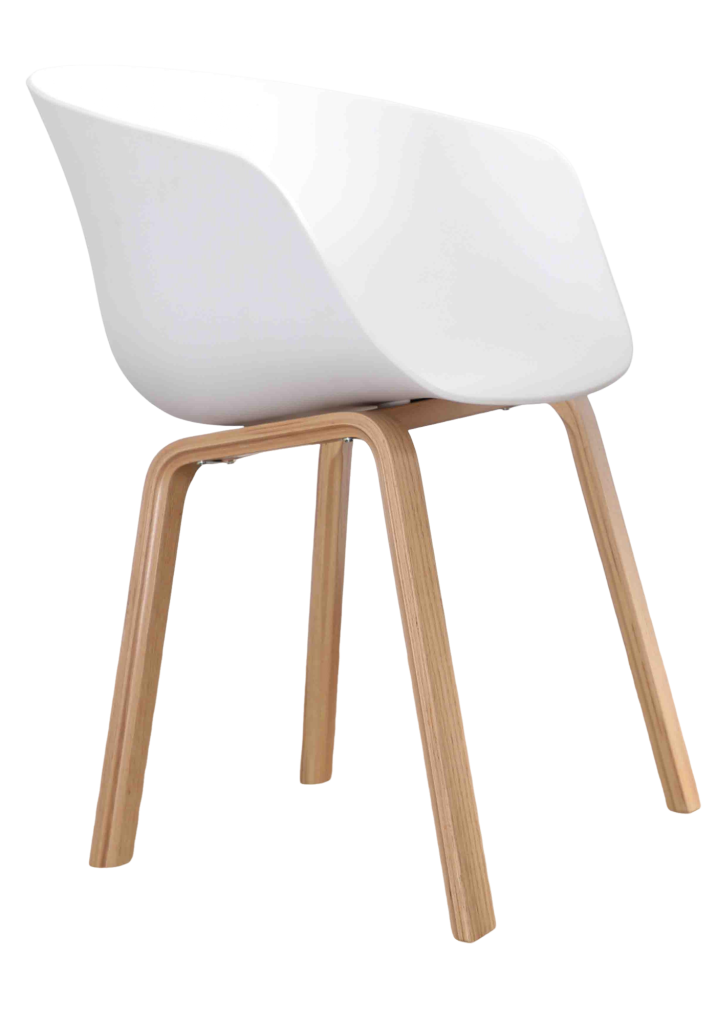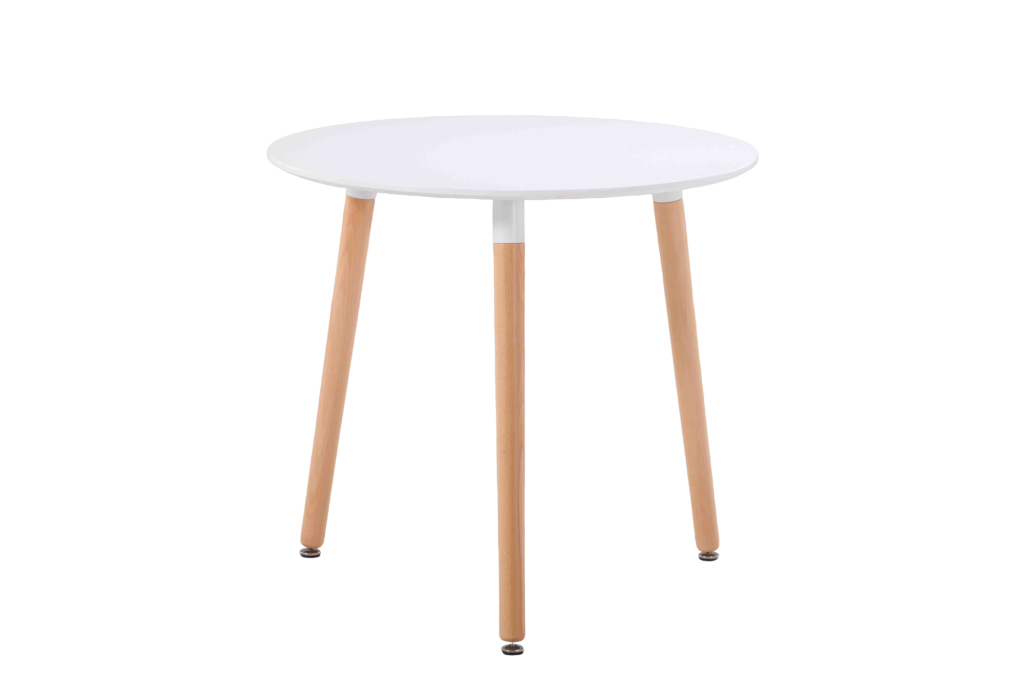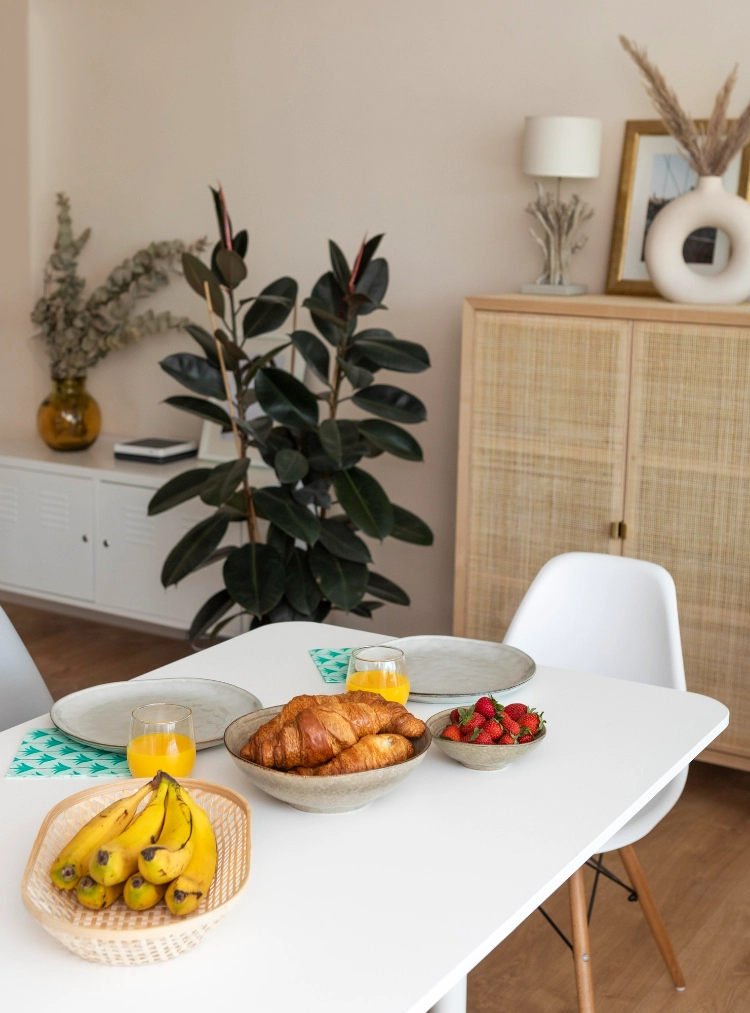

Choosing dining living room chairs is not only about finding a shape you like. In real sourcing work, the chair also has to fit the table, suit the room, match the target buyer, and still make sense after you check packing, order quantity, and production details. A chair can look good in a photo and still become a weak choice once it enters a full dining project.
Hometree works as a furniture export supply-chain service provider focused on living room and dining room furniture. Its work covers design, prototyping, mass production, and quality inspection, which is useful when a buyer needs more than a product image. A dining chair should be reviewed from proportion, comfort, structure, material, and production feasibility at the same time. When these checks happen early, the final selection is usually more stable and much easier to move into sampling and bulk order planning.
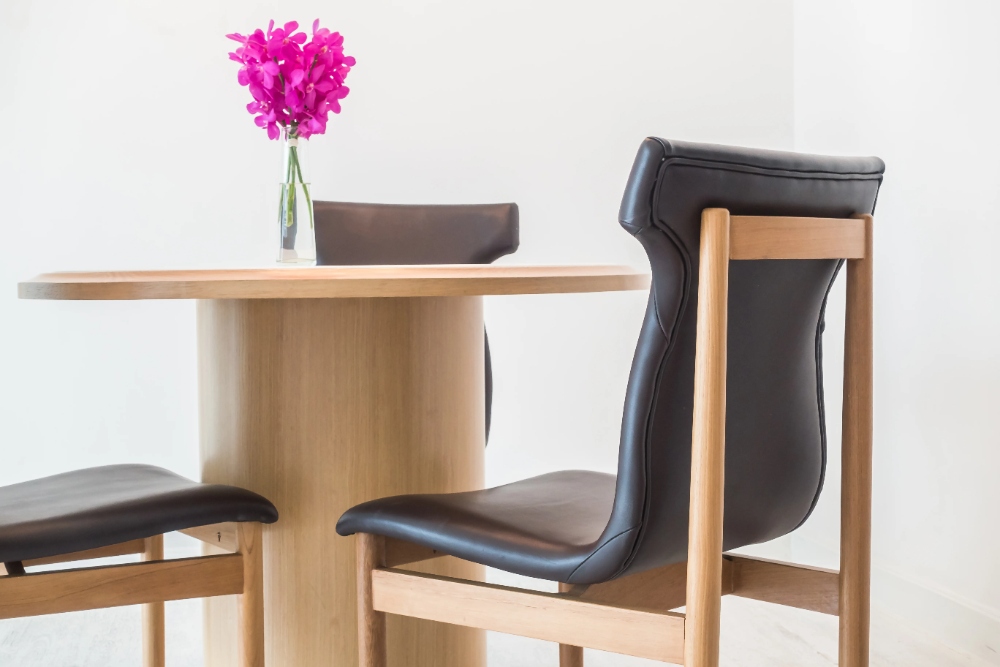
Dining chairs seem simple, but buyers often judge them too quickly. Some focus on one strong visual point, such as a curved back or a metal base, while other factors are pushed aside. This is close to what happens in many “common mistakes when buying living room furniture set” searches. People compare the look first, then notice the layout, dimensions, and day-to-day use much later.
A dining chair has to live with the table and the room around it. Seat width, depth, back height, and overall visual weight all affect whether the set feels right. If the chair is too broad, the dining area may feel crowded. If the back is too tall for the table style, the full scene can look off balance.
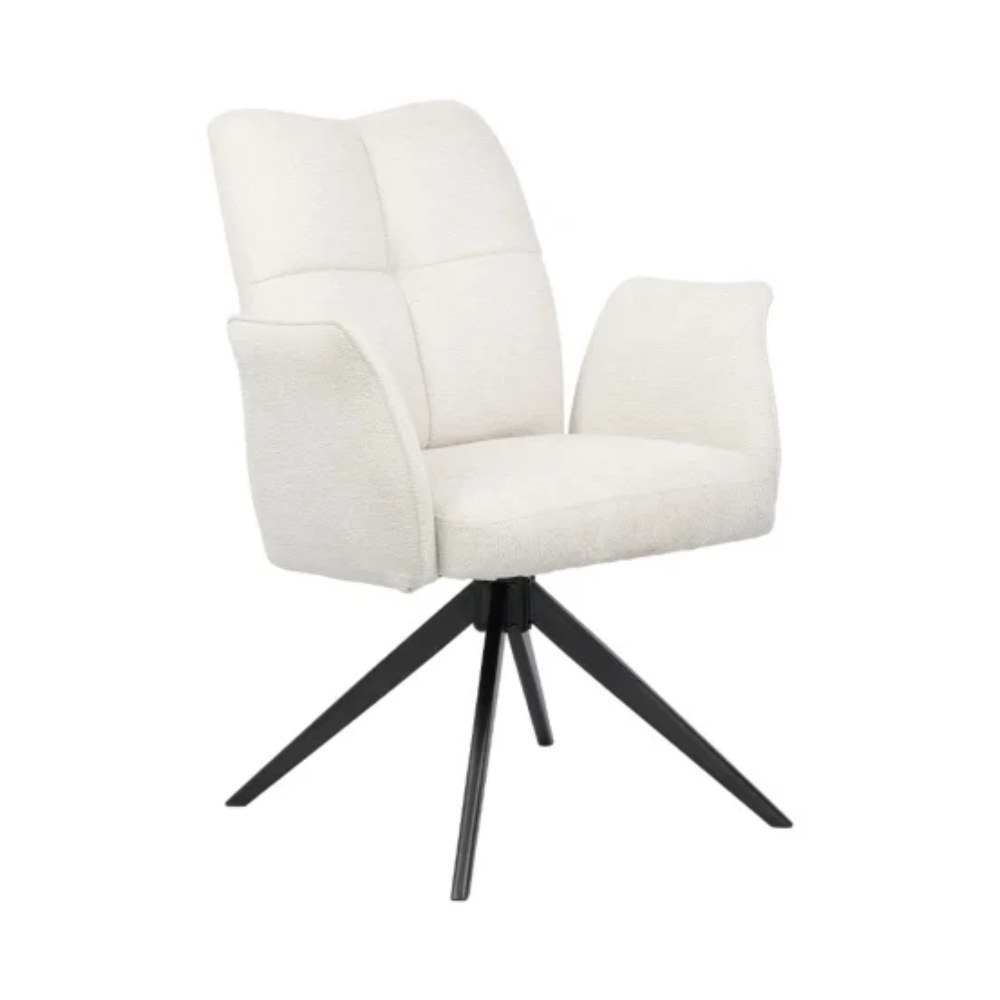
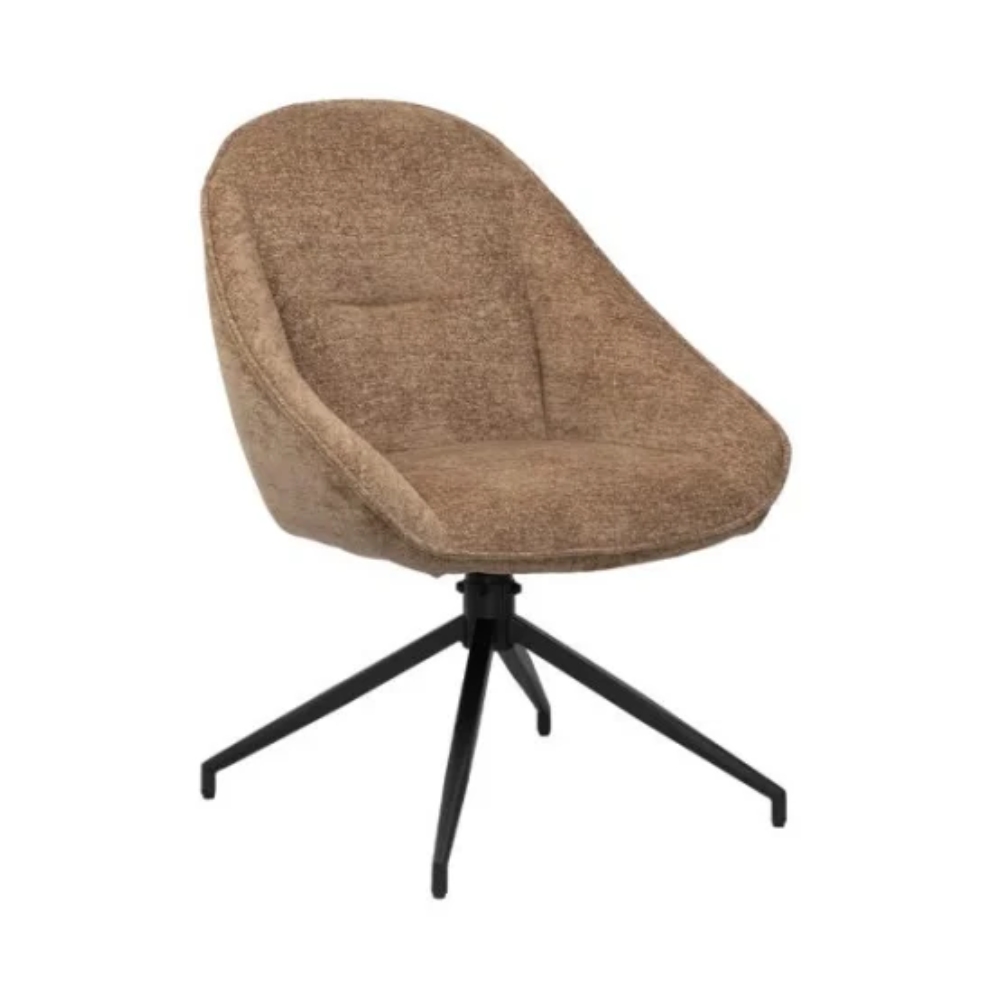
Dining chair HTC0530 has a sculpted wingback shape, tufted upholstery, and a black swivel base. It gives a fuller, more present look, so it fits well in a dining area that can carry stronger seating volume. By contrast, Dining chair HTC0528 keeps a warm tan tone and a cocoon-like outline with a slightly tighter proportion, which can work better when you want comfort without making the room feel too heavy.
A chair page can show the mood, but it does not tell the whole sourcing story. You still need to look at product size, carton arrangement, MOQ, material combination, and the type of dining space it is meant for. For more common questions about sourcing and product selection, you can also review the FAQ page. If you skip these points, you may end up comparing models that do not serve the same purpose at all.
This matters when reviewing dining living room chairs for export projects. Some styles are stronger for refined dining setups. Others suit soft modern interiors or mixed living-dining layouts. If the decision begins and ends with photos, the later revisions usually become harder.
Size is the first filter. Before discussing color or decorative details, it is worth checking whether the chair scale truly suits the room. That simple habit avoids many later problems.
A wider chair can feel more comfortable, but it also needs more breathing space. A taller back can look more formal, yet it may dominate a smaller table. This is why two chairs with a similar price level may still serve very different collections.
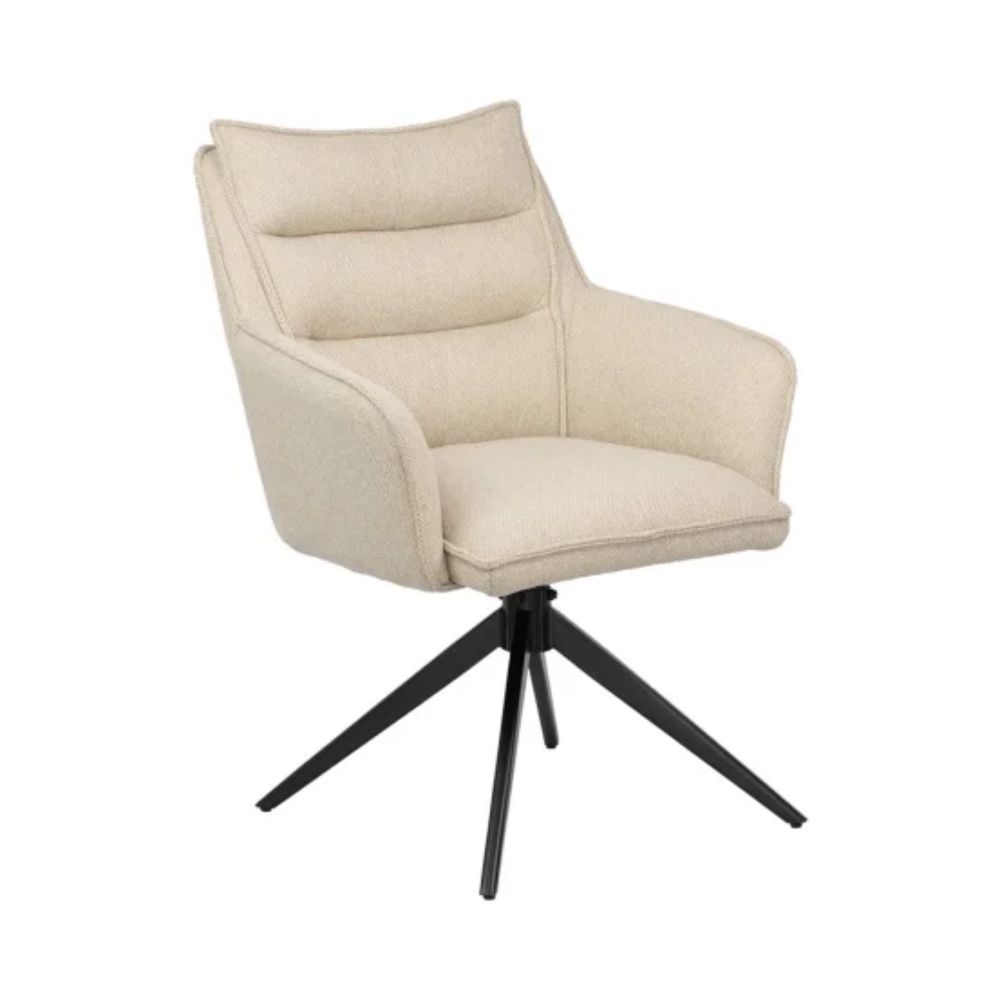
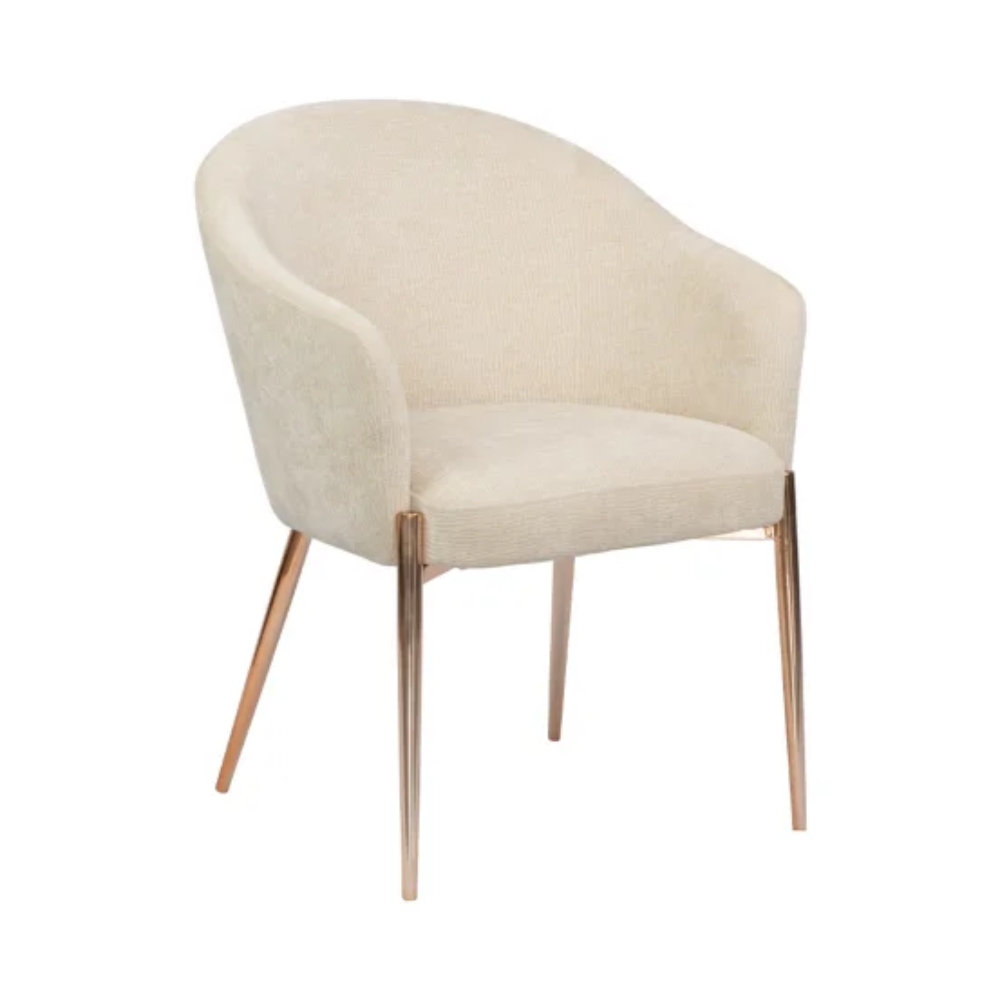
Dining chair HTC0529 measures 67 × 69 × 95 cm and carries a fuller, taller profile. It suits a room where the seating can be a stronger visual element. Dining chair HTC0551 measures 65.5 × 64 × 84.5 cm and reads as lower and more compact, with a polished look that can pair well with more elegant table settings. If you are selecting dining living room chairs for a product line, this size difference changes how each model should be positioned.
People do not only sit in dining chairs. They pull them out, turn, leave the table, and move around them every day. That movement matters. A swivel base can make the chair easier to use in a more open plan. A fixed base can look tidier in a compact or more formal layout.
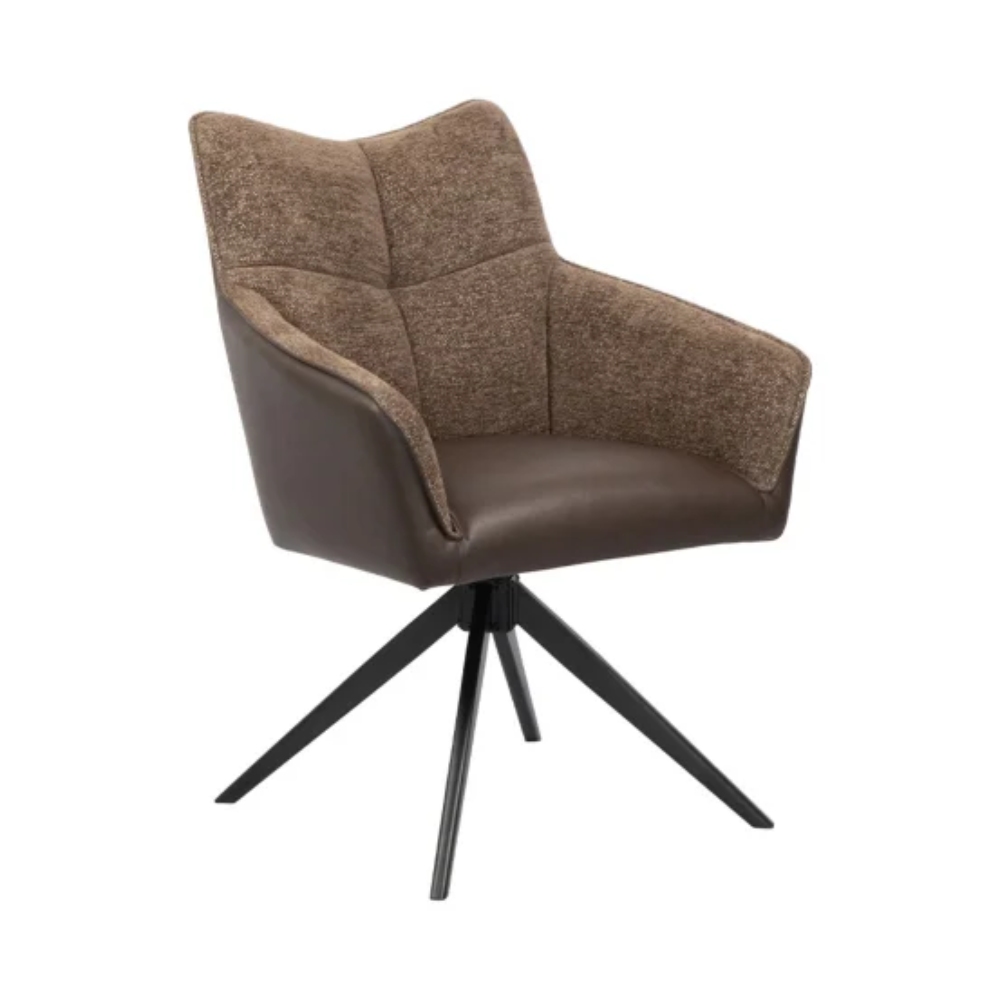
Dining chair HTC0528, Dining chair HTC0529, Dining chair HTC0527, and Dining chair HTC0530 all use swivel bases, which add convenience and a more relaxed residential feel. Dining chair HTC0551 stays with a fixed-leg structure and creates a neater, more composed impression. Neither direction is automatically better. It depends on the dining scene you are building.
Once the scale is right, material choice becomes much easier to judge. Upholstery, base finish, and surface contrast decide how the chair feels in the room and how buyers may read its value.
Fabric and metal are common in these five models, yet the overall impression changes a lot from one chair to another. Dining chair HTC0529 uses soft beige upholstery and a channel-tufted look. It feels calm and comfortable. Dining chair HTC0528 uses a tan fabric tone and curved body shape, which gives a warmer and more grounded effect. Dining chair HTC0530 uses white upholstery and a fuller wingback design, so the impression is brighter and cleaner.
For dining living room chairs that may also sit in open-plan homes, this difference is useful. The chair has to support the dining function but still feel right beside lounge furniture, sideboards, or neutral wall finishes.
Not every dining chair needs to rely on bright color or an oversized shape. Sometimes a better route is material contrast. Dining chair HTC0527 uses a warm woven-look back with a smoother seat surface and a black swivel base. The contrast is easy to read and gives the chair a stronger identity without pushing it too far.
That kind of choice is helpful when a buyer wants the line to look different from standard soft upholstered chairs. It also answers one of the quieter concerns behind searches about “common pitfalls when comparing furniture brands for a living room.” If every option looks almost the same apart from color, the final assortment may feel weak. Texture gives another way to build variation.
Many dining chair errors come from mixing attractive pieces that do not belong in the same room. A chair may be beautiful by itself, yet still feel out of place next to the dining table or the surrounding cabinets.
The easiest way to stay consistent is to decide the room tone before comparing too many chair options. Do you want soft modern, refined dining, warmer natural tones, or stronger textural contrast? Once this is clear, chair selection becomes more direct.
Dining chair HTC0551 fits a more refined dining direction with cream upholstery and rose gold legs. Dining chair HTC0529 feels softer and more neutral. Dining chair HTC0528 works well in a warm modern room. Dining chair HTC0530 suits a cleaner, brighter look. Dining chair HTC0527 offers a stronger mixed-material feel. These are not random differences. They help you place each model into a real collection strategy.
Metal base color may look like a small detail, but it changes the final mood. Rose gold adds warmth and decorative shine. Black grounds the chair and gives a sharper modern line. If the room includes black table legs, dark cabinet frames, or strong contrast surfaces, the black swivel bases on HTC0528, HTC0529, HTC0527, and HTC0530 can help tie the scene together. If the setting is lighter and more polished, HTC0551 offers a different visual route.
This is where many buyers make avoidable mistakes. They like the fabric, they like the chair shape, they like the table separately, but the set does not feel connected once placed together. Dining living room chairs should be chosen as part of a room system, not as isolated pieces.
After fit, material, and style are checked, the products become easier to sort. Each one has a clear use case, which is more helpful than calling every model “versatile.”
Dining chair HTC0528 and Dining chair HTC0529 are good choices when the room should feel soft, comfortable, and current. HTC0528 brings a warm tan tone and a curved shell. HTC0529 has a beige look with stronger vertical tufting and a slightly taller profile. Both work well when you want the dining zone to feel welcoming instead of rigid.
Dining chair HTC0551 and Dining chair HTC0530 suit a more refined dining direction, but they do it differently. HTC0551 gives a lighter luxury impression through its cream body and rose gold legs. HTC0530 feels more modern and fuller in shape, with white upholstery and a black swivel base. One leans decorative. The other leans clean and bold.
Dining chair HTC0527 is useful when the chair line should show more material layering. Its back-and-seat contrast makes it easier to build a collection with character while staying inside a comfortable modern dining direction. That can help a buyer avoid a range that feels too flat or too close to what everyone else is already selling.
The right chair choice is rarely about one feature. It is about whether the chair makes sense as part of the full dining environment. You need to check scale first, then comfort, then material and style. After that, you still need to look at production details such as MOQ, packing, and quality control support.
These five models show how different dining living room chairs can serve different room plans. Some work best in warm modern homes. Some fit more polished interiors. Some add texture without relying on loud colors. If you keep that logic clear, your selection process becomes faster and your final product line becomes easier to defend in front of clients. If you still want to clarify common order or cooperation questions first, the FAQ page is a helpful place to check. For buyers who need fuller project support, design review, sampling, mass production, inspection, service, and contact can all be handled through one coordinated route.
Q1: What should you check first when selecting dining chairs?
A1: Start with size. The chair should fit the table height, room width, and movement space before you focus on color or decoration.
Q2: Are swivel dining chairs better for dining living room chairs?
A2: They can be very useful in open dining areas or mixed living-dining layouts, but fixed chairs may suit tighter or more formal spaces better.
Q3: Which chair works well for a warm modern dining room?
A3: Dining chair HTC0528 and Dining chair HTC0529 are both strong choices because they combine soft upholstery, curved forms, and a welcoming room feel.
Q4: Which model is better for a more polished dining look?
A4: Dining chair HTC0551 fits a lighter refined style, while Dining chair HTC0530 works well when you want a cleaner and more sculpted modern look.
Q5: Why should buyers compare more than appearance when reviewing dining living room chairs?
A5: Because chair size, material, packing, order quantity, comfort, and production support all affect whether the final choice works in a real project.