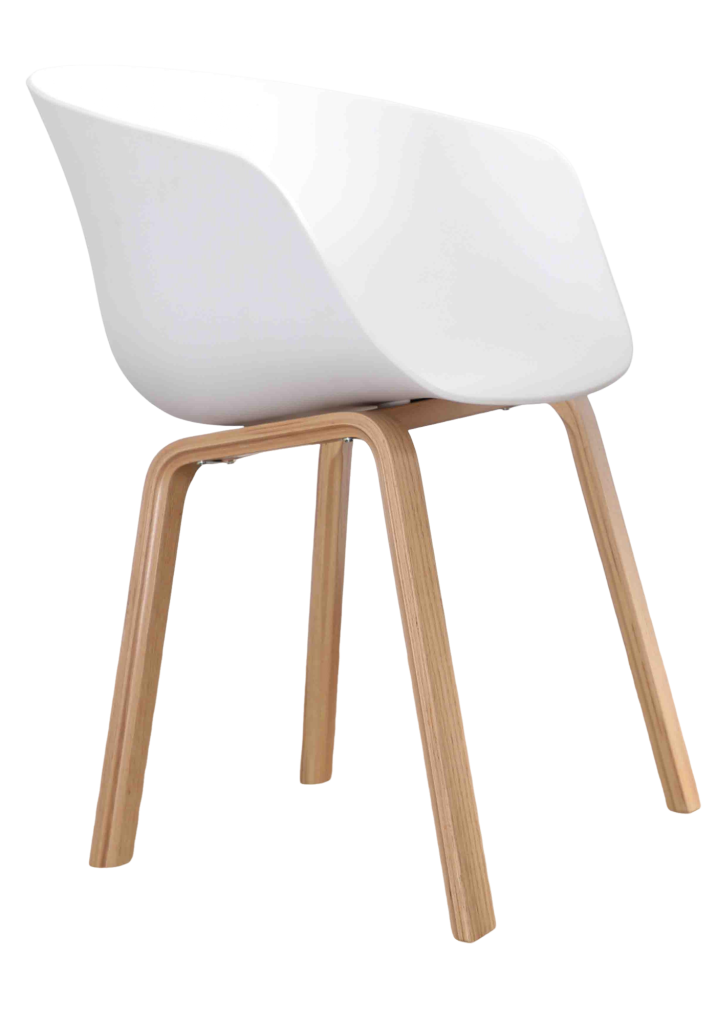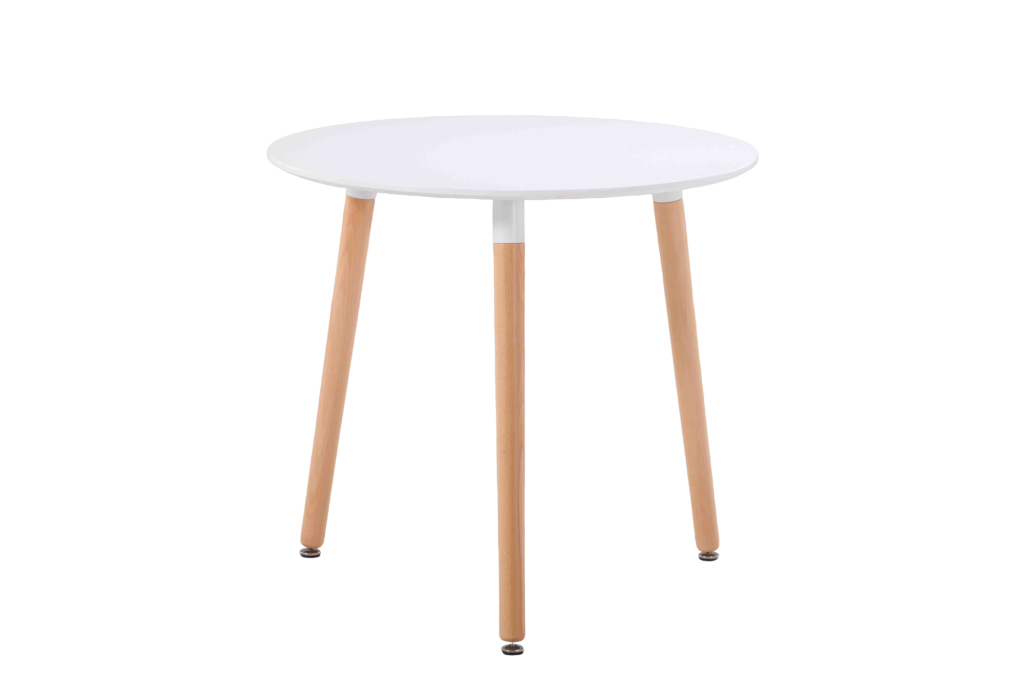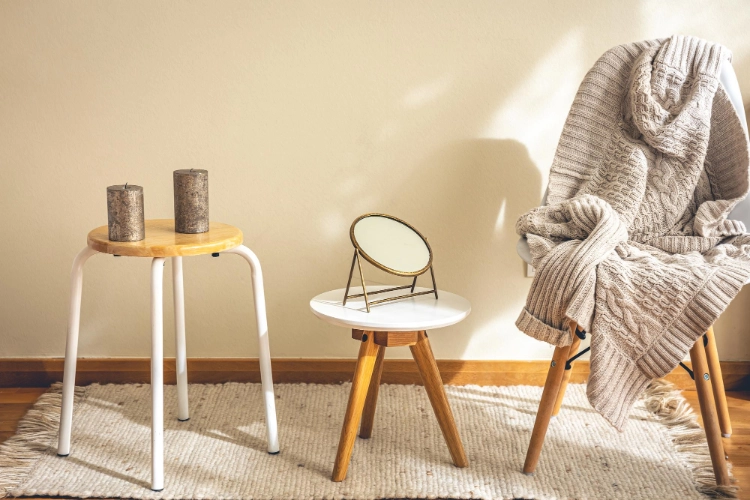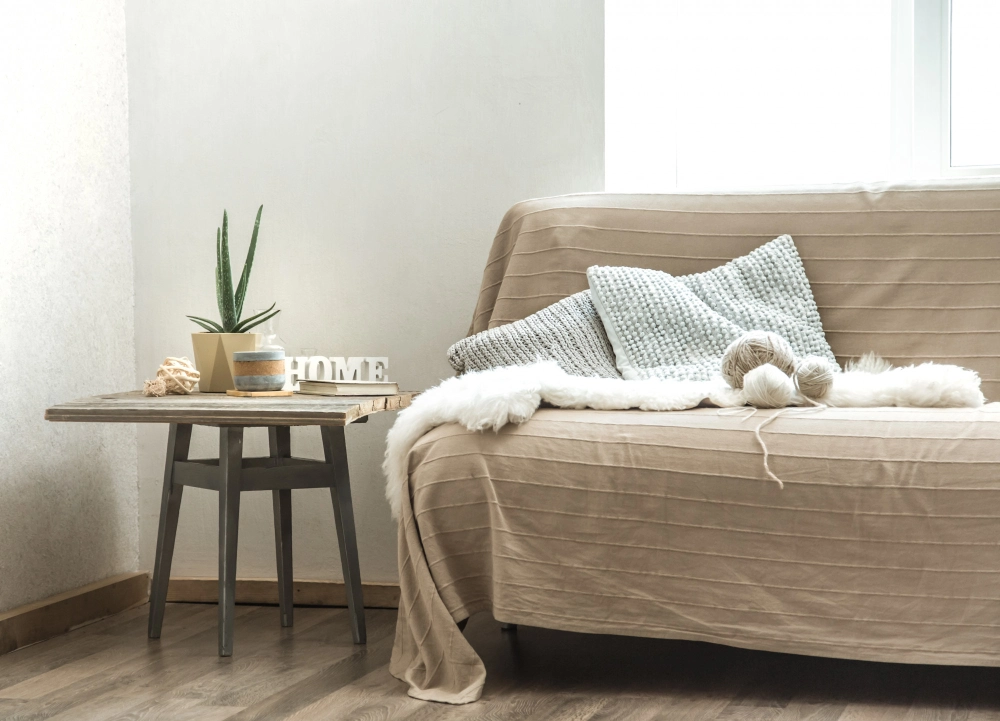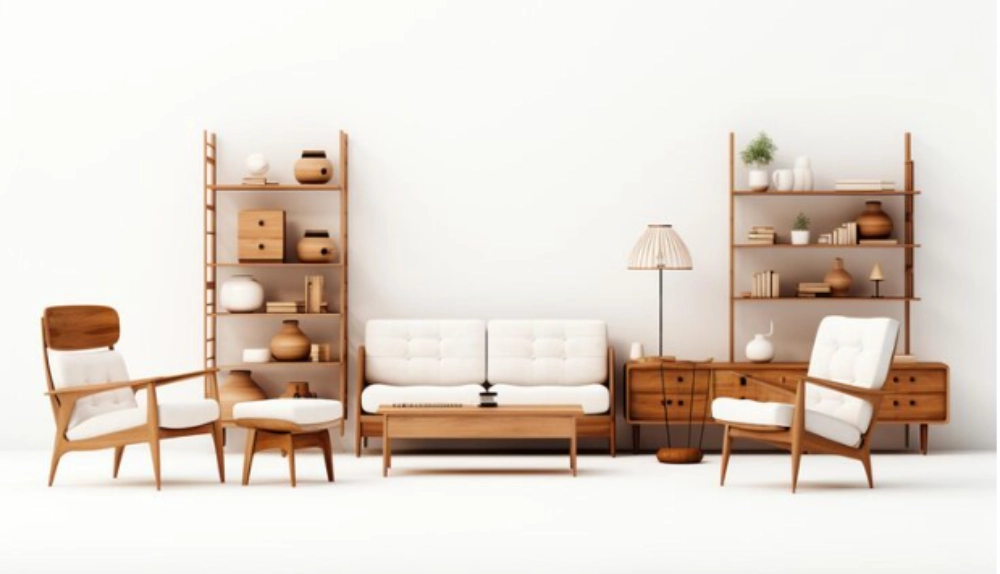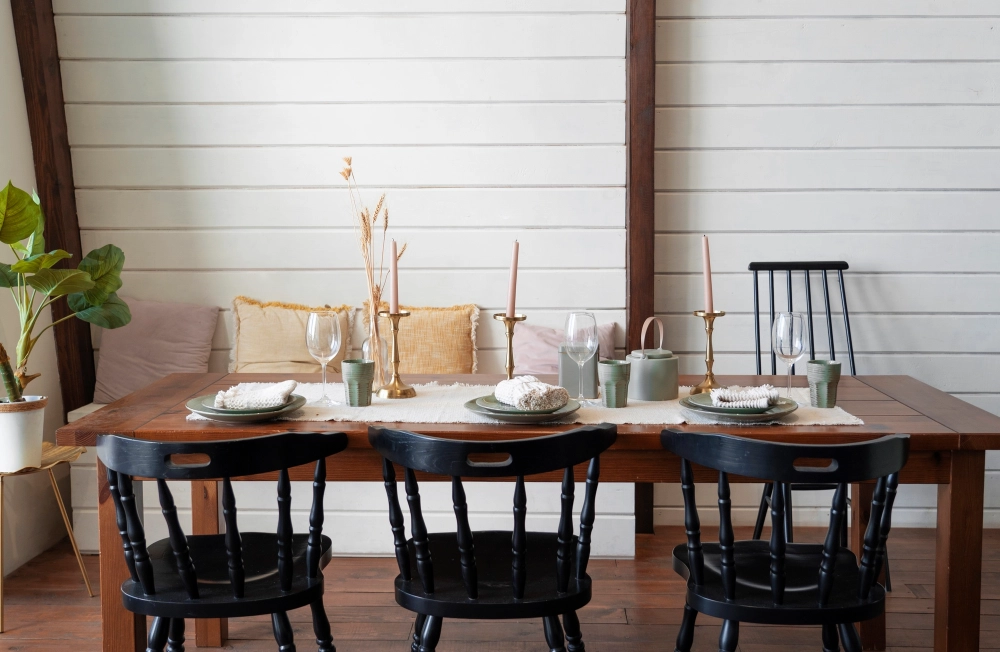

When buying furniture the first attribute we consider is often the shape, color or texture of the surface. This is natural as no one wants to purchase items of furniture that do not appear to ‘fit’ within a particular environment. However, as items of furniture are used over a period of time the true value of the better quality furniture is revealed. For example, the legs of the chair or table remain firm or they begin to wobble. The covering to the chair or sofa remains firm to the touch or it begins to look tired. The surface of the table remains clean or it begins to show marks. The quality of the furniture materials used and the standard of the furniture craftsmanship are key to the true value of the better quality pieces of furniture.
Hometree is a furniture manufacturer with many years of experience in producing high quality living room furniture & dining room furniture. The company has a very competent team of designers, prototypers, factory workers, quality control staff and sales people. That means that there is a lot more to producing great furniture than just making a nice sample. The work also includes checking the internal structure, selection of appropriate materials, checking the production line for any potential flaws and shipping. So when looking for durable furniture online, long lasting furniture online or stylish furniture online you want a manufacturer not just a catalog.
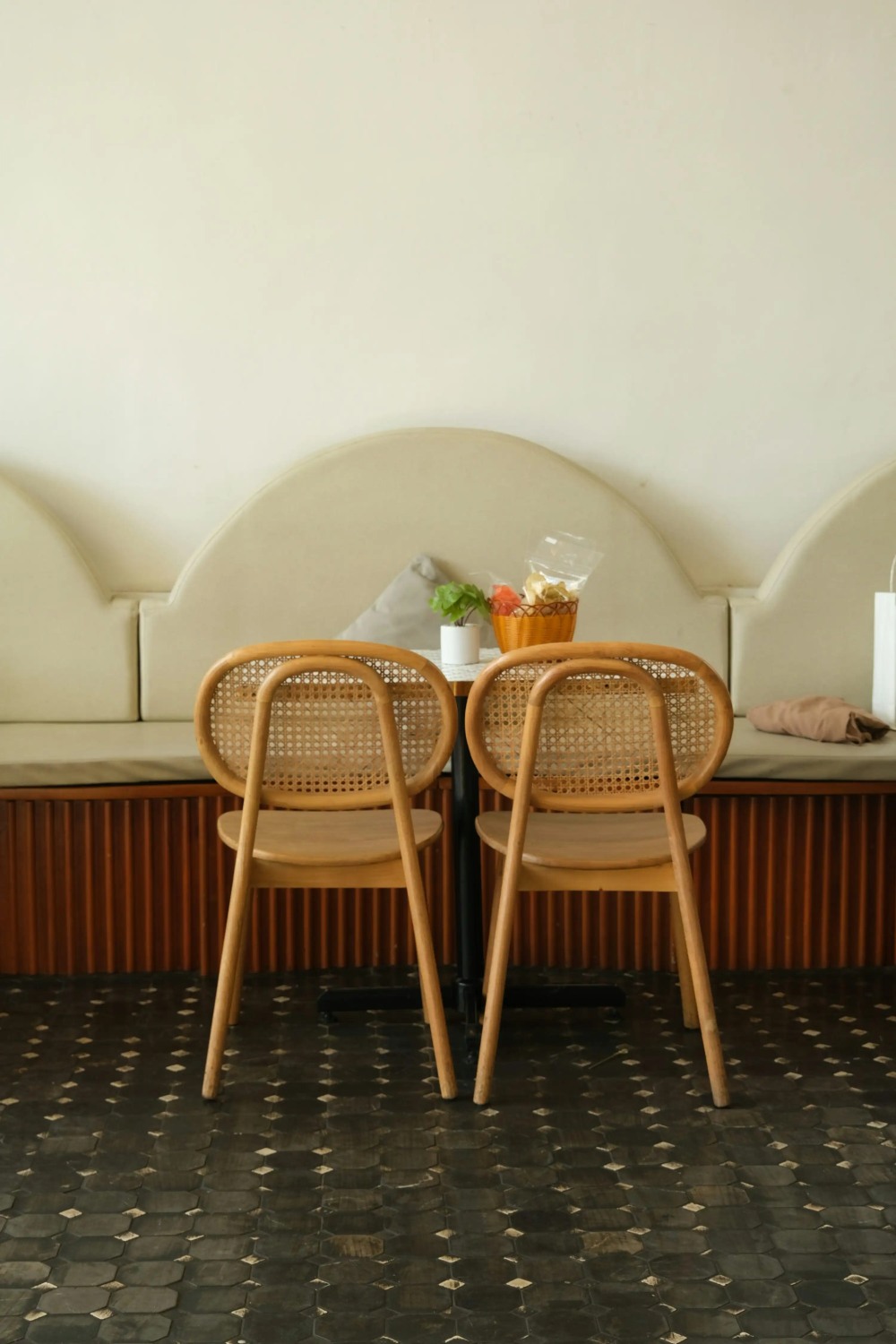
A good piece should look right, feel right, and stay useful after daily use. That is the real point of durable stylish furniture.
Choosing the most durable furniture that is equally beautiful and expertly handcrafted can be quite the challenge. So how does one make this choice? Well, first of all, the answer starts with the furniture materials. It really doesn’t matter how pretty the surface of a chair, table, cabinet or sofa is – once you penetrate to the insides, all that matters is the furniture materials used there. Beautiful designs can’t protect you from flimsy interior structures, from bad foam, from thin fabrics or from unstable legs for long.
When choosing the materials to use in your furniture, more consideration should be given to how you are going to use the furniture than to how it is going to look. This is especially true for dining chairs, which require firm support as well as good seating. The fabric chosen for the chairs must also be suitable for frequent use. Coffee tables, on the other hand, need a surface that is resistant to scratches and to stains. The quality of the living room furniture will also depend on the structure, the surface finish, the detail of the storage, and on how easy the furniture is to clean.
For example, metal frames and legs are used in many modern designs. They are strong enough to provide stable support and at the same time are minimalist enough to not detract from the rest of the design and be cleaned up quickly. Processed MDF is a very common material for making dining tables, table tops and even cabinets. They can be made to look very high end. In addition to these solid materials, tempered glass can be used to add a very light and airy feel to a room. A variety of materials such as leather, PU, velvet and many colored fabrics can be used to add a very comfortable seat to a dining chair. It is worth checking out more information on the material before you make a purchase because that is where many people go wrong when buying dining chairs.
Some customers only look at the surface of furniture. They are interested in the design, style, color and look of the pieces at the start but not after. A chair with soft lines and cushions may look great at first but fail after a short while because the base is not strong enough. A dining table can look very heavy, rich and quality made but perform very poorly because of a bad surface treatment. Quality furniture is a combination of frame, fabric, foam, hardware, coating and assembly.
In order to judge furniture that offers a combination of style and durability simple. It should not need any explanation. You should be able to see the frame, feel the cover, look at the legs and from all this you have to be able to tell how the chair is going to work in your dining room. Not just from a clean product shot.
Good materials still need good work. Furniture craftsmanship is what turns raw materials into a product that feels complete. Cutting, sewing, welding, fitting, polishing, surface treatment, and packaging all affect the final result.
Many common mistakes buying dining room chairs happen because buyers do not check the hidden details. The seat looks fine, but the stitching is loose. The legs look modern, but the welding is rough. The chair feels soft at first, but the foam loses support too soon.
A serious factory checks these points before mass production. The design should move from drawing to sample, then from sample to batch production without losing key details. The factory should review appearance, materials, structure, components, color, packaging, and comfort before final production. That is also why design-development work matters. It helps stop a good-looking design from becoming a weak product.
If you compare furniture brands, do not only compare price and style. Ask how they inspect products. Good inspection checks size, color consistency, surface marks, fitting parts, hole position, cleanness, weight, and packaging. These small checks reduce later complaints.
The better way is to look for clear product-inspection standards. This matters even more when you buy in bulk. A sample can look good, but bulk orders need consistency. That is where a real custom furniture factory has more value.
First time buying dining chairs can feel easy. You find a table, pick four or six chairs that match, and place the order. Then the problems come later. The chair may be too low, too deep, too hard, too wide, or hard to clean. These are common mistakes buying dining room chairs first time.
What are some common mistakes to avoid when purchasing dining room chairs for the first time? The biggest one is buying from a photo alone. A dining chair is not wall decor. You sit on it, pull it out, push it back, clean around it, and use it every day.
Common mistakes buying dining room chairs new homeowners often make include ignoring back support, leg stability, seat height, seat depth, fabric texture, and room size. If the chair looks good but feels awkward at the table, it will not be used happily for long.
This is where Dining Chair HTC0007 is worth looking at. It uses fabric and metal, with a soft ribbed corduroy texture and a rounded back. The black metal legs give the chair a modern base, while the curved seat shape adds a warmer feel. It can fit a dining nook, home office, entryway, or small sitting corner.
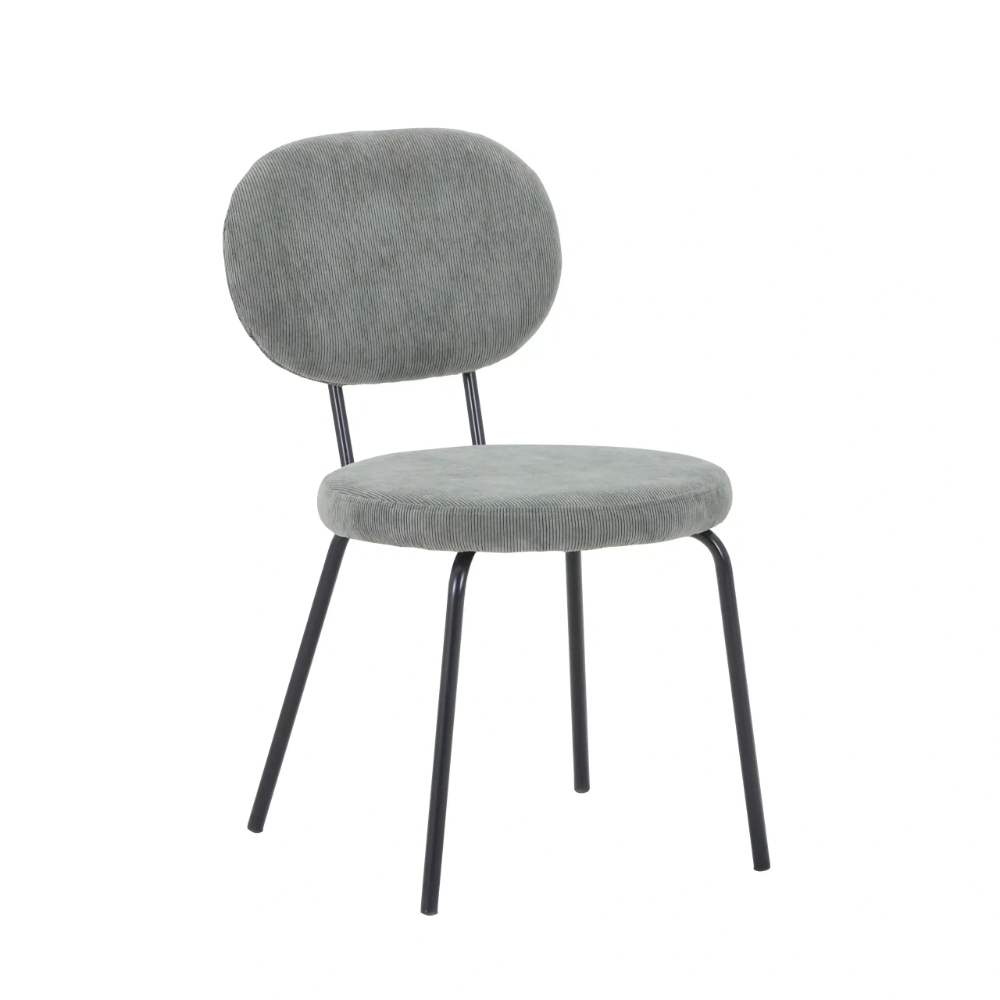
This chair works well for buyers who want durable stylish furniture without making the room feel cold. The ribbed fabric gives texture, the rounded back adds comfort, and the metal legs support daily use. It is a good example of furniture that balances style and durability.
How to choose durable stylish furniture tips should not be too complicated. You do not need to buy the heaviest product. You do not need the most expensive fabric either. You need the right product for the right use.
A dining chair should match your table height and daily habits. A living room chair should match how often people sit there, how easy it is to clean, and how much space you have. A coffee table should fit your sofa height and daily storage habits.
Common mistakes when buying living room furniture set often come from copying a full showroom look. The sofa, chair, table, and cabinet may all look nice together in a display, but your own room may need a different scale. If the room is small, oversized pieces make daily movement harder. If the room is busy, too many textures can make it feel messy.
Furniture that balances style and durability should not depend only on a short trend. Neutral colors, steady frames, practical surfaces, and clear shapes usually last longer in real homes and commercial spaces. A soft fabric chair with black metal legs, for example, can fit both modern and warm interiors.
If you are checking how to choose furniture that balances style and durability tips, look for three things first: whether the material suits the use, whether the structure feels stable, and whether the design still makes sense after one year. That simple check can save money and reduce regret.
For small businesses, project buyers, and online sellers, selecting a custom furniture factory is not only about price. It is about whether the factory can repeat quality, control materials, adjust details, and give steady communication.
What factors should I consider when selecting a custom furniture factory? Start with sample ability, material control, production capacity, inspection process, packaging, and service response. A factory that can only quote fast may not be the best choice. A factory that can explain structure, material, and production limits is usually safer.
This is important if you need a furniture factory for small businesses. Small and medium buyers often need flexible order support, clear product details, and stable supply. The better factory should help you check whether the product suits your market, not only send a price list.
How to buy custom furniture? First confirm your use scene, style, material, size, budget, order quantity, and delivery needs. Then check the sample and packaging plan before mass production. A good made-to-order process helps reduce color gaps, weak structure, wrong sizes, and after-sales trouble.
The factory’s advantage is stronger when it has design, sampling, production, inspection, and service teams working together. You can also check the FAQ resource when you need basic questions about materials, customization, or delivery before starting a project.
When you compare furniture brands, it is easy to focus on the product photo. The photo may show style, but it rarely shows pipe thickness, foam quality, fabric strength, or inspection standards. That is why many buyers ask, what are the common pitfalls when comparing furniture brands for a living room?
Common pitfalls when comparing furniture brands for a living room include treating all similar-looking products as the same. Two chairs may look close in color and shape, but one may have stronger legs, better fabric, cleaner stitching, and better packaging. The other may only be cheaper.
This is also true for living room furniture quality. A low price can be useful, but it should not come from weak material, poor finishing, or unstable structure. When you compare furniture brands, ask what the product is made from, how it is inspected, how it is packed, and how the supplier handles repeat orders.
How much does the manufacturer or dealer really matter for furniture reliability? It matters a lot. A dealer may offer many styles, but a factory with product development and quality control can often give clearer answers about materials, structure, and production changes.
For bulk buyers, this matters even more. You need stable batches, fewer surprises, and faster replies when small issues appear. A factory that has joined international exhibitions, works with different markets, and visits clients can usually read buyer needs better. You can also use the FAQ resource to check common concerns before you decide what to ask next.
Better furniture materials and better furniture craftsmanship work together. One cannot replace the other. Strong material without good production can still fail. Good design with weak material will not stay useful for long.
If you want durable furniture, stylish furniture, and long lasting furniture, look at the whole product. Check the frame, surface, fabric, comfort, inspection process, packaging, and supplier background. Avoid quick dining chair buying mistakes, especially when first time buying dining chairs. For a warm and practical option, Dining Chair HTC0007 is a clear choice because it combines ribbed fabric texture, a rounded back, and metal-leg support in one easy-to-use chair.
For dining chairs, living room furniture, or custom furniture projects, you can use the factory’s product service and contact support to discuss materials, samples, production details, and order needs before purchase.
Q1: How Do I Choose Durable Furniture That Combines Style and Craftsmanship?
A1: Choose furniture with suitable materials, stable structure, clean finishing, comfortable support, and clear inspection standards.
Q2: What Are Common Mistakes Buying Dining Room Chairs First Time?
A2: Many buyers choose chairs only by color or product photo, then later find problems with seat height, back support, leg stability, or fabric cleaning.
Q3: How Do I Choose Furniture That Balances Style and Durability?
A3: Check whether the material suits daily use, whether the structure feels stable, and whether the style can still fit your room after long-term use.
Q4: What Factors Should I Consider When Selecting a Custom Furniture Factory?
A4: You should check sample development, material control, production ability, quality inspection, packaging, delivery time, and after-sales response.
Q5: How Should I Compare Furniture Brands for Living Room Furniture Quality?
A5: Compare materials, structure, surface finish, inspection standards, packaging, and service instead of judging only by price or product photos.