

Selecting a modern furniture manufacturer to supply to retail, distribution, hospitality or design clients is not just about look. It is also about getting a clear understanding of the products that will be supplied, the materials, the process of getting samples approved, the quality control process, the required documentation and the delivery times and terms prior to placing the order.
This guide can be used to compare manufacturers against your specific brief, highlight any unanswered questions and determine what further evidence is required to progress from concept to a production order.

1. Define what “modern” means for your assortment
“Modern” can mean so many things to so many people: a line, material mix, finish colors, setting, price point. Convert style label to tangible specifications prior to contacting factory. Provide the factory with reference images that you have permission to use, desired dimensions, preferred materials and finishes, intended use of product and customer or project the product will be used on.
Differentiate between non-negotiables and options. List the required dimensions and construction features separately from the various possible finishes. This allows a prospective manufacturer to more easily confirm a part’s manufacturability and quote accurately.
2. Check product and category fit
Find out if the products you require are actually covered by the manufacturer’s published range and do not get caught out by a generic term such as ‘furniture’. A coordinated project may consist of, for example, dining tables and chairs, occasional tables, cabinets, etc. Identify which of the required items are currently available off the shelf, which can be made to order and who can provide what facilities in respect of custom-made items.
Build a category-by-category comparison based on the products in your brief, such as dining tables, dining chairs, cabinets, coffee tables, and side tables. Ask the manufacturer to identify which items are available, what can be customized, and any limitations that could affect the project.
3. Review materials and finish information
Request a material schedule listing major components, surfaces, finishes and hardware details. Where general descriptions such as ‘wood’, ‘metal’ or ‘eco-friendly’ are specified for components, request the material be described precisely and any supporting documents for such descriptions held relevant to your market and the intended claims being made.
Inspect and compare samples in constant light to check for color, texture, edge treatment, joints etc. If a finish or material is key to a design, record the approved sample and establish how this will control for acceptable production variation. Where verbal description is not sufficient, request actual samples or copies of the material specifications.
Broad environmental terms must not be used in product copy unless the environmental claims that are made are specific, accurate and substantiated. In addition, prior to roll-out to new markets, the advertiser and its advertising agencies must check the applicable advertising requirements and environmental-claim requirements and obtain approval for all such marketing copy prior to its use.
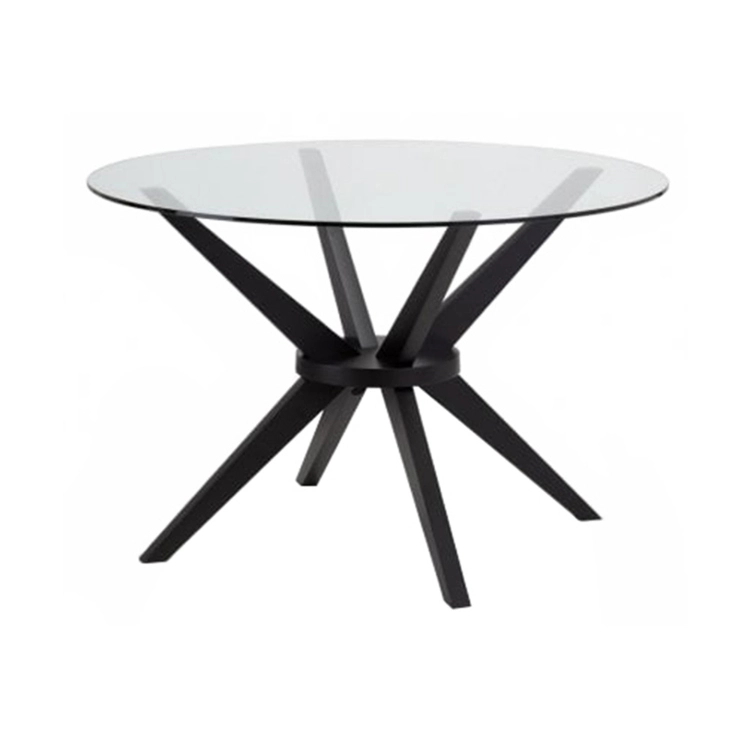
4. Understand design development and sampling
Before production confirm how your brief will become approved goods. What drawings, dimensions, references to finish etc will the manufacturer require and what samples will be available? How will any changes be recorded and who is the authorized person to sign off on the approved specification.
Don’t assume a sample includes all production details. Check which of the production details are demonstrated by the sample and which are to be covered by written specifications or require separate approval. Agree a design-development workflow, define responsibilities and check stages and time scale with costs involved before authorizing production.
5. Ask how product inspection is documented
“Quality checked” is not sufficient for making a purchasing decision. What is being checked? At what stage is it being checked? Against what approved specifications is it being checked? What happens to non-conforming goods? A simple checklist can be drawn up depending on the product and order being sourced and this can include dimensions, finish, stability, full assembly, hardware, labeling and packaging condition.
Define the Acceptance Criteria prior to placing the order. If your team or third party is to carry out an inspection of received goods, define the scope of the inspection and the timeframe in which the inspection is to take place. Request most current procedures and inspection records for the project in question. Verify any reference to testing or certification against the corresponding evidence for the goods ordered.
6. Confirm specifications, compliance, and packaging
Destination, product type, buyer and end use all have different requirements. Please advise manufacturer as to the intended destination and application and who is responsible for verifying any applicable requirements, arranging for any required testing, retaining any required records and approving any labeling or instructions. It is also important to get evidence for the specific product or construction that has been purchased.
List voluntary standards and other technical requirements relevant for the product category. Inquire about the applied test methods, whether reports refer to the exact model and the used materials and who confirms the requirements for the respective market. Do not rely on general statements of compliance with standards.
Inspect for correct dimensions, adequate protection, correct carton markings and assembly instructions as well as any specific labeling required by the buyer. Don’t just rely on a factory capability statement – this is general and does not necessarily mean the specific SKU is being made to the required standards.
7. Align on order, communication, and delivery details
Before committing, ask for written answers on minimum order quantities, lead-time assumptions, sample and tooling charges if applicable, payment milestones, change control, shipment terms, and what happens when an approval or delivery date moves. These terms are order-specific, so obtain them in the quotation or purchase documentation instead of relying on assumptions.
Outline the primary contact for technical queries, sample approval, order progress and other issues. A simple Milestone Schedule as follows allows both parties to understand the interdependencies and prevent delays at each stage: brief confirmation of order terms and conditions, drawing review, sample approval, production release, inspection and shipment.
Buyer checklist and questions to ask
Use the same questions with each candidate to compare them on the same evidence not the way they presented themselves to you.
| Area | Ask for | Record |
| Product fit | Current categories, model list, customization boundaries | Items in and out of scope |
| Design | Drawings, dimensions, finish references, revision process | Approved specification version |
| Materials | Component and finish details; relevant supporting documents | Exact approved materials |
| Sampling | Sample type, revision process, approval owner | Sample reference and sign-off date |
| Quality | Inspection stages, criteria, records, corrective-action process | Acceptance criteria and evidence |
| Compliance | Applicable requirements and product-specific proof | Responsible party and documents due |
| Commercial terms | MOQ, quote validity, costs, payment and shipment terms | Written quotation and assumptions |
| Delivery | Los hitos, las dependencias, el empaquetado, el contacto de escalada | Named owners and dates |
FAQ
What should I look for in a modern furniture manufacturer?
Check that your product requirements match the manufacturer’s demonstrated product range and get specific answers on materials, sampling, inspections, documentation and order terms. Require evidence for the products you need. Get responsibilities and approvals agreed and put in writing before production and don’t rely on capability statements that are too general.
How do I compare furniture manufacturers fairly?
Treat all candidates equally and ask them to provide a quote for the same product brief, quantities, market, deadlines and required documents. Compare the level of detail in the returned quote with the price, listing all assumptions and exclusions as well as the scope of the samples, the criteria of the inspection, the type of packaging, etc. Clarify any missing answers before ranking.
What information should I send for a furniture quote?
List product type, reference drawings or dimensions, reference to materials and finishes, estimated quantity, delivery address, required packaging and labeling, required delivery time and all relevant compliance issues that you are already aware of. Mark has listed out the requirements of you in separate list to the preferences list. A complete brief allows us to more easily establish what issues require further investigation and allows us to compare ‘apples with apples’ between quotations that have been based on different assumptions.