

Present a range of furniture that can be quoted, stocked, delivered and reordered with as little ambiguity as possible. Attractive product images alone are not sufficient to sell furniture to a distributor. He needs item numbers, specifications and price conditions as well as the MOQ, cartonization, sample delivery etc. as well as the quality control and delivery time. The manufacturer earns the next order by making the first order as easy as possible to operate.

Turn your design into useful information for purchasing, warehousing, sales and service teams. This is the first sales task.
List for each product the item number, the finished dimensions, the materials, the possible finish options, the package quantity, the carton dimensions, the weight for the products where the weight is available, the assembly method and the MOQ for each product. Indicate which of the above information is fixed for the product and which information can be modified by the distributor. It is important that a distributor does not have to ask for this basic information after he showed the product to a possible customer. The consistent fields also make it easier to compare different models and to upload the data to a catalog or sales system.
Show views of the front, back, sides, base, joints, surface finish and packaging in good quality images. Where relevant show images at scale and with accurate representation of color. Physical samples of products will be used as the final approval item. Where a finish has natural variation, state the acceptable range. Good images can help to avoid confusion but must support the specification not be used in place of it. Review the Hometree furniture product range.
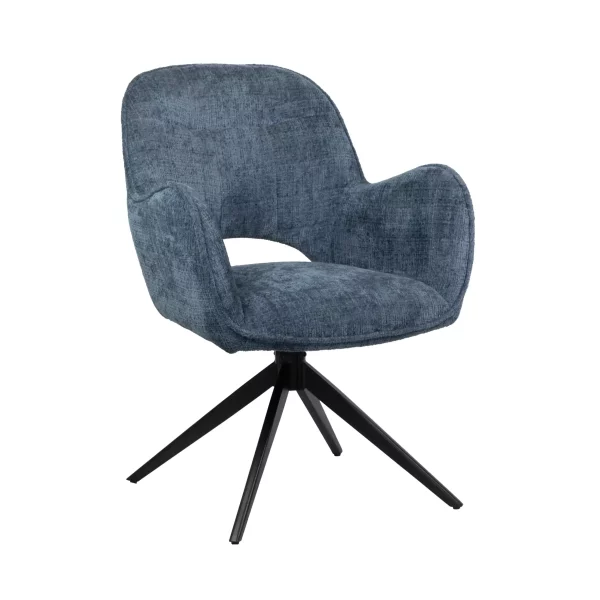
The distributor builds his margin and his inventory plan based on the terms and conditions around the price.
Indicate whether minimums apply to individual models, colors, fabrics or finishes or to a mixed order. Specify which custom changes affect minimums. State the period for which quotations remain valid and detail assumptions made in relation to packaging, labels and samples. If minimums are clearly communicated they can be increased, however if minimums are not communicated clearly then they can create problems for the buyer in terms of planning the assortment and approving samples.
What is the timing for production and when do different buyer approvals need to arrive. Sample development and production of bulk stock must be clearly distinguished. Custom materials can also be a delay factor. No fixed calendar date should be promised before the complete specification has been approved. A distributor would be better served with a realistic purchasing plan including milestones rather than an overly optimistic promise which can change after the purchase order has been placed. Common buying questions are detailed in the Hometree furniture FAQs.
Distributors depend on our models to look good for a long time as they can appear in catalogs, showrooms and even customer installations a long time after the initial shipment.
The development process for Hometree products can be followed from design drawings through to 3D models and actual samples before going into mass production. This allows both sides to reference the key dimensions, structure, materials, colors and packaging of the approved version. The approved version should be easily identifiable and any changes to products should be released as a revision with a description of the commercial impact on the product before it is placed in the next order for production.
List the key checks made for a product. Hometree lists dimensions, warping, color, hardness, surface finish, fittings, cleanliness, weight, hole position and stability as its key quality points. A distributor needs to understand what checks are made, when they are made, what evidence is available for failed checks and how such failures are dealt with. Hometree design and development supports sample requests.
A carton is exposed at receiving, in storage, at picking, on delivery and even by the customer assembling the product. Each of these exposure points can find a weakness in the package.
Provide carton dimensions, quantity per carton, handling orientation, labels and hardware location. Make the SKU readable without opening the box. If several colors share a carton design, use a clear identifier. Test vulnerable edges, panels, glass or stone components under the expected handling route. Packaging affects damage cost and warehouse time, so treat it as part of the product file.
Make sure the supplied components are clearly explained within the packed hardware against the production hole pattern and clearly outline replaceable items and the information required to order alternative fittings. A simple means by which to establish whether a component is missing, damaged in transit or misassembled will enable fast resolution to the matter and aid the manufacturer in analyzing defects against the approved Hometree product inspection process.
A distributor will generally test a range that makes sense to them rather than test half a large catalog where they have no real market position.
Organise your products into categories such as rooms, customers, price point, material or style. In each category describe how the products work in combination with each other and highlight the key models to drive the category. As a leading supplier of living room and dining room furniture Hometree specializes in this area and has a proven track record with a furniture factory established in 2010. By having a clear category focus the supplier can highlight where they fit within the offer to the distributor and what type of customer they can serve with that offer.
After delivery, compare shortages, damage, assembly questions, defects and sales feedback by SKU. Agree on corrective actions before the next order. Keep the approved finish, hardware, packaging and artwork records. The best sales follow-up is not another generic catalog; it is a better reorder based on what both sides learned from the first shipment. Read About Hometree before starting a supplier review.
Supply item numbers with dimensions, listed materials and finishes. Include MOQ, price and carton information as well as any assembly requirements. Offer sample and indicate lead-time. This enables the distributor to establish commercial suitability prior to engaging in lengthy discussion regarding the product.
Start with a focused range of products that fit the distributor’s customer, price position and storage model. A small, well-documented range is easier to send as samples and to launch than a large one. More products can be added after the first order has been received and the relationship established.
Repeat approved product, advise schedule changes early, protect your shipment, support Parts & Service, and audit receive data by SKU. Reliable records & corrective action are far more important than a stream of promotional messages post 1st sale.
Send your project brief through the Hometree contact page