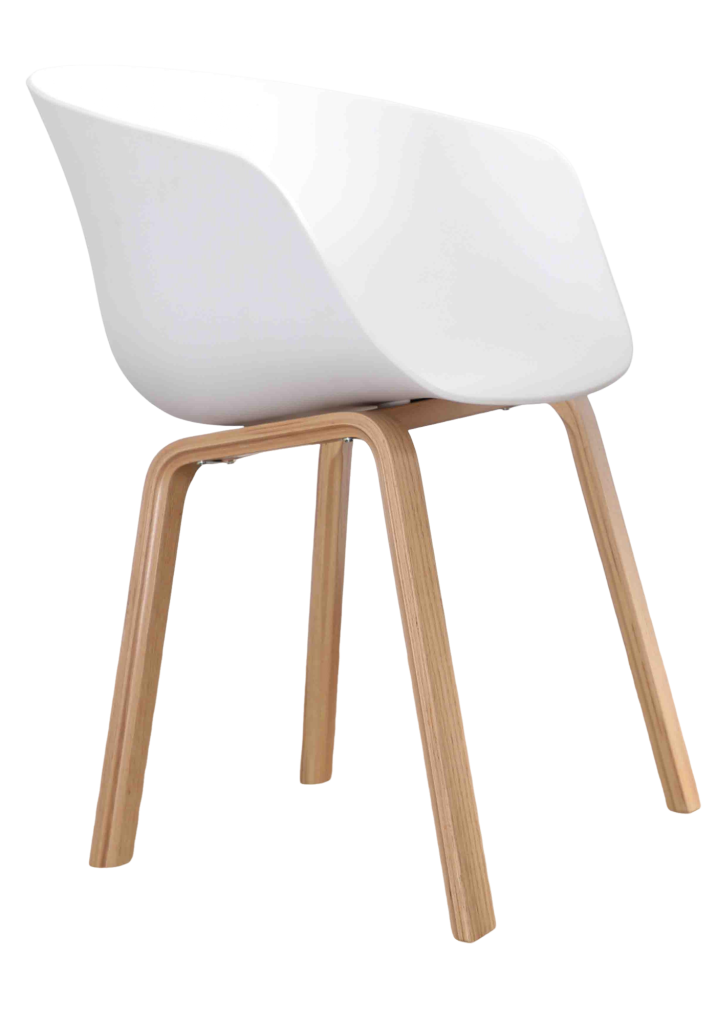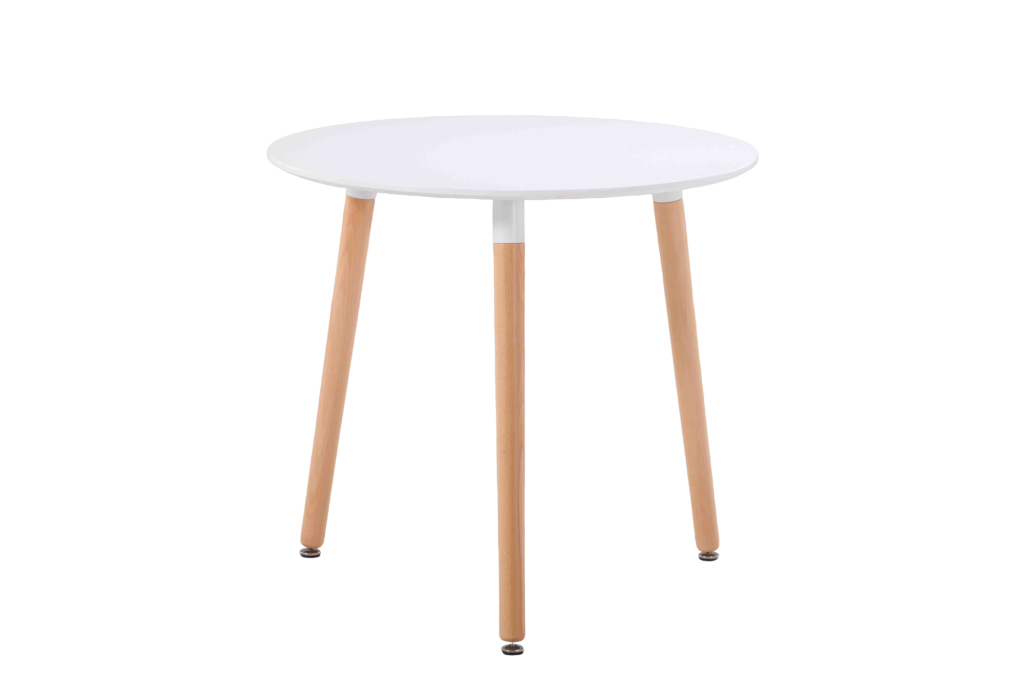

To find a reliable rectangle dining set supplier, compare the supplier’s product specification, sample process, material control, packing method, order flexibility and after-sales support. The right supplier can repeat the same table and chair combination across reorders without changing the dimensions, finish or fit. Start with a written brief, then approve a complete set rather than judging a table or chair on its own.

A rectangle dining set is not one SKU. Record table length, width and height; chair width and seat height; tabletop material; frame material; finish; edge treatment; hardware; carton plan; and the number of chairs per set. If the set is for a retail collection, note the target room size and the number of seats customers expect.
Decide which details cannot change, such as the tabletop size, seat height or load-bearing frame. Then list options such as fabric color, metal finish or packaging artwork. This gives the supplier room to quote accurately without turning every decision into a new development project.
A rectangle table needs usable clearance on all sides. Measure the customer’s likely room, walking routes and chair pull-out space. A supplier that asks about the intended room and seating count is helping you prevent returns, not slowing down the sale. The full Hometree furniture product category is useful when comparing tables and chairs. Material choices can be checked against Hometree material quality control.
Review the table and chairs together. Check whether the seat slides under the tabletop, whether the frame looks proportionate, whether the finish matches across pieces and whether the set feels stable on a level floor. A catalogue image cannot show knee clearance, wobble or the way the chair meets the table edge.
Hometree describes a development flow that can move from design drawings to 3D models and physical samples before mass production. Use those stages to catch proportion or construction issues while changes are still inexpensive. The approved sample should become the reference for inspection and future reorders.
A good supplier can explain how the approved specification moves into material purchasing, component processing, assembly, inspection and packaging. Hometree identifies dedicated areas for metal parts, sewing, soft packaging and final packaging, which gives buyers a useful set of questions for any factory. For a customized set, review Hometree design and development before approving the sample. Before release, use the Hometree product inspection process as a quality reference.
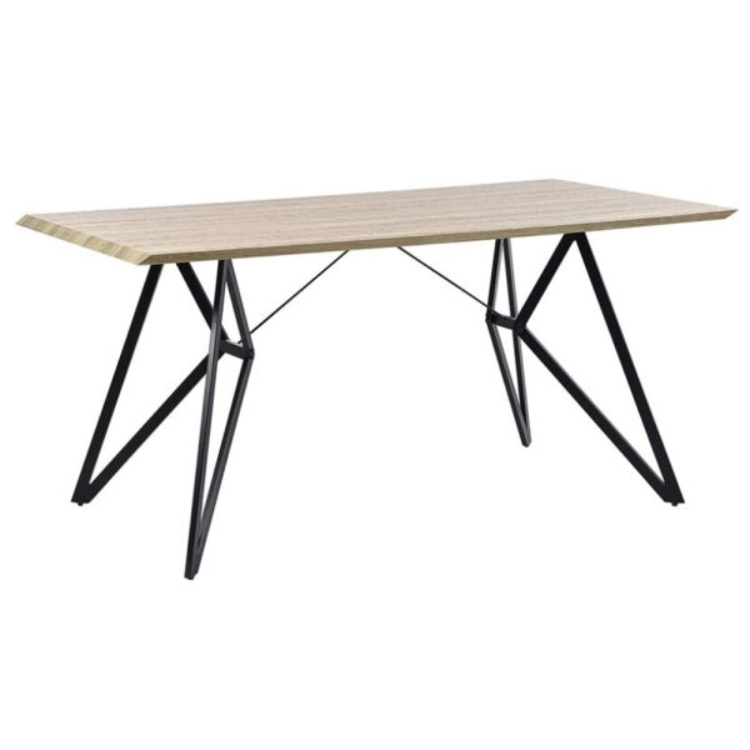
MDF can provide a smooth base for a painted, veneered or shaped surface. Glass can create a lighter visual effect, but a dining surface should use the safety grade specified for the intended use. Solid wood adds natural grain, while veneer can preserve the appearance with a more controlled cost and moisture response.
Ask for the metal type, tube specification, weld finish and anti-rust treatment where a metal frame is used. For wood frames, inspect the grain direction, joints and surface treatment. Hometree’s quality checklist includes dimensions, warping, color, hardness, surface treatment, fitting, weight, hole position and stability.
For upholstered chairs, ask about the foam, cover material, seams and cleaning method. PU, leather, velvet and fabric make different promises to the customer. A supplier that documents the cover and replacement-part route is easier to work with after the set reaches the market. Buyers can also review About Hometree before starting a supplier conversation. Questions about materials and customization are covered in the Hometree furniture FAQs.
Check the table size, chair count, surface marks, color consistency, edge condition, hardware, hole positions, assembly fit, weight and stability. Photograph each issue by SKU and carton. These checks turn a subjective complaint into a useful production record.
A dining set can pass a factory inspection and still arrive with chipped corners or scratched panels. Confirm carton dimensions, protective material, labeling, assembly instructions and stacking limits. Hometree states that raw materials are inspected before leaving the supplier and again on arrival, while finished goods are checked against product and packaging requirements.
Ask how the supplier stores the approved color, finish, hardware and carton artwork. Confirm the MOQ, production lead time, spare-part process and contact for after-sales questions. A reliable rectangle dining set supplier should be able to describe the next order as clearly as the first one. The supplier-screening checklist in how to choose a wholesale furniture supplier covers MOQ and samples. For chair sizing, compare how to choose dining room chairs.
Give each supplier a simple score for specification accuracy, sample quality, material transparency, quality records, packaging, MOQ, communication and reorder control. Require a file, sample or clear answer for each score. A low quote with missing evidence is not a saving; it is an unresolved cost.
A retailer launching one coordinated collection may value flexible development and packaging support. A wholesaler may prioritize repeatability, carton efficiency and stable replenishment. The best supplier is the one whose process matches the way you sell the set. For a project quotation, use the Hometree contact page.
Ask for a complete specification, sample route, MOQ, packaging plan, inspection checkpoints and reorder process. Those answers show how the supplier works beyond the product photograph.
Assemble the complete set on a level floor. Check table rocking, chair wobble, joint movement, hardware fit and the way each chair meets the tabletop. Record the result against the approved sample.
Hometree states that its design, prototyping, production, quality-control and service teams can support customized furniture for residential and commercial spaces. The exact specification, materials and packaging should be confirmed for each project.