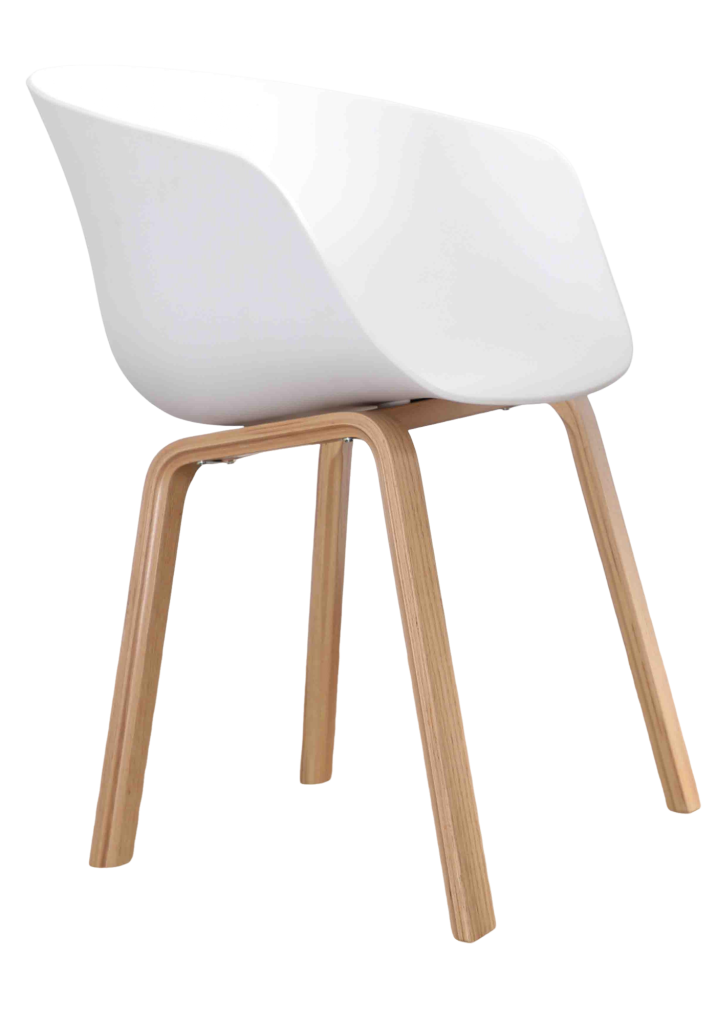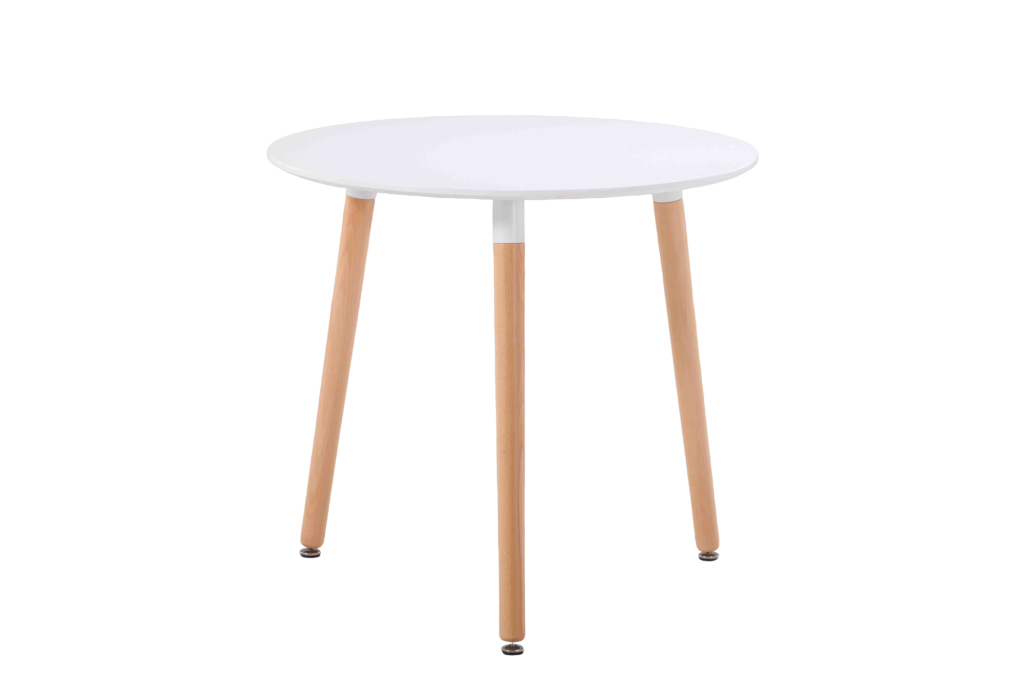

The typical process for placing bulk orders with furniture and decor wholesalers runs from a written order brief to sample approval, production scheduling, inspection, packing, shipment and reorder review. Buyers lose control when they confirm quantity before the specification is fixed. A staged process keeps design, price, quality and delivery decisions connected.

Record item number, dimensions, materials, finish, color, hardware, intended use, carton requirements, labels and assembly method. Separate tables, chairs, cabinets and decor pieces by SKU. If a product is sold as a set, state exactly what the set contains.
Identify the details that cannot change, such as table height, chair seat height, approved material, safety requirement or shipping label. Then list acceptable options. This prevents a supplier from treating a critical requirement as a casual preference.
Include target quantity, desired delivery window, destination, MOQ assumptions, spare-parts expectation and forecast for the next order. A wholesaler can plan better when it understands whether the order is a launch, a seasonal buy or a repeat replenishment. Confirm the SKUs in the Hometree furniture product category before requesting a volume quote. Use Hometree design and development to reduce ambiguity before sampling.
Ask each wholesaler to quote the same specification and packing basis. Confirm whether the price includes the selected finish, hardware, carton artwork, labeling and any sample or tooling charge. A unit price without its assumptions is not a useful comparison.
Calculate carton count and volume before accepting the quantity. The lowest per-piece price can create the highest storage burden. Hometree product records include package specification, volume, weight and MOQ for many items; request the same fields for the products in your order.
If the supplier offers several fabrics or finishes, list the approved choices in the quote. Do not leave substitutions to a phone call. The quotation should point to the specification that will later be inspected. The incoming-material stage is explained in Hometree material quality control. Before loading, follow the checks in the Hometree product inspection process.
Hometree describes moving from design drawings to 3D models and physical samples. Use the sample to check proportion, comfort, surface appearance, structure, hardware, assembly and packaging. A digital image is helpful for review, but it is not a production standard.
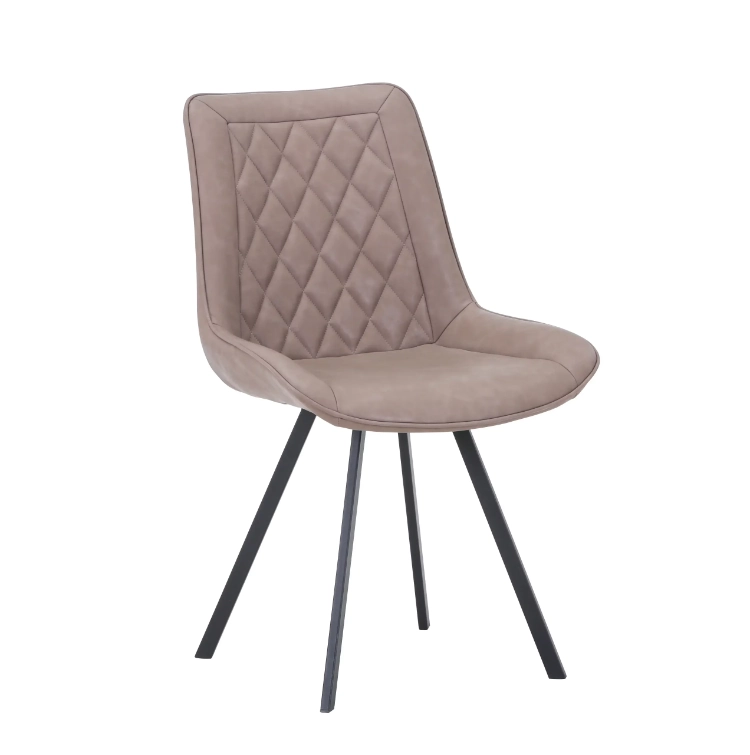
Keep approved drawings, dimensions, material samples, color plates, product photos, carton artwork and inspection points together. Give the same pack to the sales, production and quality teams. When everyone works from a different screenshot, the bulk order has already started to drift.
For buyers comparing suppliers before placing a large order, the guide to choosing the right furniture manufacturer for retailers and interior designers can help clarify factors such as production capability, quality control and long-term cooperation requirements.
If a sample needs a new leg, finish or carton, update the drawing and approval record. Name the revision and date it. Future reorders should point to the approved revision instead of relying on memory. A virtual walkthrough is available through the Hometree virtual factory tour. The Hometree furniture FAQs include the delivery questions buyers ask most often.
Clarify the source and specification of wood, MDF, metal, glass, foam, fabric, PU or leather. Hometree states that raw materials are inspected before leaving the supplier and again on arrival at the factory. Ask which checks apply to your critical materials.
Hometree separates activities such as metal parts, sewing, soft packaging and final packaging. Ask which operations are internal, which are scheduled separately and where the final assembly and inspection happen. This helps you see where a delay or variation could enter the order.
Agree on sample sign-off, material release, production start, inspection date, packing completion and shipment readiness. Hometree describes ERP-based management of raw materials and order information; the practical question for a buyer is whether progress can be reported against the agreed milestones. The bulk-order checks in how to choose a wholesale furniture supplier are useful before the quote is accepted. For receiving and setup, keep the bulk furniture delivery checklist with the packing records.
Inspect dimensions and tolerances, color, surface defects, component fit, cleanliness, weight, hole positions, stability and packaging protection. For a set, inspect the pieces together so a table and chair that are individually acceptable are also compatible.
Photograph the issue, identify the carton, describe the required correction and note the decision. A written record is more useful than a general statement that the order is not good enough. Keep the approved sample available during the inspection.
Clarify which defects require rework, which can be accepted and who pays for replacement parts or repacking. The release decision should happen before loading, while the supplier can still correct the order efficiently. For a project quotation, use the Hometree contact page.
Inspect cartons for impact, moisture or crushing before opening. Then compare the products with the reference pack. Separate transport damage from production defects so the right corrective action is assigned.
Record sell-through, customer questions, returns, assembly time, missing parts and packaging damage. These are part of the bulk-order result. A supplier that delivered on time may still need a better carton or clearer instructions.
Keep the approved specification and inspection record for the reorder. Hometree states that its teams support production, quality control, sales and after-sales service; your internal record should connect those conversations to the exact SKU and revision.
For future shipments, buyers can also refer to a bulk furniture delivery checklist covering receiving, assembly and room setup to organize arrival checks and reduce avoidable delivery issues.
Confirm the full quantity after the specification, sample and commercial assumptions are approved. Releasing quantity before those steps creates avoidable variation and rework.
Keep the approved drawing, dimensions, materials, finish, color plate, hardware, carton artwork, assembly instructions, product photos and inspection checklist together.
Hometree’s custom furniture delivery time is typically 30-45 days. The actual schedule should be confirmed based on the specific product mix, quantity, approval date and shipping plan. The actual schedule should be confirmed for the specific product mix, quantity, approval date and shipping plan.