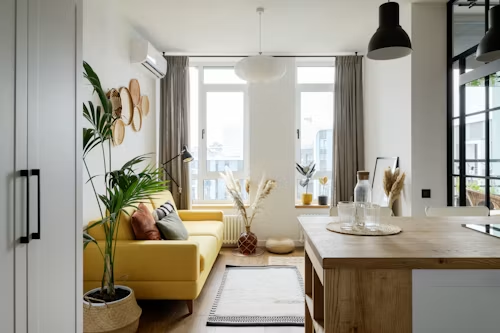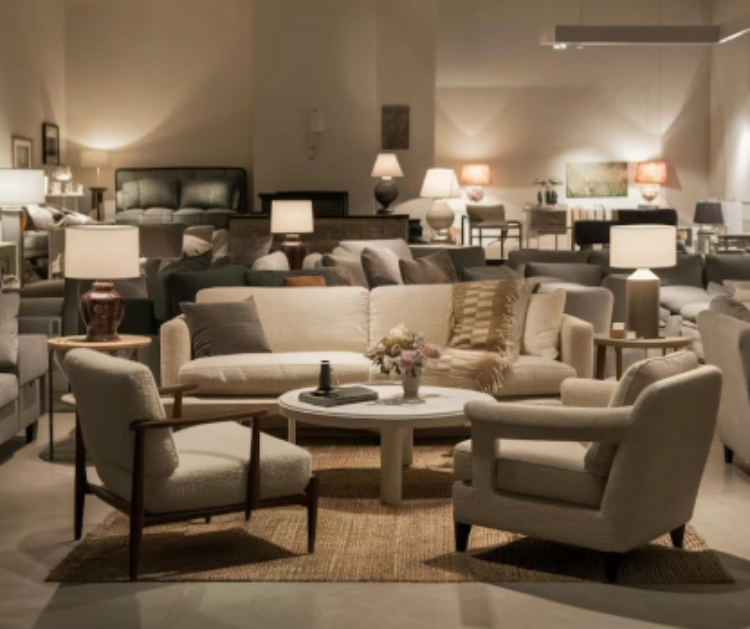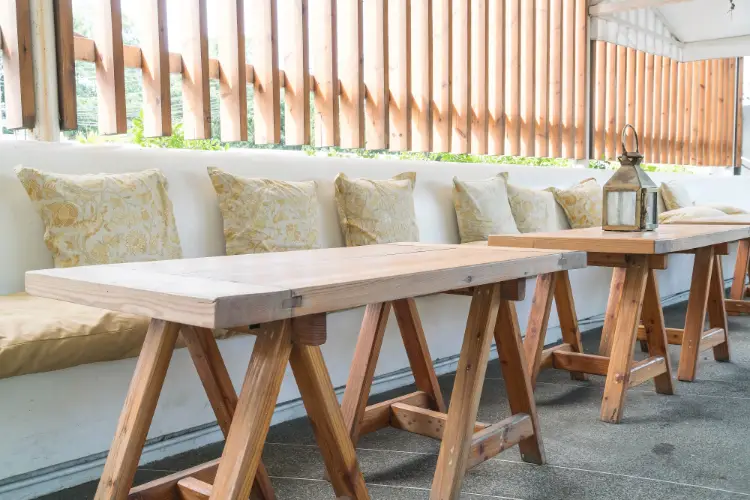

Custom made furniture now reaches beyond luxury interior setups. It serves as a sensible option for purchasers seeking greater influence over item style, expense, and ongoing availability assurance. Off-the-shelf goods frequently miss the mark for genuine task demands. Measurements might not suit, supplies might not fit intended areas, and ongoing procurement leads to uneven results.
Customization proves useful in such situations. It enables goods to form around true application settings. Thus, projects avoid bending to rigid styles. Within this setting, Hometree has grown as a producer blending creative skills, making speed, and firm quality oversight. Backed by over ten years of plant work and involvement in global shows, Hometree aids international clients in shifting ideas into workable large-scale items.
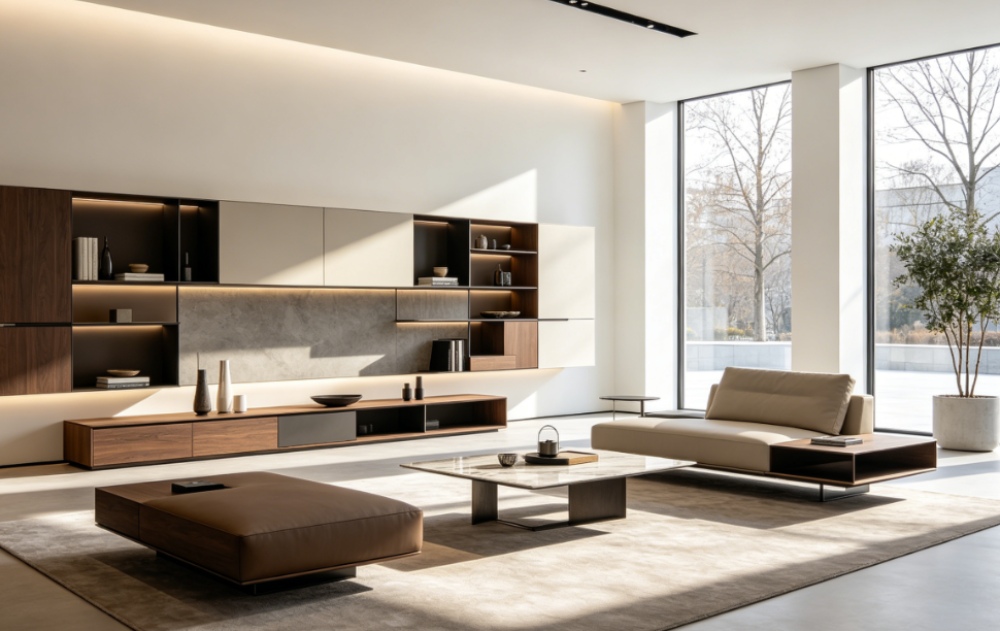
What Is Custom Made Furniture and Why Does It Matter?
Custom made furniture means goods created to meet particular needs. These cover sizes, supplies, build, and planned purpose. It goes further than mere outer changes. Instead, it links style thoughts with production facts.
Understanding the value of this method in real procurement proves essential before advancing.
Tailored Design for Real Scenarios
Ready-made furniture commonly faces issues in actual spots. Compact homes, uneven arrangements, or business spaces call for adaptability. Tailored furniture permits tweaks to ratios and framework. As a result, the item blends smoothly into the area.
Hometree employs an organized style method. Ideas turn into sketches. Next, they become 3D versions. Finally, they shape into tangible samples. Every phase holds reviews of framework, supplies, and practical fit. Consequently, mistakes drop before wide making starts.
Alignment With Market Positioning
Varied areas need distinct goods plans. A simple eating table for city clients stands apart from a solid, ornate unit for upscale spots. Tailoring lets items align closely with cost levels and buyer hopes.
What Are the Core Benefits of Custom Made Furniture?
The gains from tailored furniture show more plainly against standard procurement. It involves more than style bendiness. It impacts expense, steadiness, and lasting edge in competition.
Consistency Across Bulk Orders
A frequent problem in usual procurement involves shifts among groups. Shade variances, supply unevenness, and framework drifts prove hard to sidestep when goods arrive from diverse origins.
Tailored making fixes this via matching supplies and routine methods. Hometree uses firm review rules. These encompass close limit oversight and outer quality exams. Hence, big runs stay even.
Cost Efficiency in Large Quantities
While tailored furniture might seem pricier upfront, broad making lowers total outlay. Grouped buying of supplies and smooth making paths boost usage levels. At the same time, they cut leftovers.
This way also stops unseen costs from unfit stock or extra buys.
Stronger Product Identity
For distributors and own-brand sellers, goods uniqueness matters greatly. Tailored furniture permits building sets that echo the mark. Thus, rivalry shifts from mere cost battles.
Hometree aids this via its inside style group. That team steadily crafts fresh looks drawn from area wants. The skill to shift trends into goods forms a main cause for ongoing client ties.
How Does the Custom Furniture Manufacturing Process Work?
An evident method aids in dodging holdups and quality dangers. Lacking order, tailoring can turn wasteful quickly.
From Concept to Prototype
The method starts with need verification. This covers measurement, supply choice, and hoped expense span. Following that, the style group crafts tech sketches. Then, it advances to sample building.
Hometree’s sample group centers on user fit and framework security. A seat or table gets tested beyond looks. It also checks for lasting application.
From Prototype to Mass Production
After sample okay, making splits into focused units. Metal sections, fabric work, and boxing occur apart. Later, they join into complete goods.
This block making setup lifts speed and trims wait periods. Runs get handled via inner tools to hold firm planning.
Quality Control Throughout the Process
Quality oversight applies across all phases. Starting supplies face checks prior to making entry. While building occurs, forms keep precision. Done goods get reviewed once more for spec match.
Hometree’s review rules hold tight bounds on size shifts, outer state, and framework firmness.
What Materials Define High Quality Custom Furniture?
Supply choice shapes lasting power, looks, and outlay directly. It ranks among the top choices in any tailored task.
Wood and Engineered Boards
Wood brings innate feel and power. Oak suits frame parts often. It fights shape loss and manages routine handling nicely. MDF gives even outer and backs tricky forms. This fits well for current styles.
Hometree mixes these supplies to even out work and expense. This works especially in eating tables and storage units.
Metal and Structural Support
Metal bases add steadiness and fresh flair. Depth holds a central part. Slim metal might warp as time passes. Thicker builds lift lasting power and weight hold.
Upholstery and Comfort Materials
Firm foam boosts ease and keeps form over years. Weaker supplies often sag after long use. That shortens goods life.
Glass and Surface Materials
Hardened glass sees broad use for its power and security. It proves much tougher than usual glass. When broken, it forms tiny bits instead of pointed shards.
How to Choose the Right Custom Furniture Manufacturer?
Picking the proper producer often outweighs choosing the goods alone. Various elements demand careful review.
Design and Development Capability
A producer with an inner style group can shift thoughts into workable goods. Without this skill, a solid idea might flop in making.
Hometree stresses style heavily. The style group teams up near with clients. They polish thoughts and fit them to making needs.
Production Capacity and Flexibility
A dependable ally must manage vast and minor runs. Block making permits quicker reply to varied amounts. It also trims delays.
Hometree weaves in part matching to raise speed. Yet, it keeps bendiness intact.
Quality Control System
A solid review setup lowers danger in world trade. Steady quality proves key for lasting teamwork.
Global Experience
Contact with diverse areas boosts goods fit. Hometree joins world shows. This aids in lining styles with broad trends and buyer hopes.
Transparency and Communication
Plain talk and clear making flows build faith. Purchasers gain from plant data access and straight link to the making group.
Why Is HTT0122 a Practical Example of Custom Furniture?
One clear goods case can display how tailoring functions in real use.
Balanced Design and Function
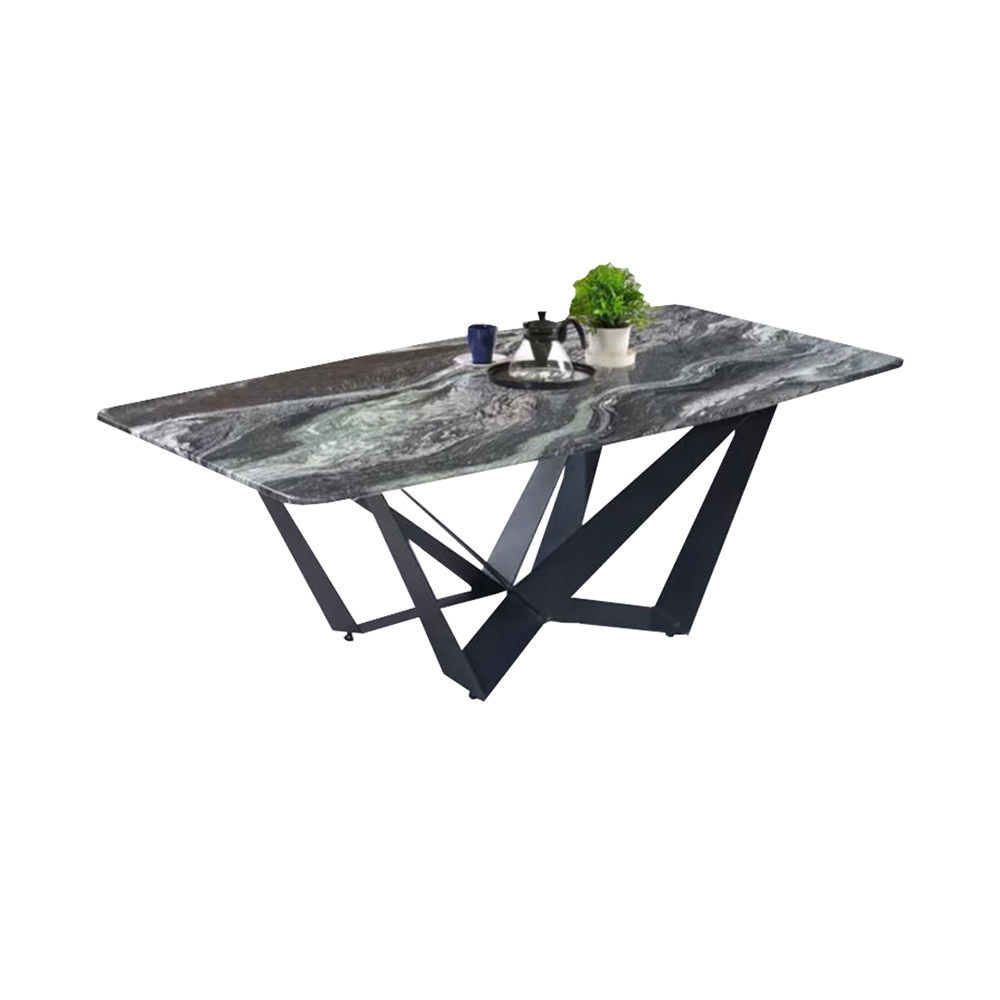
The HTT0122 eating table shows a plain dark outer paired with soft gold touches. It suits fresh inner spaces. Yet, it avoids extra complication.
Material and Structure
MDF and metal use even out lasting power and expense. This suits home and business uses alike.
Adaptability to Different Markets
Its measurement and neat style let it fit many spots. These range from eating rooms to tiny meet zones. Such bendiness aids sellers aiming at varied places.
Goods like HTT0122 show how Hometree shifts style ideas into broad fixes that hit both look and real needs.
FAQ
Q1: What Is the Typical Lead Time for Custom Made Furniture?
A: Most orders finish in 30 to 45 days. This varies by run scale and goods detail.
Q2: How Can Quality Consistency Be Maintained in Large Orders?
A: Evenness comes from matching supplies, routine making methods, and firm reviews at each phase.
Q3: Is Custom Furniture Suitable for Small Businesses?
A: Yes. Bendy making setups permit minor groups. Thus, tailoring opens to mid-sized purchasers.
Q4: What Materials Are Best for Long Term Durability?
A: Oak for framework, firm foam for seats, and hardened glass for outers see wide use. Their lasting power and work stand out.
Q5: How to Start a Custom Furniture Project?
A: Start with plain needs like measurement, look, and expense span. Then team with a producer offering style aid, sample building, and firm making skill.