

A practical brief for furniture buyers preparing a request for quotation
A furniture request for quotation (RFQ) works best when every supplier receives the same clear brief. If dimensions, materials, order quantities, packaging, or delivery expectations are missing, quotations may look comparable while covering different products and assumptions. A concise furniture RFQ checklist helps buyers get useful prices, identify open questions early, and decide what needs to be confirmed before sampling or production.
This guide is for retailers, distributors, project teams, and private-label buyers sourcing chairs, tables, or related furniture. You do not need a finished technical drawing to start a discussion, but you should separate confirmed requirements from items that are still flexible.
1. Describe the Product and Its Intended Use
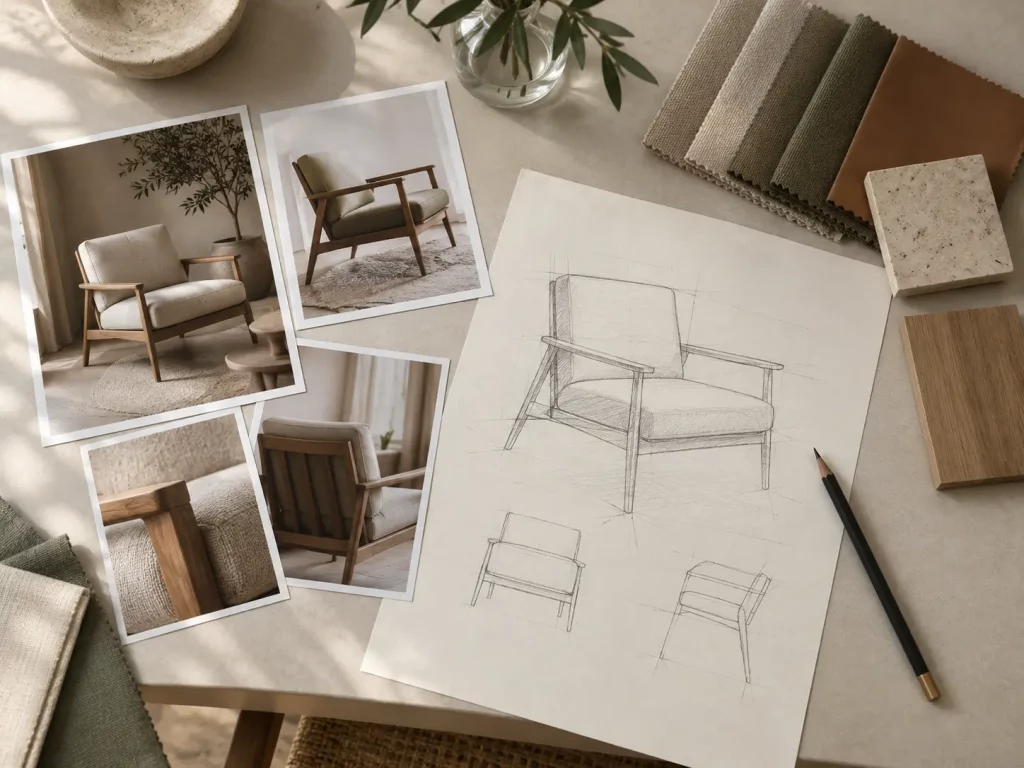
Start with the product type and where it will be used. A dining chair for a home collection, a chair for a restaurant, and a chair for a school project may have different priorities even when their silhouettes look similar. Share reference photos, sketches, existing samples, or links when available, and explain which features are essential.
List the intended user, environment, and expected use pattern. Note whether the product will be used indoors or outdoors, whether it needs to stack or fold, and whether it belongs to a coordinated collection. These details help a supplier understand the brief before estimating construction and finish options.
2. Provide Dimensions and Construction Requirements
Include overall dimensions and any critical measurements that affect fit or function. For a chair, that might include seat height, seat width, and arm clearance; for a table, the top size and height may be central. If a drawing is not ready, label approximate measurements as provisional and say which dimensions still need review.
Identify the materials or construction direction you prefer, such as solid wood, veneer, metal, molded plastic, upholstery, or a combination. If you are open to alternatives, ask suppliers to state those alternatives separately instead of silently substituting them. Hometree outlines its available material directions on its materials page; use it as a starting point for a more specific project discussion.
3. State Quantity and Order Structure

Give the expected quantity for each model, finish, and color wherever possible. If the final quantity is not fixed, provide a realistic range and ask whether pricing changes at different order levels. For a mixed container or a phased programme, describe the expected mix and schedule. Quantity affects material planning, packaging, and production arrangements, so a single total without a product breakdown can leave important assumptions hidden.
Also state whether the quotation is for a sample, a trial order, an initial production run, or repeat purchasing. If you expect reorders, mention the likely cadence without presenting a forecast as a commitment.
4. Separate Must Haves From Optional Choices
A useful RFQ distinguishes requirements that cannot change from preferences that can be discussed. Mark the target finish, fabric, color, hardware, branding, or customization needs as required, preferred, or open to recommendation. This gives the supplier room to suggest practical options while keeping the core brief intact.
If you have a target price, explain what it includes and the delivery basis you want quoted. A target is more informative when connected to a product configuration and order quantity. Otherwise, buyers and suppliers may be comparing different specifications.
5. Define Packaging, Delivery, and Required Documents
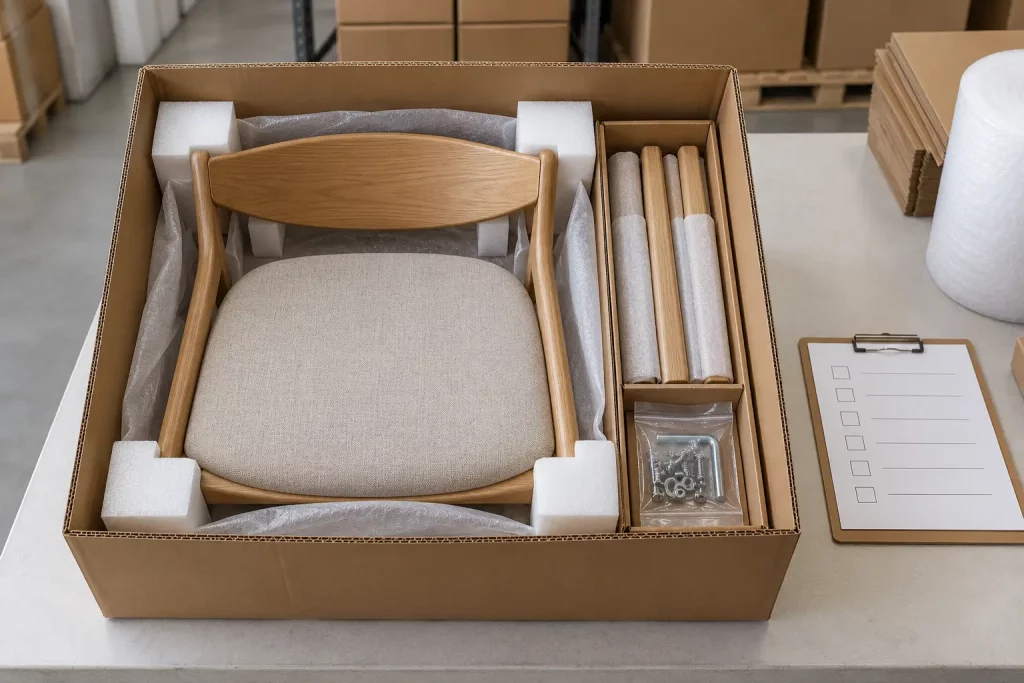
Packaging deserves its own section. Specify whether you need individual cartons, sets packed together, retail-ready packaging, protective inserts, printed marks, or particular labeling. Share destination markets and handling conditions when they affect the packing plan. If requirements are not settled, ask the supplier to describe the proposed packaging and identify any cost assumptions.
Include the delivery destination, requested timing, and quotation basis. State which documents or compliance information your team needs to review, and name any market-specific requirements that are already known. Avoid assuming that a general product description is enough to establish regulatory or testing obligations; confirm the exact requirements for the destination and product category.
6. Ask Suppliers to Make Assumptions Visible
Invite each supplier to list exclusions, substitutions, open questions, and validity period alongside its price. Request separate pricing for meaningful options, such as alternate materials or packaging, so you can see the trade-offs. If tooling, sampling, or development work may be required, ask that those costs and steps be shown separately.
When a product is still being developed, ask about the sequence from design review to prototype, sample approval, production, inspection, and packing. Hometree describes its design and development process and product inspection approach online. Reviewing those process details can help buyers prepare questions about approval points and quality checks.
A Simple Furniture RFQ Checklist
- Product name, reference images, and intended use
- Dimensions, materials, construction, and finish direction
- Quantity by model, color, and finish, plus order structure
- Must-have requirements and areas open to alternatives
- Packaging, labeling, destination, and delivery expectations
- Required documents, review points, and approval contacts
- Requested quotation format, validity period, assumptions, and exclusions
Frequently Asked Questions
What does RFQ mean in furniture sourcing?
RFQ means request for quotation. In furniture sourcing, it is the brief a buyer shares so suppliers can estimate price and terms for a defined product, quantity, specification, packaging approach, and delivery requirement.
Can I request a furniture quote without a technical drawing?
Yes. Reference photos, approximate dimensions, intended use, preferred materials, and order quantity can support an initial discussion. Mark uncertain details clearly so the quotation does not appear more final than the specification allows.
Why do supplier quotations vary for the same furniture item?
Suppliers may be pricing different assumptions about materials, construction, finish, order quantity, packaging, or delivery. A shared RFQ format and a request for assumptions and exclusions make those differences easier to compare.
Should I include a target price in an RFQ?
A target can help frame the discussion when it is tied to a clear product specification, quantity, and delivery basis. If the design is flexible, ask suppliers to show configuration options so you can understand what changes the price.
What should happen after I receive furniture quotations?
Compare scope before comparing price. Resolve missing assumptions, confirm the specification, review samples or prototypes where needed, and agree on approval and inspection points before production proceeds.
Make the First Quote More Useful
A clear furniture RFQ does not need to be complicated. It needs enough detail for suppliers to quote the same product and enough transparency to show what remains undecided. Prepare the product brief, order structure, packaging, delivery, and approval questions together, then use supplier responses to identify what must be resolved next.
For a furniture brief you are preparing, contact Hometree Furniture to discuss product requirements and the next steps.