

The dining chair is approved as a small material system. The upholstery material, the metal frame and the lighting as well as the room finishes all influence each other and thus a simple photo or even a simple color name is not sufficient. The useful decision is saved as a physical retained reference for later use in the decision-making process; it is viewed in a specified manner and it is accompanied by a written instruction for production that details all the necessary points. This is particularly important if an ivory or even a beige-colored fabric is combined with a black metal frame, as the same color on the same chair can look surprisingly different on a screen and under a lamp.
The review should begin with the buyer’s use context. A residential chair, hospitality seating, and a project collection may have different priorities for cleaning, visual consistency, replacement, and coordination with other pieces. Record those priorities before selecting a finish. That keeps the approval decision practical and avoids turning a color review into an unsupported claim about service life or performance. See the published product specification for the current model description.
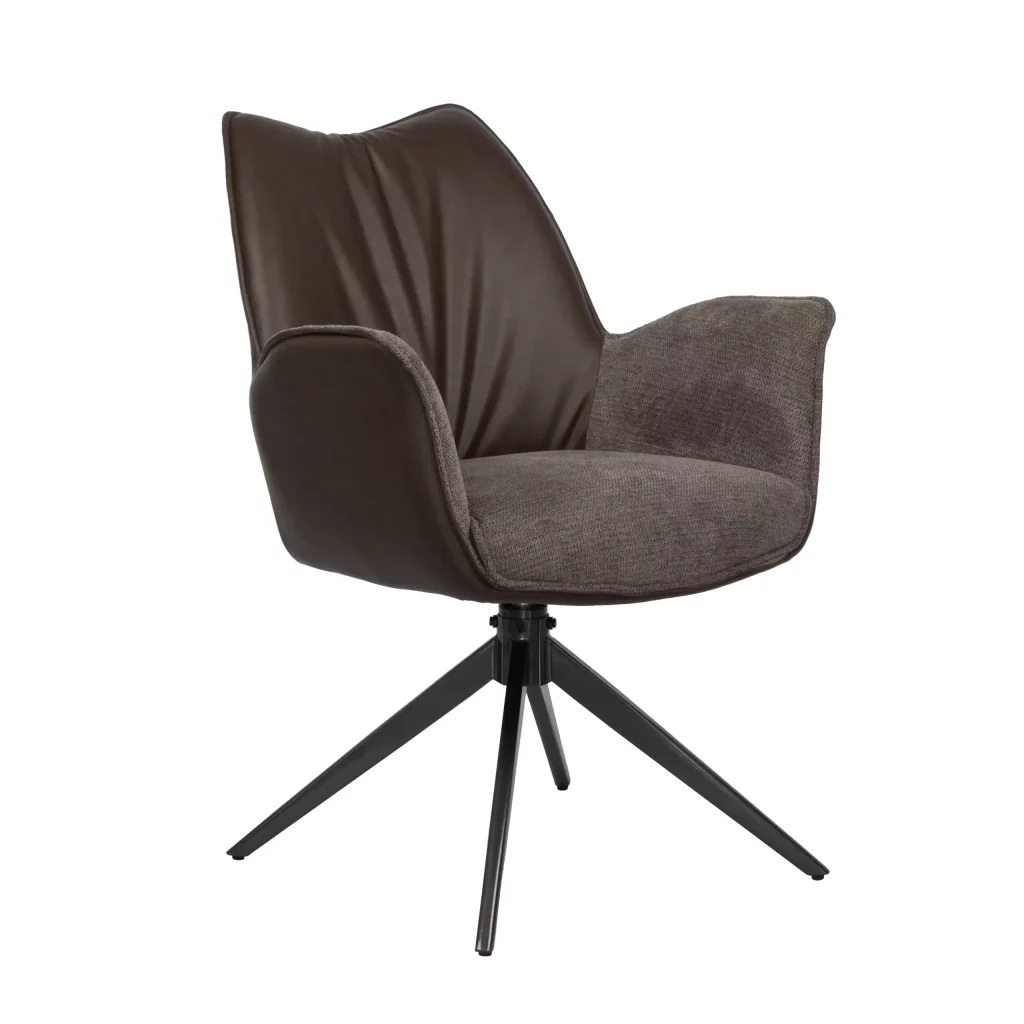
The published HTC0520 description identifies an ivory textured fabric, a wingback-style profile, a cutout detail, 360-degree rotation and black metal legs. It does not state textile composition, abrasion rating, coating type, colour tolerance or cleaning performance. Treat those as order-specific questions. The visible model identity is useful; it is not a substitute for a finish schedule.
Begin with a physical reference
Request the supplier to provide a swatch for buyer approval for the actual model, such as HTC0520, and the material type proposed for production, such as fabric. Mark the swatch with supplier name, color reference number, date and intended use. Textured fabrics look very different when rolled up compared to how they look on the actual chair – particularly on curved surfaces or on upholstered chairs with cushions. See how the fabric looks on the completed chair and also how the upholstery is attached at seams, corners, cut-out details, etc.
In order to maintain the signed swatch, it should be kept in the file with the purchase order. Photos of the sample are also very useful in cases where the reviewers are remote. However, the photos should only be used to verify the approved physical sample against the monitor image of the same. Make sure to send physical samples to all reviewers and agree on the lighting in the room where the samples are viewed in order to avoid any arguments caused by different references.
Write down who is allowed to approve the finish and where the sample will be viewed. A hospitality team under cool commercial lights may see a different balance of ivory and grey than a residential buyer under warm lamps. Sharing one labelled sample, the same images and a short decision note prevents an argument caused by different references rather than by the chair itself.
View the combination in realistic light
View the proposed combination of seat, armchairs and table in realistic lighting in relation to the floor and walls and make notes from a normal viewing distance and from close-up views. Note the small highlights and shadows created by the woven texture as someone walks past the product.
Instead of asking “Does it look good?”, make a list of comments about the shade approved. Specify how much warmer, cooler, more yellow or gray it looks than surrounding items and get agreement on acceptable differences prior to approving. Check out all approved shades against each other on a table or on the floor together as one collection. One color may look fabulous on its own but awful compared to other chairs in the collection.
Inspect the frame as its own finish
It is also important to check the frame finish. Although the HTC0520 dining chair is described with black metal legs, black metal does not indicate whether the surface finish is glossy, textured, coated or variable. Ask for the proposed finish and keep a physical chip or sample identified. Check all exposed surfaces of the legs, the brackets and other visible hardware for even sheen, scratches, etc. Check against the upholstery for contrast. View from all angles whilst the seat is unpacked.
Check the frame against the upholstery. Glossy black may reflect a room more than a matte or textured finish, but both could be appropriate if chosen deliberately. Check the metal-to-fabric joint and the leg-to-seat join for rough edges or exposed cut edges that may not be visible from a distance.
Check construction while checking appearance
However, just because you approve a finish does not mean you have approved the seams, comfort, etc. Check for correct stitch length and placement, adequate fabric tension and that the chair is symmetrical. Also check for any loose ends and any sharp turns in the fabric. Request any relevant test data for wear, cleaning, etc. A simple tactile check does not give adequate information for approval.
Sit briefly and shift position on the assembled chair. Watch for excessive wrinkling, a seam that pulls, or cloth rubbing against the frame. Rotate the chair through its stated 360-degree movement and check whether the upholstery catches. This is a fit observation, not a lifecycle test; any formal requirement needs its own method and acceptance limit.
Turn approval into production instructions
Identify the approved combination
Record details of approved finishes. These should include model number, date of sample approval, fabric reference number, metal finish reference number and revision numbers where relevant. It’s also a good idea to include photographs of the approved chair from different views as well as close-up views of seat edging, armrest stitching and cut-out details, leg finish and any metal-to-fabric junctions.
List the key points that need to be checked against the approved reference and add the location, stage of production and quantity of items to be checked against this reference. The person responsible for the check and any tolerances should also be included. ‘Same colour’ is not sufficient – the reference and the conditions under which it will be viewed must be stated.
Review substitutions before production
All substitutions of fabrics, coatings and frame components must be subject to new approval. Ask the supplier for a description of changes and for samples of swatches, components or even finished chairs as appropriate. A color name does not automatically make an unapproved alternative approved.
Use published process information carefully
hometree describes its design and development process. This allows the buyer to identify the point at which material choices are resolved, namely during approval of the fabric and frame for production as part of the production specification approval process. The process in itself does not prove any specific textile test results, coating standards or tolerances – these must be specified by the buyer as necessary.
Review the design and development process and the product inspection process when aligning order-specific criteria.
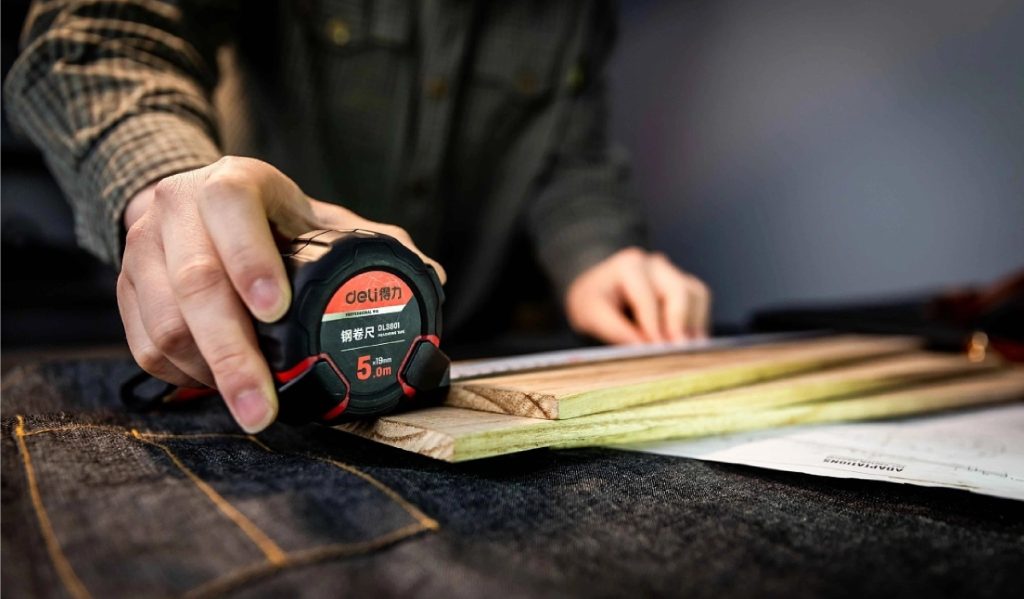
The published information gives a general view on how to check for appearance and for structure. The general quality statement does not imply a specific color match, tolerance for coatings, or performance. You must specify the fabric, frame, and structural parts to be inspected.
Finish with a short release checklist
Before you release the order, check the model number, fabric reference kept by the buyer, approved frame finish and lighting recorded in the approval notes. Check all seams and visible join areas on the completed chairs and add production notes on what cannot change and use the same notes for a reorder. Leave all unknown technical values open until confirmed by the buyer.
The same habit helps with a single SKU and with a large collection. It prevents disputes caused by different screens, loose colour names and late finish substitutions. A reorder remains comparable when its material, source and process are unchanged; any such change still deserves a fresh review.
The goal is a physical standard for this order, not a claim that every chair will look identical to a digital image. When upholstery, frame and assembly are approved together, the buyer has a defensible reference and the factory has a practical target.
For current product or order details, contact hometree through its contact team and confirm the applicable specification in writing.
Frequently Asked Questions
Is a fabric colour name or digital colour code enough for approval?
No. Ivory, beige and black leave texture, sheen, dye-lot variation and lighting effects undefined. Keep a labelled physical swatch and inspect it on the assembled chair. State in the order record which sample controls if a screen image conflicts with the material.
How can a buyer approve chair finishes when the team works remotely?
Send the authorised reviewer the same labelled swatch or finish chip. Use neutral, agreed lighting for photographs and include the whole chair plus seams, curves, cutouts and frame joints. Record the approver and keep the reference available for production comparison; images support the decision but do not replace the sample.
Can one approved chair cover every finish in a collection or a later reorder?
Only when the record explicitly covers those exact combinations. Fabrics and frame finishes react differently to light and construction. Keep a reference for each combination, and repeat the review when material, process, supplier source or visual target changes.