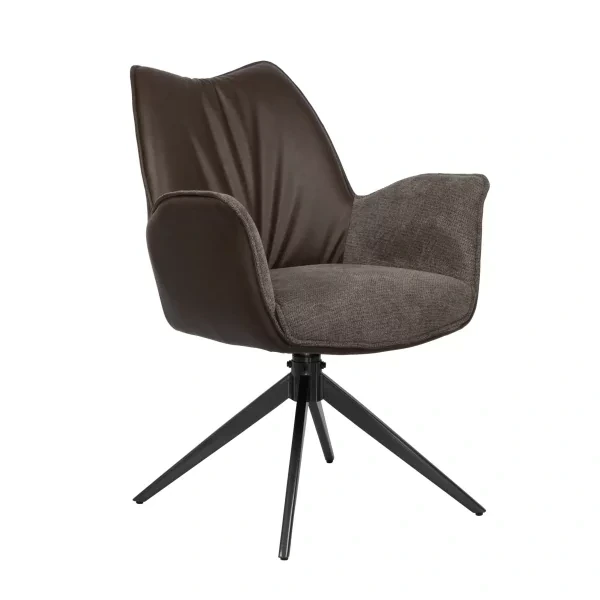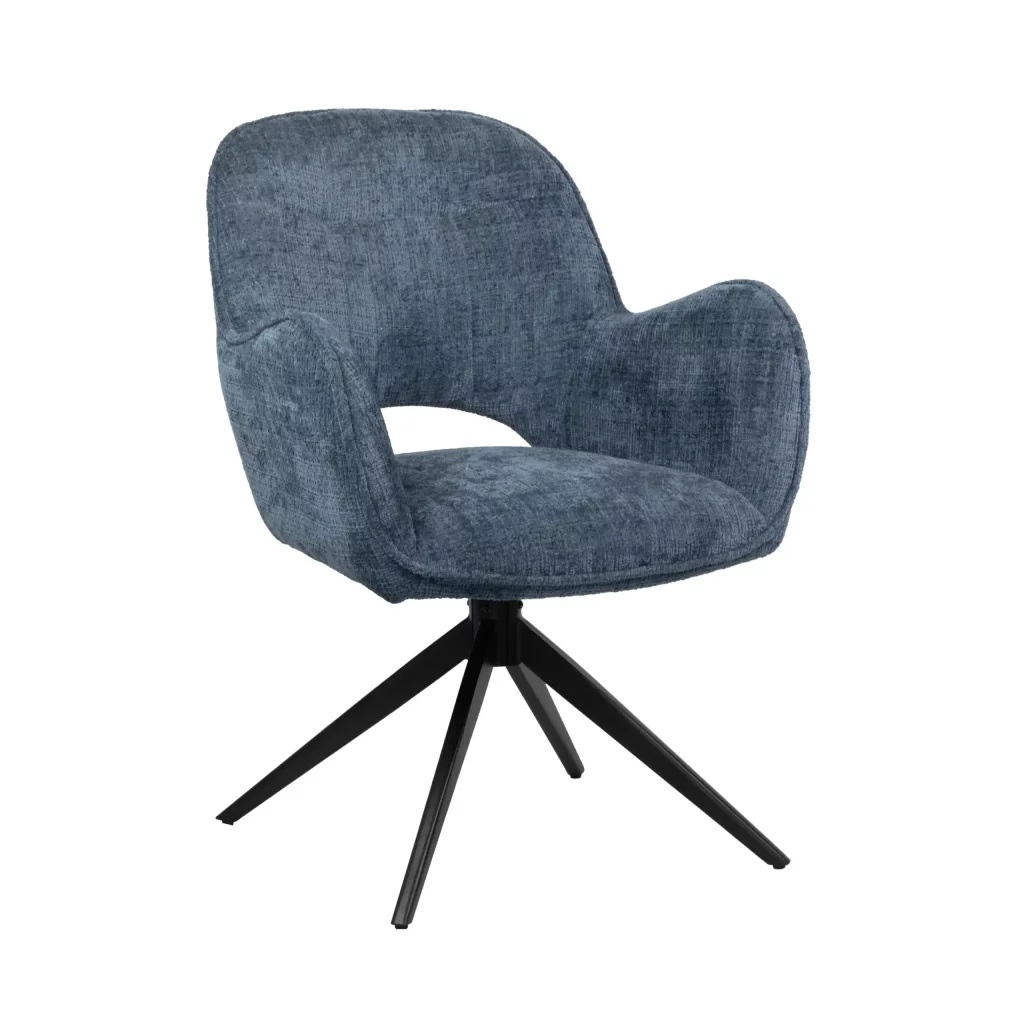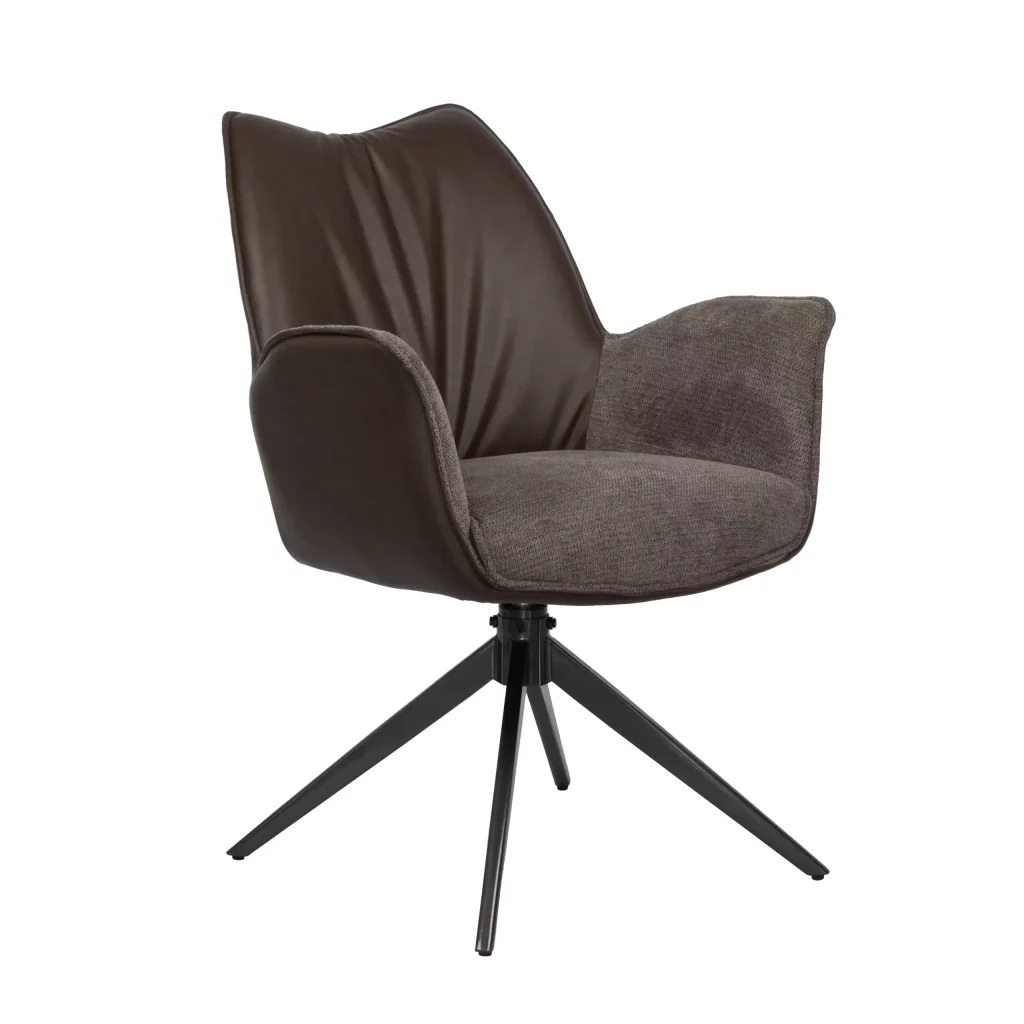

I would leave the saw in the cupboard. A rocking dining chair is a surprisingly poor witness to the length of its own legs. Put it somewhere else and it may stand quietly; remove a folded pad from underneath and the troublesome corner may change. Before deciding that a leg needs shortening, look at what is making contact and what is moving. A rigid chair rocking on the floor and a seat shifting over its base are two different events. Understanding the difference is more useful than trying a succession of things under one foot.
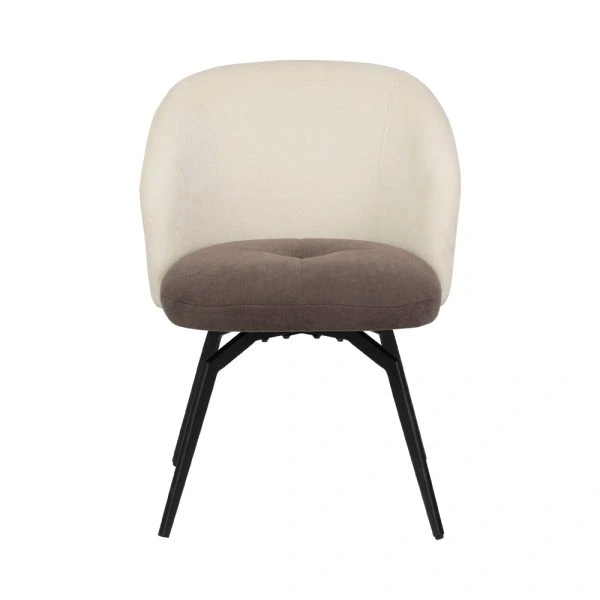
The extra complication of a fourth foot
There is an inconvenient geometric detail here. Three points, provided they are not in a straight line, define a plane; a fourth has to agree with it. On a rigid chair, the four contact points may fail to agree with the surface beneath them. A corner is left clear. With a gentle touch, a different corner can take its turn in the air. The rocking is that change of contacts, not necessarily anything coming loose.
This does not mean three-legged furniture cannot tip. Tipping is a different question, involving the position of the load relative to its support. Here we are considering the smaller motion of an empty four-leg chair whose feet cannot all settle together. Nor does the geometry prove that any particular chair is sound. It explains one possible source of movement, nothing more.
A tiled floor makes the idea easy to picture. One foot might stand near a raised edge while the others rest on slightly different levels. Move the chair and the arrangement changes. The chair has not acquired a longer leg during the move; it has encountered a different collection of heights underneath.
A rug edge can do the same sort of thing much more visibly. Two feet on the rug, two off it, and the support is no longer the simple flat surface we had in mind. Before blaming the furniture, it is worth looking down.
The length you need is not just the length of the leg
Suppose someone has added felt pads to protect a wooden floor. Later, one pad comes away and is replaced by a thicker one. The wooden or metal legs remain as they were, but the distance to the floor has changed at one corner. There may even be two pads stuck together there, the older one hidden beneath the newer one.
That is why I would inspect the contact surfaces as a set. A missing glide, trapped debris or folded pad can contribute to the gap. Looking only at the foot that lifts can be misleading: an alteration elsewhere may be keeping it off the floor.
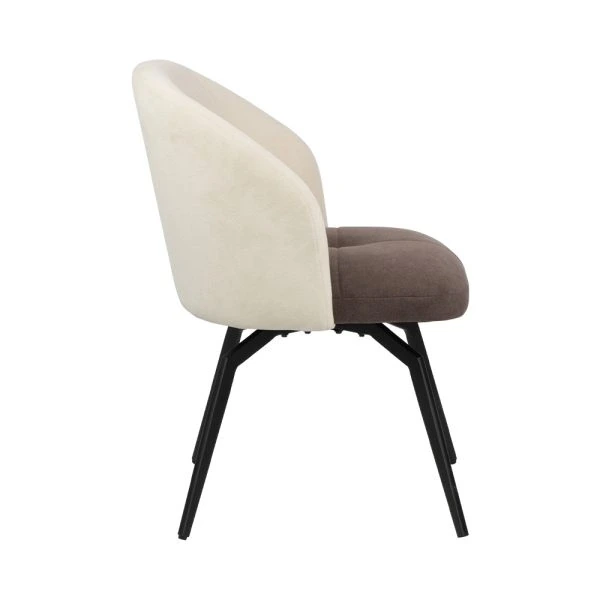
The HTC0553 dining chair provides a clear view of four separate legs below the seat. When describing a problem, separate those legs from whatever is attached at their ends. “The cap is missing” gives a supplier a very different starting point from “the leg is short.” Appearance alone cannot establish which replacement cap is suitable or whether this model has any adjustment.
One chair and two places
There is a modest comparison I would make before finding tools, provided the chair shows no damage. With it empty, gently observe the rocking in one place and then on another firm, flat area away from a rug edge. If another chair is available, try that in the first place too. You are changing the surroundings and the object separately.
If both chairs dislike one patch, the patch becomes interesting. If only one chair rocks wherever you put it, that chair deserves a closer look. This is useful evidence, although it cannot rule out a second problem. An uneven floor does not prevent a joint from also being loose.
Watch the shape as well as the feet. In the simple contact problem, the chair tips as a unit. At a loose connection, two adjoining parts can change position relative to each other. Nobody needs to sit on it to exaggerate the effect. Visible cracking, a bent part or a joint opening is enough reason to stop and leave the chair out of use for assessment.
The floor cannot explain a seat shifting over a still base
Picture the feet staying where they are while the seat moves slightly above them. Adding packing underneath seems a rather odd response now. The movement you want to address is inside the assembly.
A connection is meant to hold components in a particular relationship. If it permits unintended movement, the frame gains a way to shift without any foot needing to leave the floor. This is the distinction that gets lost when every complaint is called “a wobbly leg.” The leg may be involved, but the fault may be where it attaches.
I would open the assembly sheet at the drawing of the offending connection. Which bolt belongs there? What should be beneath its head? Is the part seated where the drawing puts it? That is a better use of the instructions than searching only for the final picture. Use the tightening method and any torque specified for this model. A harder turn will not supply a missing washer, and excessive force risks damaging the thread or the material around it.
A screw that turns without securing its connection has told you something. So has a joint that stays loose after the allowed adjustment. I would report either result rather than improvise with a larger tool. Repeated movement returning after adjustment is worth reporting too; it should not quietly become a weekly chore.
Different connections hide beneath similar upholstery
A traditional glued wooden joint depends on mating surfaces and an adhesive bond. If it opens, there may be no screw waiting for attention. Glue smeared around the outside may not restore the surfaces that actually need to hold. Repair can require disassembly, preparation and restoration of the fit, which is work to discuss with a furniture repairer.
A metal frame can have bolted attachments, welded connections or both. A bent member or damaged weld calls for assessment with the chair kept out of use. Restoring the visible outline by bending it back would not, on its own, establish that the structure was sound.
So “wood versus metal” is not the most useful dividing line when investigating a wobble. I would ask what kind of connection is at the place that moves. It is quite possible for two chairs with similar seats and leg shapes to require different answers underneath.
Describing a swivel without calling everything a wobble
Imagine reporting that your swivel chair moves when you turn towards somebody. The person answering will need another detail: what sort of movement? Turning around the intended axis belongs to the design. A seat tilting unexpectedly at its attachment is another observation altogether. The word “moves” has hidden the distinction.
I would describe a new clunk or unfamiliar sideways play in much the same way. Say where it seems to occur and ask about the mechanism fitted to that chair. Guessing an acceptable allowance from the shape of the base would not help. In the dining chair collection, pay attention to the underside as well as the upholstery when comparing designs; you are also choosing an arrangement of fixed or moving parts.
The chair that becomes quiet for the wrong reason
There is a temptation to regard silence as success. Fold a piece of card, push it into the gap, and the tapping stops. At that point you know that changing contact at the foot affects the symptom. You have not yet learned why the gap exists. Loose packing is also a poor permanent arrangement under furniture that is moved repeatedly.
A suitable protector can have a legitimate job on otherwise sound furniture with a minor contact mismatch. I would want the other checks completed before choosing it, though. If the seat is loose at a connection, the protector will never reach the place that needs repair. There is no useful amount of felt to add for that job.
Shortening a leg goes much further. Imagine making the alteration and then moving the chair to the other side of the room. You have brought the shortened leg with you while leaving the original floor irregularity behind. That possibility alone is a good reason to establish the cause and seek suitable guidance before cutting anything.
When asking hometree about a supplied chair, I would contact the team with the order reference and a sentence describing the actual motion: a foot lifts, a leg shifts at its attachment, or the seat moves above the base. Add the result of comparing positions with the chair empty. The enquiry then contains observations somebody can investigate, rather than a proposed repair they have to question first.
For a new order, raise the agreed assembly and stability checks during the product inspection process. Once delivered, the actual chairs still need checking. Knowing the names of the parts is helpful; knowing which parts move relative to one another is more helpful still.
FAQ
Can equal legs still produce a rocking chair?
Yes; imagine putting one foot on the edge of a rug. You have changed the support without changing a leg. A missing cap or a different pad can also affect the result. I would look at the whole route from frame to floor before measuring wood or metal alone.
Why does a chair behave differently after I move it?
I would take that as a reason to examine the two positions. Are all the feet on the same kind of surface? Is there a tile edge or local dip? The comparison gives you a lead, although a visible defect in the chair still needs attention wherever you put it.
Would adjustable feet solve it?
Only if the chair actually has that feature and the problem is one it is meant to address. I would check the instructions before undoing a threaded fitting. A screw thread can secure a fixed component too; it does not automatically offer permission to leave the component partly undone.
Is tightening always the right first repair?
I would first find out what is moving. There is no tightening step for a failed glue bond or a damaged weld. If the instructions identify a fastening adjustment, follow them for that model rather than assuming every chair uses the same sequence or amount of force.
When should I stop using the chair?
A crack, opening joint or other structural damage is enough reason to put it aside for assessment. I would do the same if the movement remains unexplained. “Only a little” describes what you can see, but tells you very little about what is happening inside the connection.