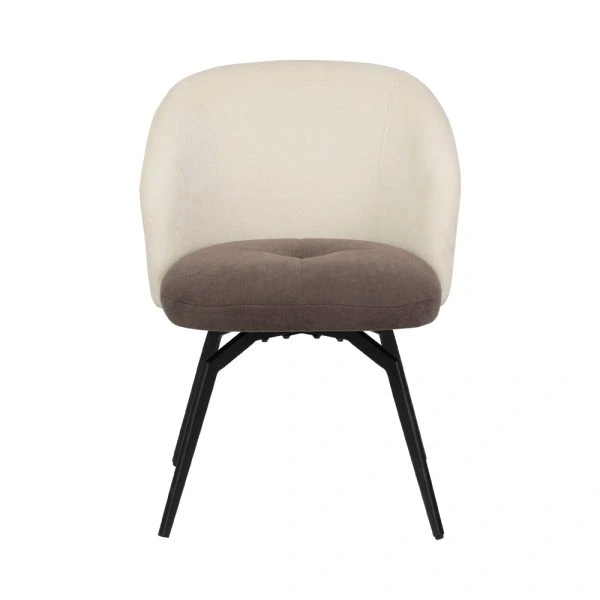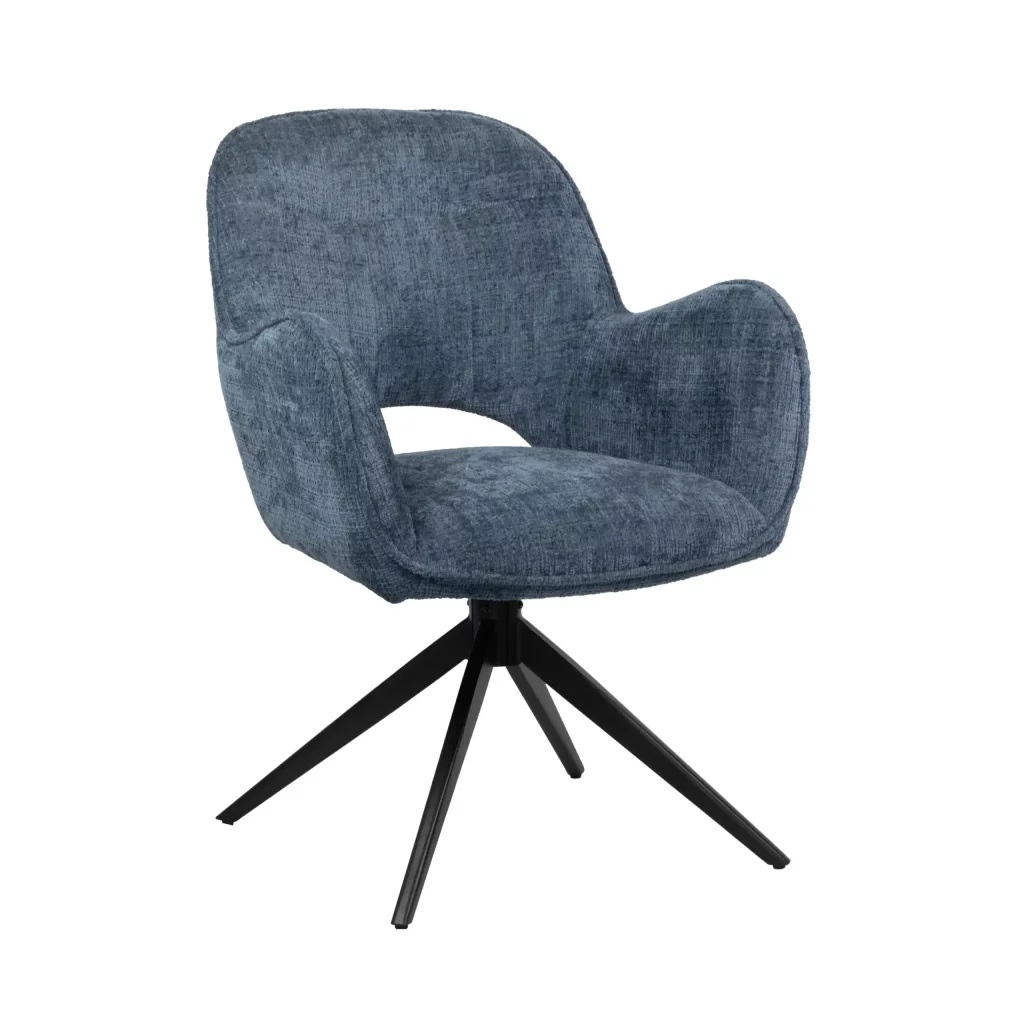

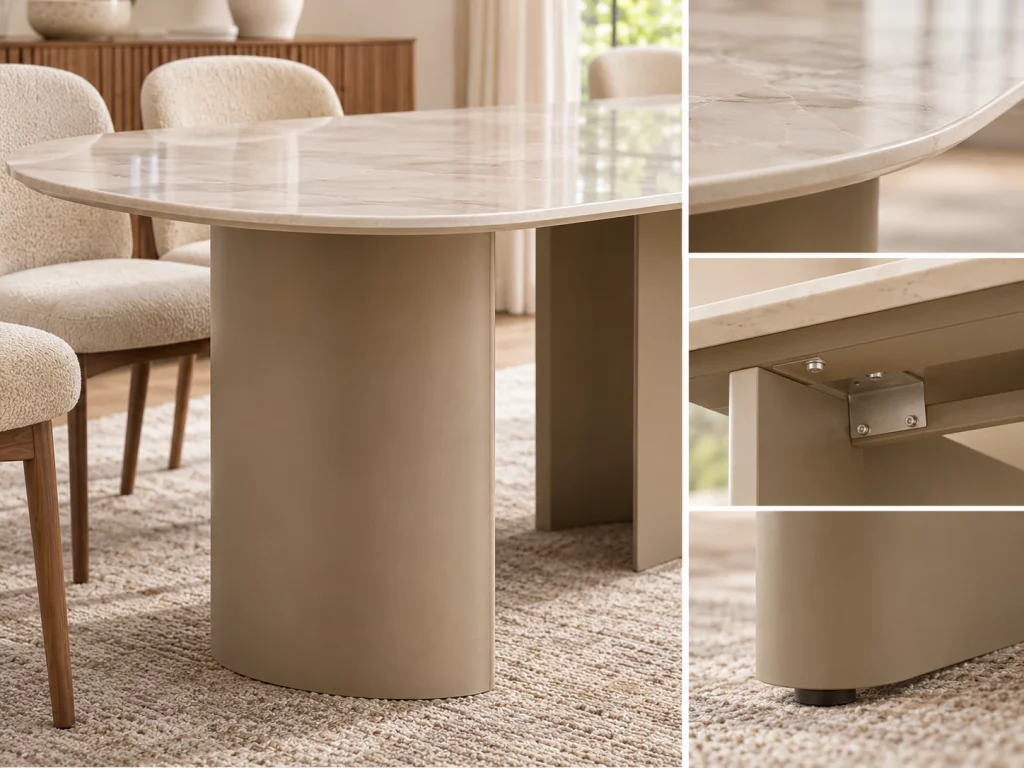
A dining table can combine a coated top, a metal base and adjustable feet. An upholstered chair may add fabric, foam and several different finishes. Giving either product a card that says only “wipe clean” leaves too much for the customer to interpret. Useful furniture care instructions identify the relevant surface, explain the approved method and provide a clear route for questions. For furniture retailers and sourcing teams, the work starts with confirmed product information before the care card is designed.

Start with the finished surface
The material name is a useful starting point, but it does not establish the cleaning method. Two products described as wood may use different coatings, and two fabric options may have different care requirements. Ask the supplier for instructions for the actual material and finish in the order. Keep those instructions tied to the product code and selected variant.
For example, a table sold in two top finishes may share one base and one product family name. If the care advice differs, the customer needs a way to identify which advice belongs to their table. A small finish reference in the order record or care card is more useful than a generic instruction covering every table in the collection.
Use the Hometree product range.
Divide mixed material furniture into care zones
Describe the tabletop, frame, upholstery and fittings separately where their care differs. The customer should be able to find the relevant surface without reading an engineering specification. A simple product drawing with numbered areas can help, provided those numbers match short instructions beside it.
Consider a dining chair with an upholstered seat and coated metal legs. Advice approved for the frame should not automatically be applied to the upholstery. The same principle applies to decorative trims, textured surfaces and exposed joints. Make each instruction specific enough to prevent a reader from transferring it to the wrong part.
Turn supplier notes into clear actions
Ask for the approved cleaning method, the products or processes to avoid, and any instructions for drying or routine maintenance. Preserve the supplier’s technical meaning when editing the wording for customers. If a concentration, contact time or method has not been confirmed, leave it for technical clarification instead of adding a familiar household recipe.
Replace vague language with the detail the supplier can substantiate. “Clean regularly” needs a method; “use a suitable product” needs a way to identify suitability. Do not promise stain resistance, disinfectant compatibility or easy repair unless those claims are supported for the specific finish. A care guide should communicate verified advice in ordinary language.
For a collection brief, review the design and development process.
Separate routine care from a repair request
A care card should help customers recognise when to ask for assistance. Persistent marks, a damaged finish or a loose component may need a different response from routine cleaning. Provide a contact route and tell the customer which product information will help the service team.
An initial enquiry can include the product code, finish name, purchase reference, a full product photograph and a close view of the concern. Asking for those details creates a useful record without assuming the cause. Keep repair instructions and warranty decisions within the applicable supplier or retailer process rather than placing speculative remedies on a general care card.

Keep one approved version across channels
The carton insert, product page, customer email and downloadable guide should point to consistent advice. Assign the care document a revision and record which products and finishes it covers. When a material or coating changes, confirm whether the instructions need to change as well.
A QR code can lead to the latest approved guide, but retain the version supplied with each order. That makes it possible to answer questions about an earlier delivery even after the website is updated. Give customer service access to the same record; a current product page alone may not describe a previous production version.
Build a concise care card
Use a short structure that customers can scan: identify the model and finish; show the relevant care zones; explain the approved routine; state confirmed restrictions; provide the support contact and document revision. Put the most frequent action near the beginning and move detailed background to a linked guide.
Before release, ask someone outside the product team to locate the instruction for one surface and explain the action in their own words. If they confuse the frame with the top or cannot identify the finish, revise the wording or illustration. This reader review checks clarity; technical approval must still come from the appropriate product or material source.
For related review points, see the product inspection information.
Use questions to improve the next edition
Log repeated care questions by model and finish. If customers keep asking whether a cleaning method is suitable, the guide may be missing a clear answer or a reliable contact route. Review that gap with the supplier before changing the wording.
Avoid responding to one unusual case by rewriting advice for the entire range. Establish which component and production version were involved. Over time, a record of actual questions can make care instructions more useful while preserving the distinctions between products.
Frequently Asked Questions
Can one furniture care guide cover a whole collection?
It can provide shared introductory advice, but each instruction must apply to the finishes and components it names. Where care differs between variants, make the difference visible. Keep a model and finish reference so the customer can find the correct section.
Who should approve furniture care instructions?
The product or material source should confirm the technical method for the supplied finish. The retailer can then edit for readability, translate the wording and check that the advice is consistent across customer channels. Clarify technical gaps before publication.
Should a retailer add cleaning advice from a similar product?
Similarity in appearance does not confirm compatibility. Obtain advice for the actual surface or coating rather than borrowing a method from another item. Where the answer is unavailable, direct the question to the responsible supplier.
What should a furniture care card include?
Identify the product and finish, distinguish care zones, explain the approved routine, state confirmed restrictions and provide support details. Include a document revision so the retailer can match the advice to the order.
Conclusion
Good furniture care instructions connect the product specification with the customer’s everyday routine. Confirm the advice for each surface, explain it clearly and keep the approved version available after delivery. For a new retail collection, include the care documentation in the product brief so it can be reviewed alongside the furniture itself.
To discuss the documentation and product details for your collection, contact the Hometree team