
The worldwide furniture business keeps changing. Coffee tables stay as a main group in sitting room sets. When getting supplies from global areas, China usually turns into the main pick. This happens because of its grown making setup and steady send out power. Yet, the true test comes in finding producers that can steadily fill hopes in quality, style, and sending.
Among skilled makers, Hometree shows as a kind of producer that blends lasting making background with a sharp aim on item growth. Its work goes back to 2010. It has joined big furniture shows over places like Guangzhou, Shanghai, Germany, and the United States. Such level of contact mirrors a skill to track world flows while keeping firm making. In real cases, these kinds of producers often match better with the wants of distributors, shops, and online sellers.
China’s spot in the furniture business rests on a full and joined supply line. From starting supply getting to end boxing, each part fits into a setup that lets quick wide-scale making. For coffee tables, this brings shorter wait times. It also allows dealing with varied item needs.
Making groups hold a part too. In spots like Guangdong, plants focus on different pieces such as metal frames, MDF panels, and outer treatments. These focused units team up. As a result, this boosts both speed and evenness. This setup lets producers answer fast to big runs without large holdups.
Another point is global area contact. Producers that often go to world shows tend to change their styles to fit shifting likes. This covers moves to simple looks, multi-use furniture, and small builds fit for city living spots.
What are the reliability standards for China coffee table suppliers?
Picking a producer needs care for several main points. Background counts as one. However, it should gain backing from ordered work. A plant with set groups for style, sample building, making, and quality oversight often brings steadier outcomes.
Hometree gives a sample of this setup. Its sample group checks item safety and framework before making starts. The making group splits jobs into focused steps. These include metal building and boxing. Such division aids in keeping speed. At the same time, the quality oversight group reviews each part. This confirms that items fill set rules.
Quick answer also shapes teamwork. A producer with a skilled sales group can turn needs into plain making guides. This cuts mix-ups. It also betters full speed. In lasting ties, this kind of joining grows more key.
Supply picking has a straight effect on item work and area placing. Coffee tables see regular use. Thus, lasting power and care needs stand as vital thoughts.
Usual supplies cover full wood, MDF, metal, and toughened glass. Each brings varied gains. Full wood gives true feel and power. But it needs right damp handling. MDF offers even outer and firm build. This makes it fit for current styles. Metal frames raise lasting power. This holds true especially when pipe width hits 1.5 to 2.0 millimeters. Such width greatly betters weight-holding skill.
Based on set making rules, toughened glass sees wide use for table tops. It proves far stronger than normal glass. It also stays safer when it breaks. On top of that, clay outers grow in like due to their guard against heat and marks.
Lasting green ways form another side that shapes buying choices. Using FSC-checked wood and reused supplies aids in cutting area harm. At the same time, it fills world needs. This path grows more usual among makers that send to many places.
Style skill holds a main part in producer rivalry. It sets if an item can fill area want while staying useful for making.
An ordered style method often starts with idea growth. Then comes 3D shaping and real sample building. Each part brings changes to looks, framework, and supplies. This method aids in finding possible problems before wide making starts.
Hometree stresses this way by blending style know-how with sample skills. Its style group grows items based on area flows. The sample group polishes framework points. This joining lets new styles move quick into making. It does so without harming quality.
Well-styled items often look plain. However, they show many rounds of polish. This level of ready work cuts the chance of flaws. It also betters making firmness.
Quality oversight grows more key as making amount rises. One flaw can touch many units. This may bring higher costs and holdups.
A full quality oversight setup starts with starting supplies. Supplies face checks before leaving their makers. They get checked again when reaching the plant. During making, forms and size tools keep build care. This often stays inside a limit of ±0.5 millimeters.
Outer quality gets close watch too. Items must lack marks, spots, or clear flaws. Color evenness checks against set guides. Framework parts test for firmness.
End review makes sure that boxing fits send needs. It also guards the item in travel. These steps cut the danger of harm. They help keep item wholeness over the supply line.
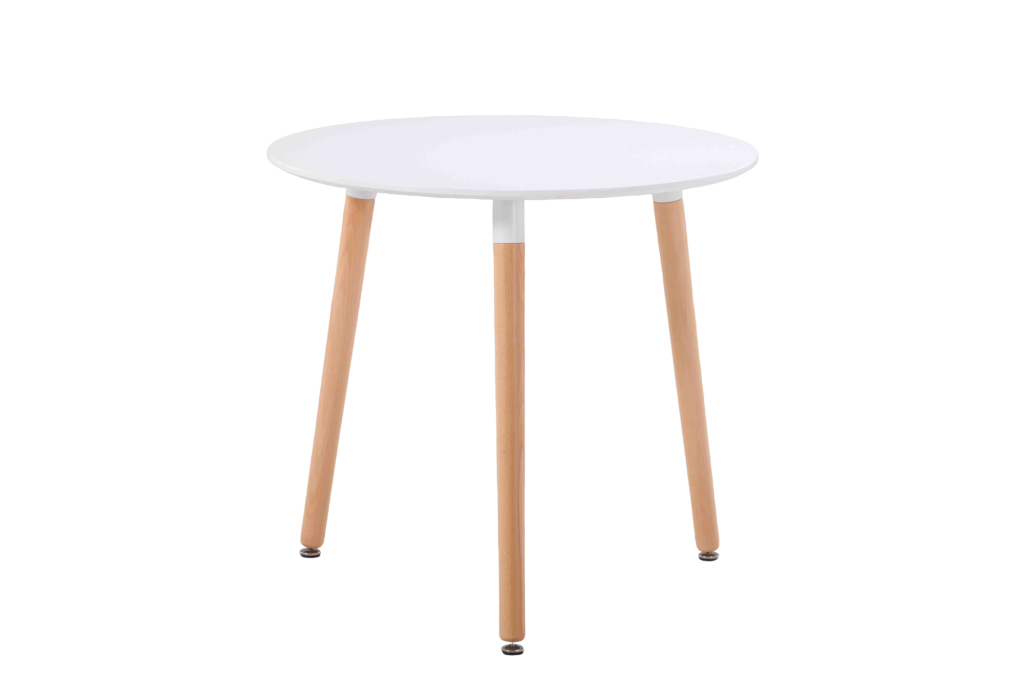
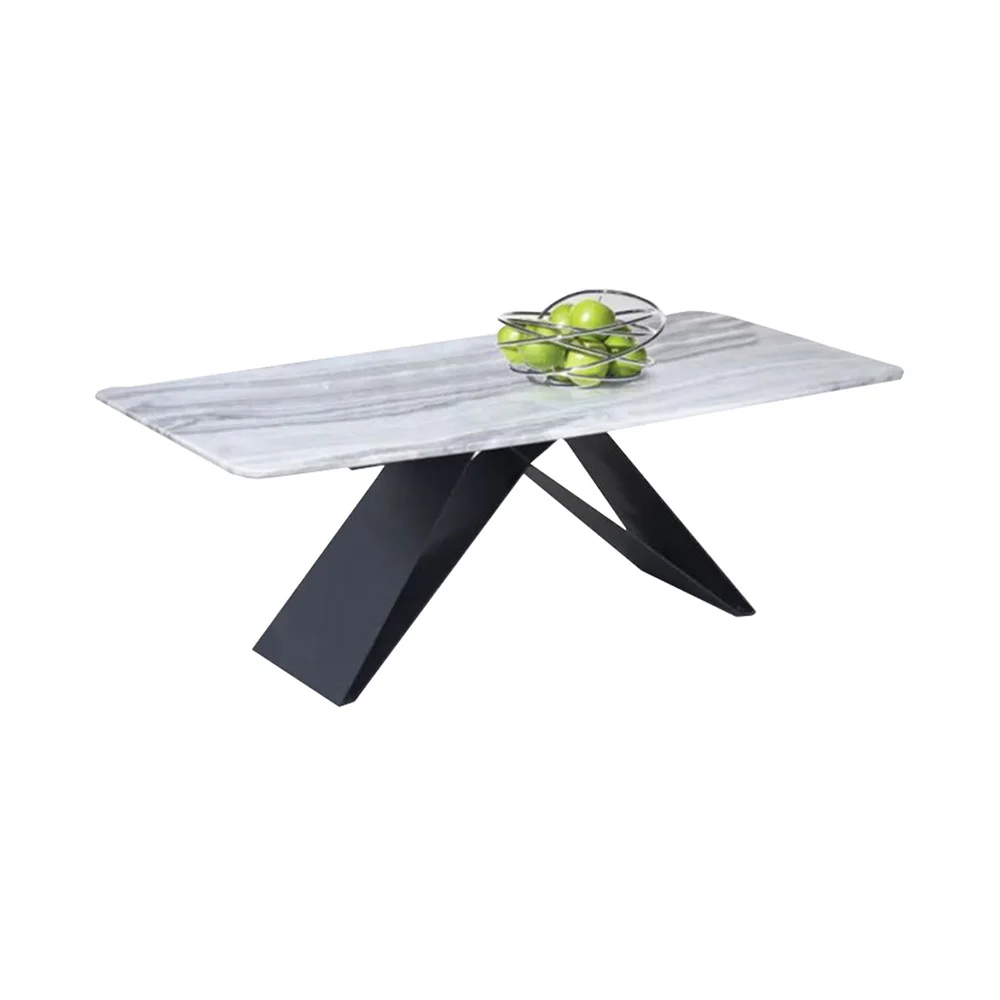
The HTT0120 coffee table shows evenness between style and work use.
This item blends current looks with lasting supplies. As such, it fits varied inner styles. Its build backs long use. Meanwhile, its style lines up with now area likes. The mix of sight pull and real use makes it changeable for home and business spots.
From a making view, the HTT0120 shows how set parts can back quick building. Its style skips needless hard parts. This aids in holding evenness over big runs. Such point proves very key for buyers who need steady quality over many sends.
Forming lasting teamwork needs more than one good run. It calls for steady talk, plain hopes, and shared change skill.
Tailor skill counts as one main point. Producers that give block style fixes can change items based on set needs. They do this without greatly raising making time. This bend proves useful when aiming at varied areas.
Send firmness forms another main thought. Quick making plan setups aid in keeping steady times. This holds even for big runs. In many cases, a making round of 30 to 45 days counts as usual for bulk furniture building.
After-send aid also holds a part in lasting teamwork. Producers with set help groups can answer fast to problems. They give fixes that cut work dangers. Over time, this level of aid makes the tie stronger. It also betters full speed.If you’re looking for a reliable coffee table supplier, understanding the background, material choices, and production capabilities of different suppliers can help you make an informed decision. Feel free to contact us if you have any questions or need further assistance!
Q1: How can a coffee table supplier’s reliability be evaluated?
A: Pay attention to making background, group setup, quality oversight setups, and quick answer. A well-put plant with plain steps often brings steadier outcomes.
Q2: Which materials are most suitable for coffee tables?
A: MDF, full wood, metal, and toughened glass see wide use. The pick rests on the aim area, price level, and lasting power needs.
Q3: How long does it take to produce coffee tables in bulk?
A: The usual making round spans from 30 to 45 days. This varies by run size and item hard parts.
Q4: Why is design capability important in furniture sourcing?
A: Firm style skill lets items match area flows while staying fit for wide making. This cuts dangers during building.
Q5: What factors support long-term cooperation with suppliers?
A: Steady quality, firm sending, good talk, and tailor skill stand as key for forming lasting ties.