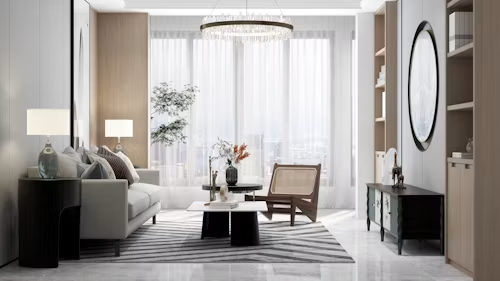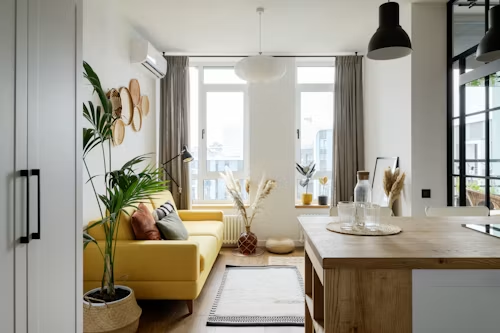

While appearances can be deceiving, good restaurant furniture must balance style and durability while fitting within a restaurant’s floor plan. It must be easy to clean on a daily basis, stable during peak times and after prolonged use still be comfortable for guests. A table that looks great in a catalog, for example, can end up being too large for a particular area once chairs, guests and servers have been added to the equation.
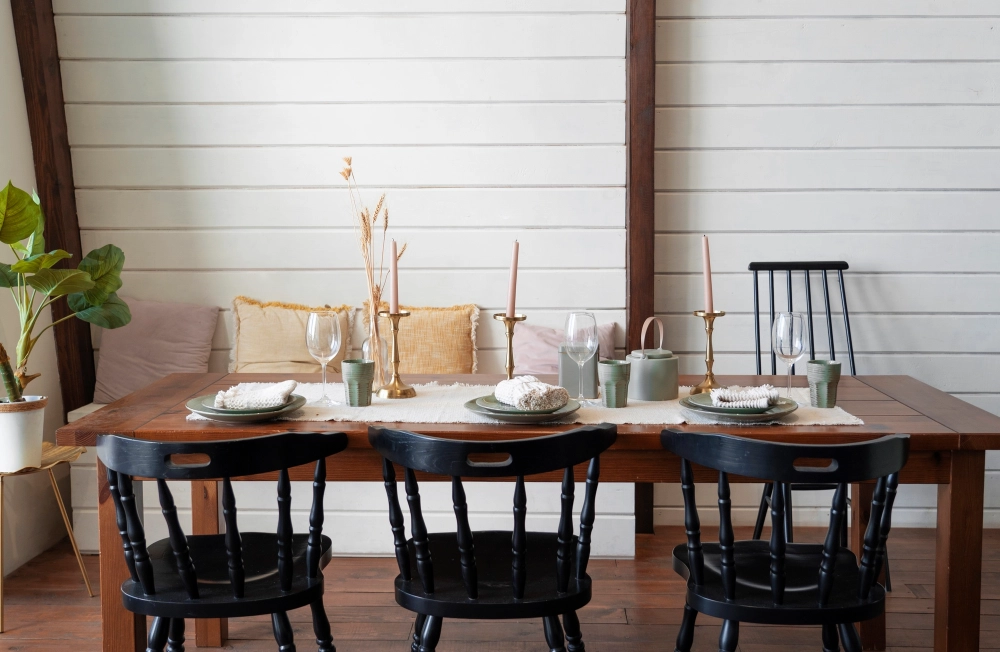
Treat the purchase as seven checks: restaurant concept, daily use, layout, dimensions, materials, comfort and stability, and bulk-order terms.
Hometree has worked in furniture manufacturing since 2010. The various departments focus on designing, creating prototypes, producing, checking for quality and selling dining and living room furniture, including custom work for specific projects. From drawings and samples, the products are then put through a series of checks, including a review of the structure, materials, packaging and production processes, before being produced on a large scale.
What Should You Check before Choosing Restaurant Furniture?
Your first decision should come from the way the restaurant operates. Color and style matter, but they should follow the service model.
Match Furniture to Your Restaurant Concept
A fast-casual restaurant usually needs compact tables and easy-to-move chairs. A café may need softer seating because guests stay longer. A formal dining room can use richer materials, but staff still need enough room to serve.
Do not copy a look without checking how it fits your business. A wide chair may reduce capacity across the dining floor. A narrow table may save space but leave too little room for shared dishes and tableware.
Consider Daily Use and Customer Turnover
During one working day, plates are placed down, drinks spill, tables are wiped, and furniture may be moved several times.
Durable restaurant furniture should match that workload. High-turnover areas need surfaces and structures that cope with frequent use. Low-use areas may allow more decorative choices.
How Do Layout and Size Affect Restaurant Furniture Choices?
Once the use is clear, move to the floor plan. Product dimensions only tell part of the story because the table, chair, guest, and serving route share the same space.
Plan Tables, Chairs, and Walking Space Together
Measure the usable area. Columns, doors, counters, and service stations reduce seating space. Add chair depth and pull-out space to the table size, then check whether staff can pass while carrying dishes.
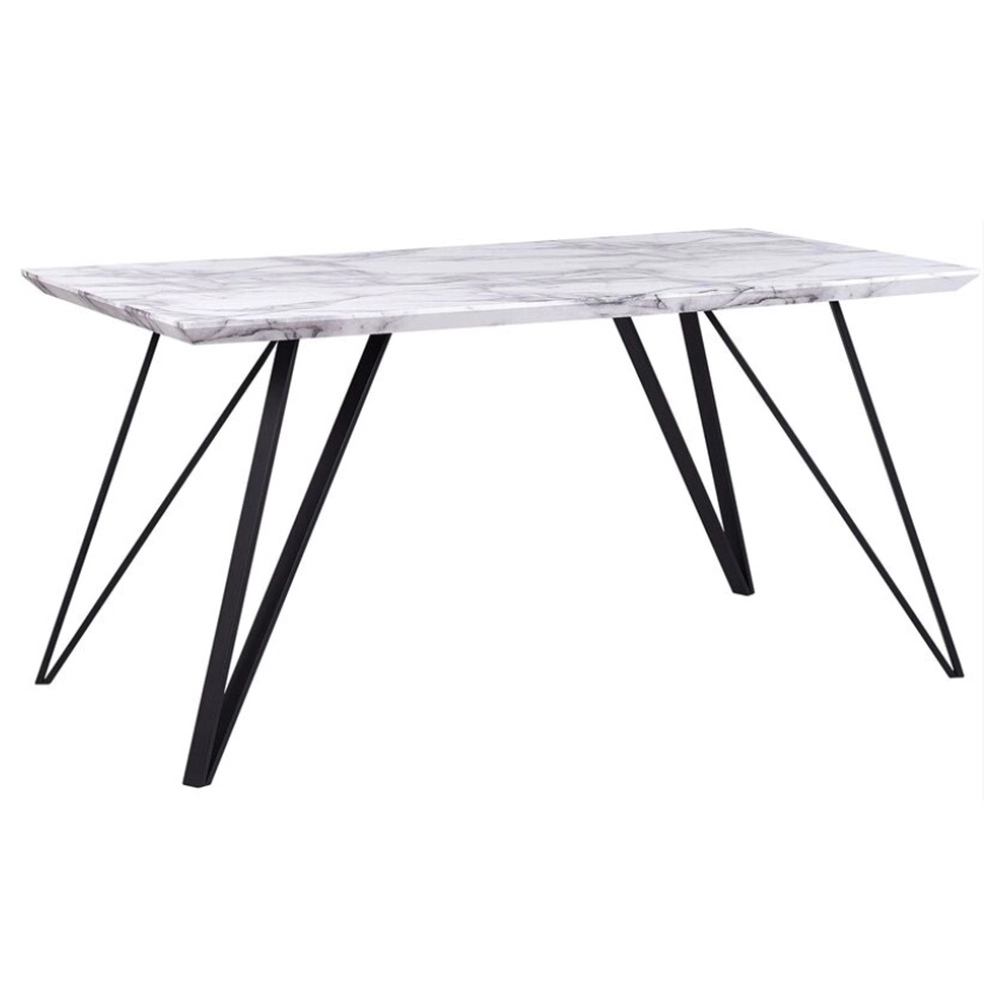
The Dining Table HTD0134 measures 120 × 80 × 75 cm. Its rectangular form is easy to place along a wall, in rows, or beside another table for a larger group. Before ordering, test the leg gap with the chairs you plan to use.
Balance Seating Capacity with Customer Comfort
By sitting too close together, tables can make guests feel that they are being crowded and slow down the service to them. Tables that are too large reduce the business’ capacity.
Check table height against chair seat height. Also look at the width between table legs. A table can have the right top size yet still feel cramped if the base takes up too much legroom.
Which Materials Work Best for Durable Restaurant Furniture?
Choosing the right materials for durable yet stylish furniture affects cleaning, weight, appearance, lifespan, and price. No single material suits every restaurant.
Compare Tabletop Materials for Daily Use
Wood and wood look surfaces can add warmth to a surface. However, the finish must also be able to withstand wiping and spills. MDF allows for flexible shapes and finishes but edge treatment must be of a high standard. Glass surfaces keep rooms visually open but require more cleaning than other surfaces.
Ceramic and sintered stone suit projects that need a clean look with resistance to heat and scratches, but the final result also depends on materials and craftsmanship. Metal works well for frames when welds, joints, and coating are properly controlled. The official furniture material guide covers wood, metal, glass, MDF, foam, PU, fabrics, and other options.
Evaluate the Sintered Stone and Metal Structure
Dining Table HTD0134 uses a sintered stone tabletop with a metal base. Modern dining spaces with a stone-look surface and a clear geometric frame are best equipped with this combination of tabletop and chair. The 120 x 80 cm tabletop is suitable for small dining areas where two people or four people can sit at the table, depending on the chairs.
Ask for the finish sample, edge detail, color reference, hardware, assembly method, and load requirements. A proper design and development process should review structure, components, packaging, and mass-production needs before production.
How Can You Compare Comfort, Stability, and Maintenance?
A restaurant table should be checked as part of a complete set. Testing it with the actual chairs and tableware will show problems that a product photo cannot reveal.
Check the Complete Table-and-Chair Combination
Place real chairs around the sample table. Sit down, stand up, move the chair back, and check whether knees or feet touch the frame. Wide chairs can reduce usable space, while angled legs may affect where guests sit.
This quick test shows whether the height feels natural and whether staff can reset the table easily. Comfort and durability should be checked together.
Inspect Stability and Daily Maintenance
Push the table lightly from several sides. Check the tabletop connection, leg alignment, fasteners, welded areas, and floor contact points. A table that rocks on a flat surface should be corrected before production.
Cleaning should also be simple. Smooth surfaces, clear edges, and reachable frame areas save time. The product inspection process should cover dimensions, color, surface treatment, fittings, cleanliness, hole positions, and packaging protection.
What Should You Verify before Placing a Bulk Order?
A good sample is only the starting point. Bulk buying depends on whether the same dimensions, finish, color, and packing can be repeated across the full order.
Approve the Sample and Production Standards
Use the approved sample as the production reference. Record the tabletop pattern, metal finish, size, edge treatment, hardware, labels, carton marks, and assembly instructions.
Ask how incoming materials and finished products are checked. Clear tolerances and prepared molds help keep drilled and cut parts consistent. When a table arrives in separate cartons, the packing list should be easy to follow.
Confirm MOQ, Packaging, Delivery, and Repeat Orders
Dining Table HTD0134 has a listed MOQ of 50 pieces. One table is packed in two cartons, with a stated volume of 0.087 m³. These details affect freight, warehouse space, site handling, assembly, and opening stock.
Ask about production time, replacement parts, repeat orders, and possible material changes. The wider Hometree furniture collection can help when you need matching tables, chairs, armchairs, or stools for one project.
Which Restaurant Furniture Buying Mistakes Should You Avoid?
Most expensive mistakes happen because one detail was checked while another was ignored. A short restaurant furniture buying checklist helps keep the full order in view.
Do Not Choose Furniture from Appearance Alone
Do not approve a table only because the finish matches the mood board. Check dimensions, chair clearance, base position, cleaning method, and packing data. Freight volume, assembly, damage risk, and replacement costs can change the final result.
It is also risky to approve one sample without setting mass-production standards. Small differences in color, pattern, hole position, or hardware become obvious across a full dining area.
Use a Final Seven-Point Check
Before placing the order, confirm the restaurant concept, daily use, layout, dimensions, materials, comfort and stability, and bulk-order terms. When one point is unclear, ask for a drawing, sample, test, or written confirmation.
Dining Table HTD0134 works well as a reference because its size, materials, MOQ, packing, and volume are clearly listed. Review the furniture FAQs, then use the official contact page to request specifications, samples, quotations, service support, and order planning.
Conclusion
The best restaurant furniture is the furniture that fits your actual service. Start with the floor plan and customer stay time. Then check size, materials, stability, cleaning, production standards, and order terms.
Dining Table HTD0134 is a practical option for buyers who want a modern rectangular table with a sintered stone top and metal base. Its listed dimensions and purchasing data make it easier to evaluate for a real project.
FAQ
What Should You Look for in Quality Restaurant Furniture?
Check the dimensions, materials, structure, stability, cleaning needs, packaging, production consistency, and repeat-order support.
Which Materials Are Best for Durable Restaurant Furniture?
The right choice depends on daily use, but sintered stone, metal, wood, MDF, glass, PU, and fabric can all work when their finish and structure suit the restaurant.
How Do You Choose the Right Restaurant Table Size?
Measure the usable floor area, chair depth, pull-out space, staff routes, and distance between table groups before confirming the size.
Is Dining Table HTD0134 Suitable for Restaurant Projects?
It can suit modern restaurant layouts because it has a 120 × 80 × 75 cm rectangular form, a sintered stone tabletop, a metal base, and clear bulk-order data.
What Should You Confirm before Ordering Restaurant Furniture in Bulk?
Confirm the approved sample, material specification, finish, dimensions, MOQ, packaging, delivery time, inspection method, spare parts, and repeat-order terms.