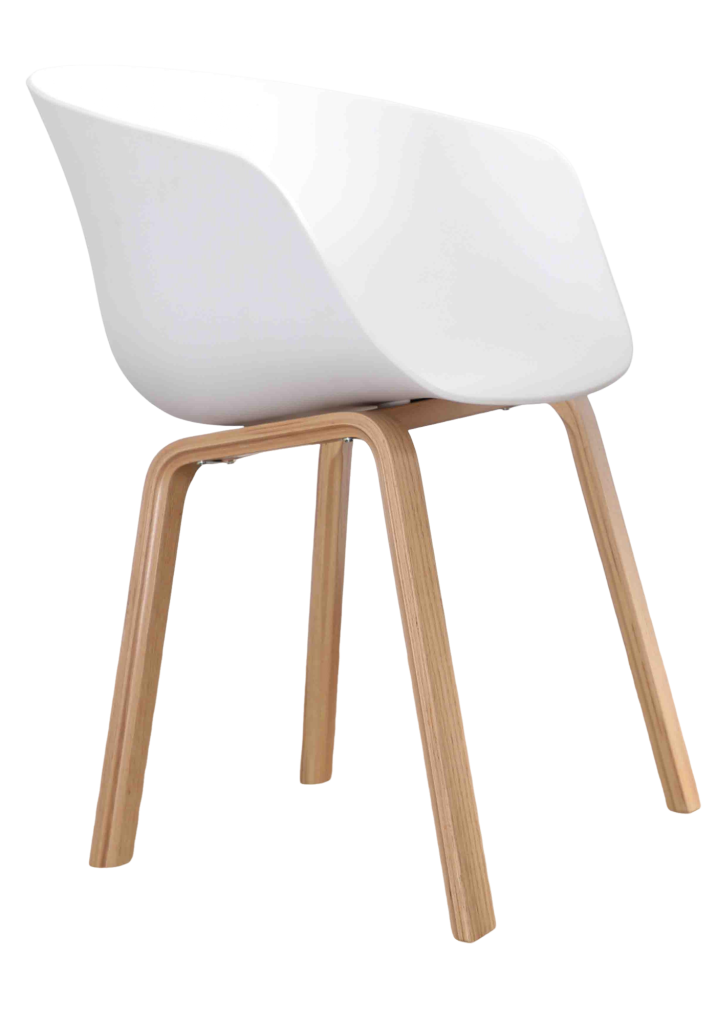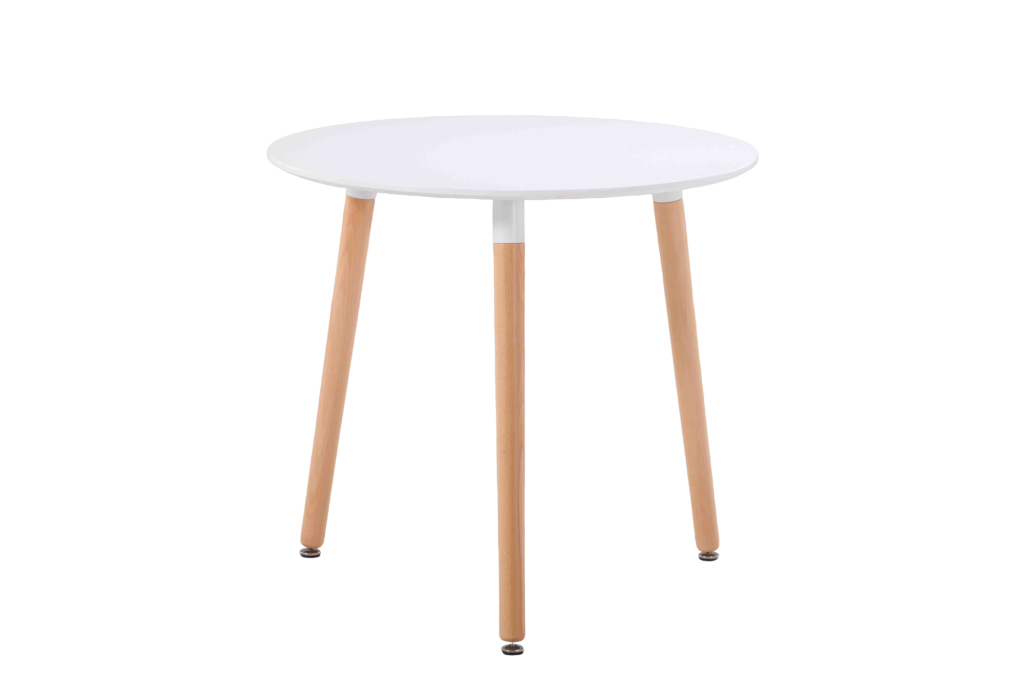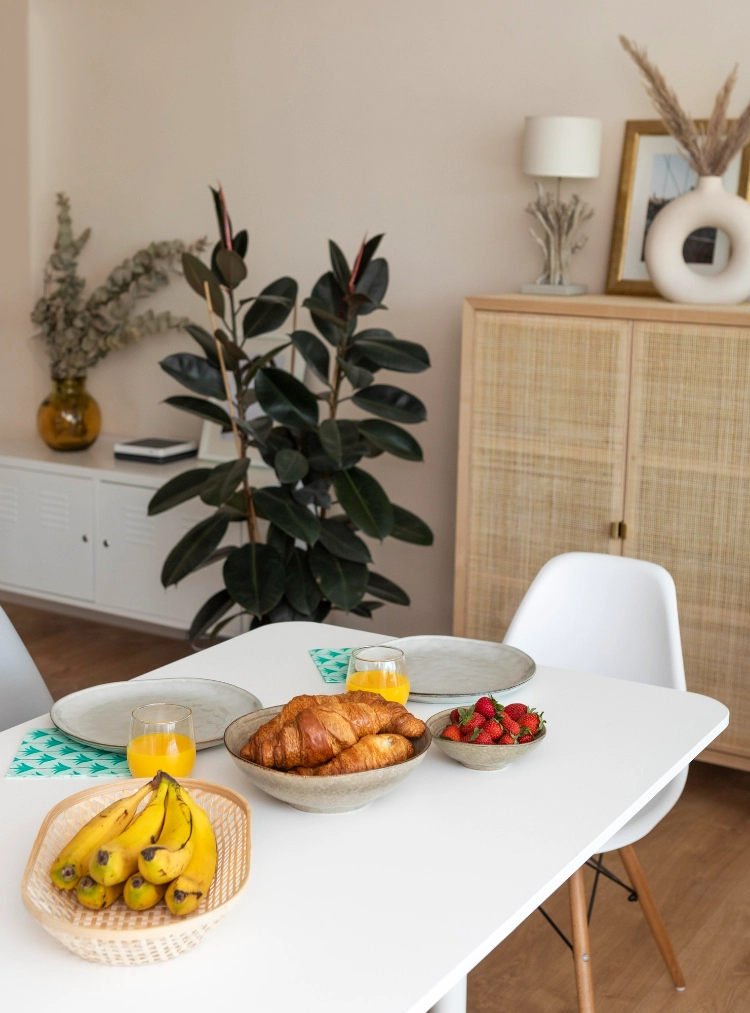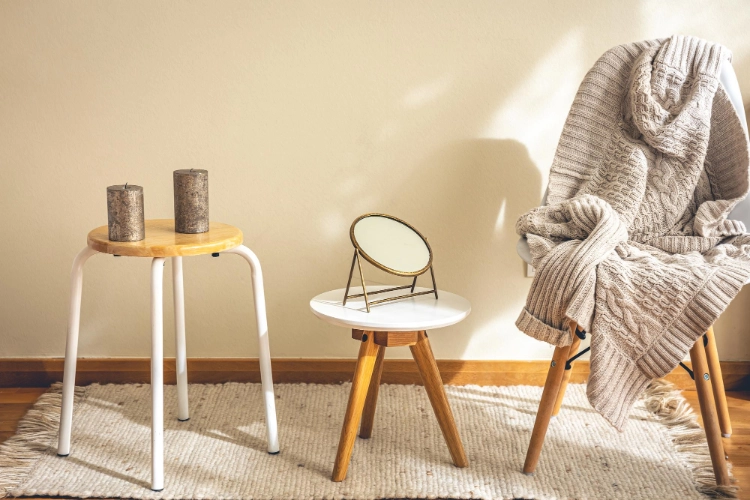

Bespoke dining and living room furniture is no longer something only high-end projects ask for. More buyers now want tables, chairs, coffee tables, sideboards, and matching sets that fit a real market, not just a catalog page. If you are buying for a restaurant, retail store, hotel project, or home furniture brand, custom design can help you avoid the sameness that makes products hard to sell.
For buyers sourcing from China, Hometree is a practical partner to know. The company has operated a furniture factory since 2010 and focuses on living room and dining room furniture. It works as a full supply chain furniture export service provider, covering design, prototyping, bulk production, quality inspection, and export support. What makes it useful for overseas buyers is not only the product catalog. It is the way one team can move your idea from a drawing or reference photo into a sample, then into stable bulk production. The factory has its own design team, skilled sample makers, production departments, quality control staff, and sales service team. That matters when you do not want to explain the same project five times to five different vendors.
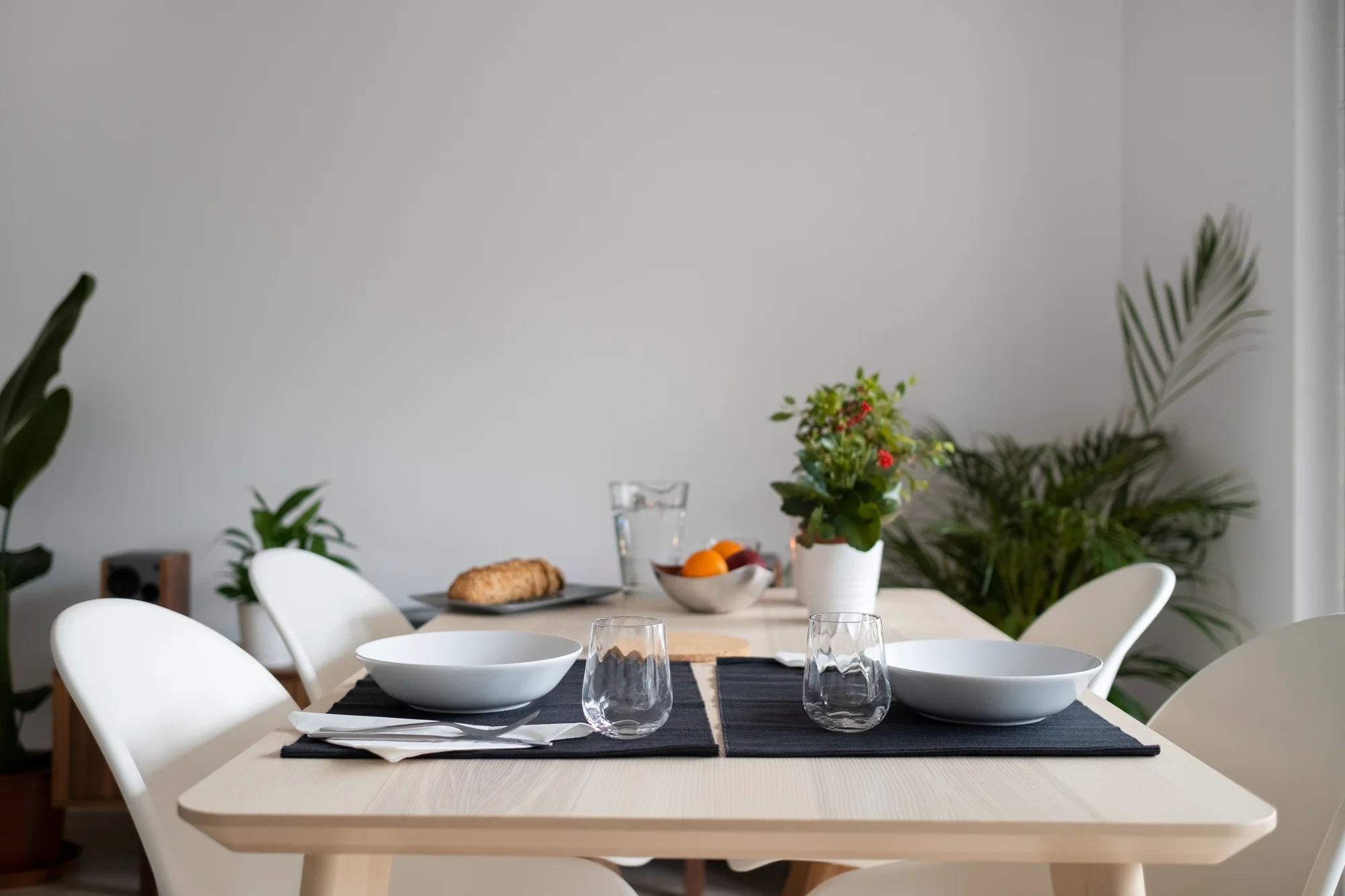
Standard furniture still has its place. It is fast, easy to quote, and often cheaper at first. But many buyers find that standard pieces do not always fit their target customers. A restaurant may need a stronger table base. A furniture retailer may need a more attractive tabletop finish. A home brand may need one style to run across dining tables, chairs, coffee tables, and TV stands.
For dining and living room furniture importers, custom design gives more control. You can adjust size, material, color, packaging, and price level before the product reaches the market. That is better than buying whatever is already available and hoping it fits your sales channel.
A product that sells well in one country may not work in another. Some buyers like glass and metal. Some prefer warm wood-look surfaces. Some need compact packaging because shipping cost is tight. Others care more about a strong visual effect for showroom display.
This is where custom work becomes useful. Instead of choosing a table only because it looks nice, you can ask whether the size fits your dining area, whether the color matches your chairs, whether the package is safe for export, and whether the factory can repeat the same finish in bulk.
Many sourcing problems start from unclear decisions. The buyer chooses a product too quickly, then later asks for changes after the sample is made. Or the supplier makes a beautiful sample, but the structure is not suitable for mass production.
A better process starts with design discussion, sample testing, material review, and clear production standards. The factory’s design and development process is worth noting here because it moves from design drawings to 3D models and then to physical samples. During that stage, the product can be checked for appearance, materials, structure, components, color, packaging, and production fit.
Custom design does not always mean making something strange or expensive. In many cases, it means taking a proven product direction and making it fit your target market better. That could be a different tabletop, a more stable leg structure, a lower carton volume, or a color that matches your best-selling chair series.
This is especially important when you build a dining and living room furniture line. One item alone may look fine, but buyers usually sell or display furniture as a set. A dining table should match the dining chairs. A coffee table should sit well with the loveseat. A side cabinet should not look like it came from another supplier.
A nice design is not enough if the factory cannot produce it again and again. The real question is simple: can the sample become a bulk order without too many changes?
A reliable manufacturer should think about cutting, drilling, welding, surface treatment, assembly, and packaging from the beginning. For example, a glass table may look light and premium, but the edges must be safe. A metal base may look slim, but it must stand steady. A tabletop finish may look good in photos, but it should handle daily use.
Material is one of the first places where buyers can make better choices. Wood and MDF can bring warmth. Metal and stainless steel can support modern shapes. Glass can make a dining space look more open. PU, leather, velvet, colorful fabric, and high-density foam matter when chairs and upholstered products are part of the same order.
The factory’s material control information shows a wide range of options, including wood, MDF, metal, stainless steel, glass, leather, PU, fabrics, velvet, flexible foam, and eco-friendly plastic pellets. This gives buyers more room to build different product levels instead of forcing every design into one material choice.
When you plan a dining series, you often need one piece that creates the main visual point. For many spaces, that piece is the dining table. Dining Table HTD0153 is a good example because it has a clear glass top and a gold curved stainless steel base. The product size is Φ120*75cm, with a glass and stainless steel material structure, and the MOQ is 50pcs.
This table is not a heavy-looking traditional dining table. It feels lighter because of the glass top, while the gold curved base gives it a stronger decorative look. For buyers who sell to modern homes, boutique dining rooms, stylish apartments, or small restaurant spaces, this kind of table can act as the center of the room.
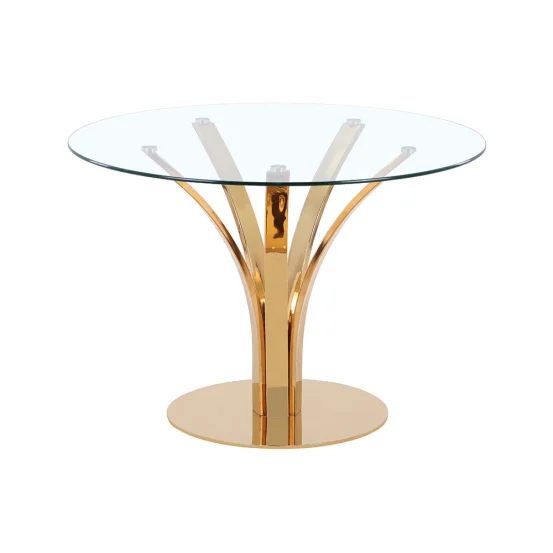
A round glass dining table can make a room feel more open. It also works well in smaller dining areas because the shape is softer and easier to move around. The gold base adds a more polished feel, so the table does not look plain even with simple chairs.
For a dining and living room furniture set, this type of product can be used as the visual anchor. You can match it with light-colored dining chairs, black metal chair legs, velvet seats, or PU upholstery. If the buyer wants a cleaner home collection, the same design direction can be extended to coffee tables, side tables, cabinets, and TV stands.
HTD0153 can also work as a starting point for custom development. You may like the glass top but want a different base color. You may want to adjust packaging for your shipping method. You may want matching dining chairs or a side cabinet in the same style direction.
A good manufacturer should be able to discuss those details before bulk production. This is how custom design becomes practical. You are not only buying one table. You are testing whether the supplier can help you build a product line that fits your sales plan.
Many buyers ask about common mistakes when buying living room furniture set. The first one is choosing each item alone. A loveseat looks good in one photo. A coffee table looks good in another. A dining table looks good in a separate catalog. But once they arrive in the same showroom, the colors, heights, and materials may not work together.
This also happens when comparing dining and living room furniture brands only by price. Low prices can hide many things: thinner metal, weaker cartons, unstable color, rough edges, unclear inspection, or slow replies after shipment.
Photos can show style, but they do not show all product risk. You still need product size, material details, package method, MOQ, surface finish, and quality standards. If the supplier cannot explain these points clearly, it is better to slow down.
For loveseats, buyers often check fabric and comfort but forget to check whether the piece matches the coffee table, side table, and TV stand. For dining tables, buyers may focus on tabletop style but forget base stability, chair clearance, or carton protection. These small points affect the final customer experience.
A perfect sample is good, but a perfect bulk order is better. Large orders need the same color, same hole position, same fitting quality, and same packing protection. The factory’s product inspection standards include size tolerance, warpage, color consistency, hardness, surface treatment, fitting, cleanness, weight, hole position, and packaging.
These checks may sound plain, but buyers who have handled returns know their value. A loose fitting, scratched surface, wrong hole position, or weak carton can turn a profitable order into a stressful one.
Before you ask for a quote, prepare your target market, expected price level, product size, material preference, order quantity, packaging request, and sales channel. You do not need every detail at the first message, but the clearer you are, the faster the factory can judge the project.
If you are building a series, share the whole idea. Tell the supplier whether you need dining tables, dining chairs, coffee tables, side tables, TV stands, cabinets, or loveseats. This helps the team think about matching colors, matching heights, and shared material choices.
A professional supplier should not only reply with a price. It should ask where the product will be sold, what customer group you target, what material level you prefer, and whether you need special packaging or compliance support.
You can also check the FAQ page before you start. It helps you think through common questions about material choice, custom furniture, production consistency, and delivery time.
Good service should not begin only after something goes wrong. It should be part of the order from the start: clear replies, sample updates, production follow-up, inspection support, and shipment communication.
If you are sourcing dining and living room furniture for a new project, you can prepare your design idea, target quantity, market position, and delivery needs, then use the contact channel on the website to discuss the next step with the service team.
Bespoke furniture is rising because buyers need more than standard pieces. You need products that fit your market, your space, your customer, and your selling price. A dining table like HTD0153 shows how one product can carry both function and style, while a full supply chain manufacturer can help turn that idea into a stable bulk order.
When you source dining and living room furniture, do not stop at photos or price. Check design ability, material choice, sample work, inspection standards, packaging, and service response. That is how you reduce risk and build a furniture line that feels complete instead of patched together.
Q1: Why Is Bespoke Design Important for Dining and Living Room Furniture?
A1: Bespoke design helps buyers adjust size, material, color, structure, and packaging based on their target market, so the final products fit real sales needs instead of only looking good in a catalog.
Q2: What Makes Dining Table HTD0153 Suitable for Modern Buyers?
A2: Dining Table HTD0153 uses a clear glass top and a gold curved stainless steel base, giving it a clean but eye-catching look for modern dining rooms, boutique restaurants, and stylish home furniture collections.
Q3: What Are Common Mistakes When Buying a Living Room Furniture Set?
A3: Many buyers choose each item alone, compare only photos, or focus only on price. A better way is to check whether the loveseat, coffee table, TV stand, cabinet, and dining pieces match in size, color, material, and style.
Q4: What Should I Check Before Placing a Bulk Furniture Order?
A4: You should check material details, sample quality, surface finish, structure, package method, MOQ, inspection standards, delivery time, and whether the supplier can keep the same quality across the full order.
Q5: Where Can Buyers Get More Sourcing Details Before Starting a Project?
A5: Buyers can review the FAQ page for common sourcing questions, then prepare product ideas, target market details, order quantity, and customization needs before contacting the team.