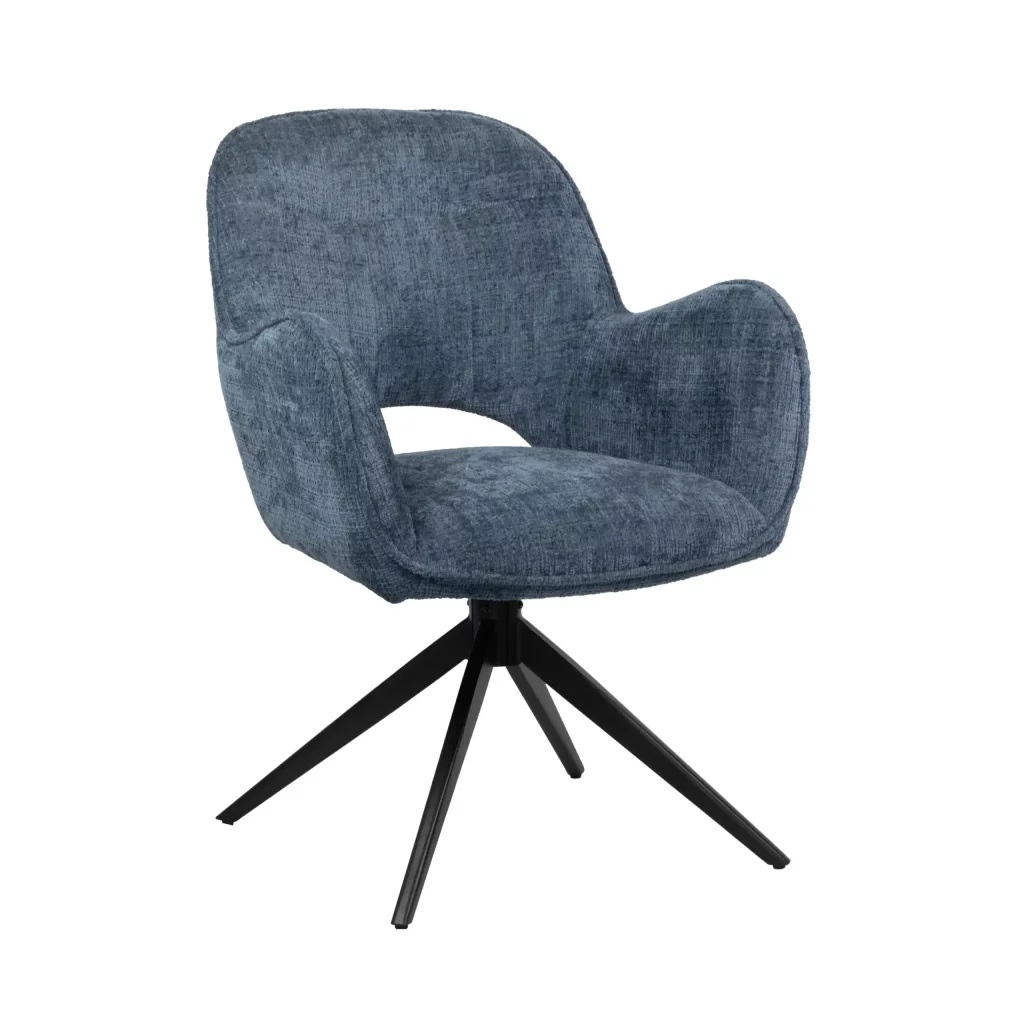

A practical process for turning a finish preference into a controlled, repeatable reference before production starts.
A furniture finish is often approved too casually. A digital swatch, a short email, or a passing reference to warm oak may be enough to begin a conversation, but it is not enough to control a production result. A reliable furniture finish approval before production turns a visual preference into an agreed physical reference, a clear record, and a repeatable inspection method.
This guide is for furniture buyers, sourcing teams, and product managers working with custom or private-label pieces. It explains how to reduce avoidable disagreement by approving color, sheen, texture, edge treatment, and acceptable variation before mass production begins.
Define the Finish Objective in Plain Language
Start with what the finish needs to communicate in the product, not only the color name. Is the aim a natural timber character with visible grain? A more uniform painted surface? A darker contrast that frames an upholstered seat? The answer affects substrate selection, stain behavior, coating build, and the tolerance for natural variation.
Avoid subjective instructions with no reference point, such as make it more elegant or slightly warmer. Translate the intent into observable features. State the intended wood tone, surface sheen, grain visibility, edge darkness, and whether small tone shifts are acceptable across components. A written objective prevents one person preference from becoming an untestable production instruction.
Use Physical Samples to Approve a Physical Result
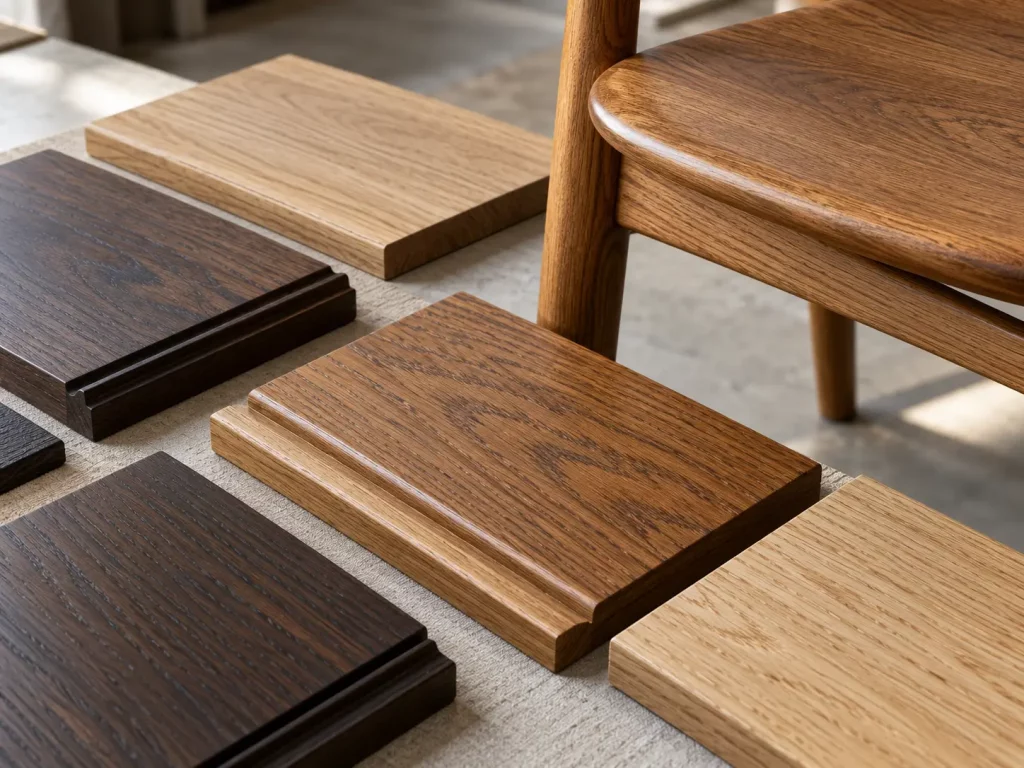
Digital images are useful for early alignment, but screen settings and lighting make them unreliable as a final finish authority. The final approval should be a physical sample or controlled sample panel made with the relevant material, stain or paint system, and topcoat direction. Where a product combines materials, review them together rather than approving each one in isolation.
The panel should be large enough to show grain, color movement, and sheen. A tiny chip can hide the practical result. For products with visible edges, routed profiles, or mixed components, request sample details that show those zones. The point is not to create a perfect museum object; it is to establish the closest repeatable standard for normal production.
Approve the Features That Readers Can Actually See
Color and undertone
Name the intended direction and compare it under agreed lighting conditions. A finish that appears neutral in one light can show red, yellow, gray, or green undertones in another. Record the viewing environment used for approval and avoid judging a production piece only from a phone photograph.
Sheen and surface feel
Sheen changes the perceived quality of a product. A low-sheen surface can read as softer and more natural, while a higher-sheen coating can make color appear deeper and highlight surface irregularities. Confirm whether the desired result is matte, satin, or another agreed level, then describe how the surface should feel and look from normal viewing distance.
Grain pores and edge treatment
Wood and veneer will not repeat exactly from piece to piece. The approval should distinguish attractive natural variation from unacceptable mismatch. It should also show whether pores remain visible, whether a wire-brushed texture is intended, and how edges should read beside broad flat surfaces. These details are often where a finish looks either considered or inconsistent.
Create a Finish Approval Record That Production Can Use
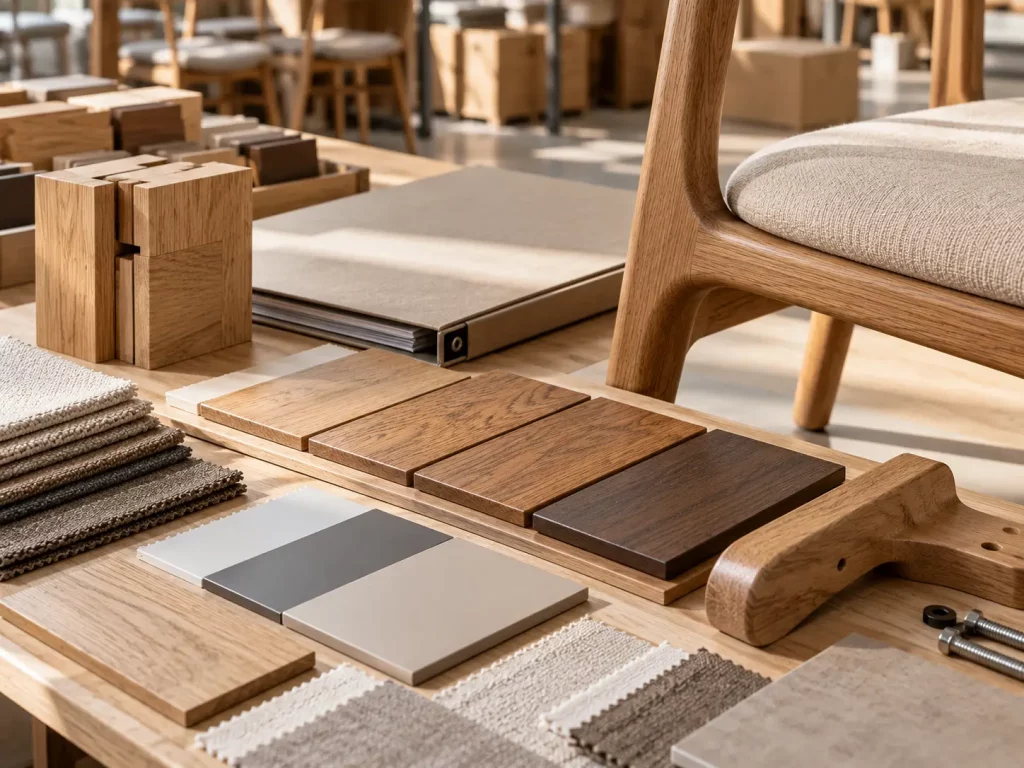
The record should travel with the project, not remain buried in an email thread. Assign a project name, product code, date, revision number, material description, finish name, approval photographs, and the location or identification of the physical control sample. Include brief notes on visible features and limits, written so a production and quality team can use them without interpretation.
- Identify the approved physical sample and store it safely.
- Record substrate, stain or paint direction, topcoat type, and agreed sheen language.
- Photograph the sample under agreed viewing conditions.
- List product zones needing special attention, such as edges, legs, or veneer joins.
- State who may approve a change and how the revised sample will be documented.
Connect Approval to Production Controls
A finish reference is most valuable when it shapes the process. Before the first production run, confirm that material preparation, sanding sequence, color application, drying or curing, and final protection are being checked against the reference. If a color is mixed or a coating system is adjusted, the change should be reviewed before it becomes a batch-wide condition.
Inspection should be practical. Compare at the same distance and light used for approval, and assess multiple parts rather than only the most attractive face. The objective is consistent character across a batch, not impossible uniformity in natural material. When a variation is found, record its location, compare it to the agreed limit, and decide whether correction is required before packing.
Protect the Finish Through Packing and Delivery

Finish approval does not end at final inspection. Friction between components, pressure on corners, moisture exposure, and loose hardware can mark a surface after it has passed the line. Review protection materials, separation points, carton fit, and handling instructions as part of the same quality discussion.
A good packing review asks simple questions: Which surface is most vulnerable? Does the protective material risk transferring texture or color? Can parts move in transit? Is hardware separated from finished panels? These questions prevent the false conclusion that a finish issue must have originated in the spray room.
Pre Production Finish Approval Checklist
- The physical sample matches the intended substrate and construction details.
- Color, undertone, grain visibility, texture, edges, and sheen are documented.
- The approval record has a revision number and named decision maker.
- Production and quality teams can access the same control sample and notes.
- Packaging protection has been reviewed for the finished surface.
- Any future change requires a new sample and documented approval.
Frequently Asked Questions
Why is a digital color reference not enough for furniture finish approval?
Screens, cameras, lighting, material absorption, and coating thickness all change how a finish appears. A digital image can guide early discussion, but a physical sample made with relevant materials is the more dependable reference for approving a production result.
What should be included in a furniture finish approval record?
Include the project and product identifiers, the physical control sample reference, material and finish description, approval date, revision number, photographs, observable requirements, acceptable variation, and the people authorized to approve changes. Keep it accessible to development, production, and quality teams.
How can natural wood variation be controlled without making unrealistic promises?
Define the intended character and the limits that matter: overall tone direction, grain visibility, matching between visible parts, and unacceptable contrasts. Natural variation cannot be eliminated, but it can be managed against a clear physical reference and reviewed consistently.
When should packaging be discussed in a finish approval process?
Discuss it before mass production, alongside production controls and final inspection. Finished surfaces can be damaged after they leave the line, so protective materials, carton fit, component separation, and hardware containment should be reviewed as part of the same quality plan.
What happens if the approved finish must change after sampling?
Treat it as a controlled revision. Create a new sample, update the record with a new revision number, state what changed, and obtain the appropriate approval before the revised direction enters mass production. This preserves traceability and avoids mixed expectations.
Make the Reference Useful at Every Stage
A furniture finish approval before production is not a decorative sign-off. It is a practical control that lets the buyer, factory, and quality team look at the same standard and make faster decisions. The clearer the physical sample and record, the less likely a subjective preference will become an expensive production dispute.
To discuss a custom finish, product development requirement, or quality review for an upcoming project, contact Hometree Furniture.