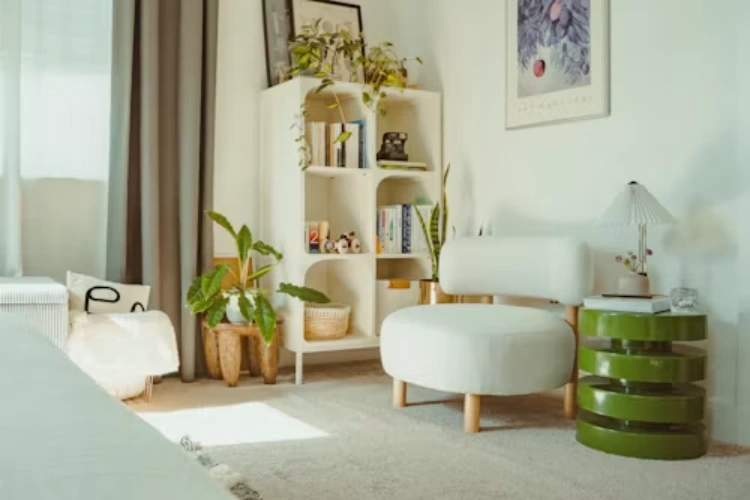

A practical assortment guide for retailers and project buyers who want compact dining pieces to solve real room problems and sell as a coherent collection.
Small-space dining is not a smaller version of a standard dining assortment. It is a distinct retail problem: shoppers want a table that works in an apartment, a chair that does not dominate the room, and a group that still looks deliberate when it is photographed, merchandised, and delivered. The most useful small space dining furniture collection gives each item a clear role instead of asking one oversized dining set to do everything.
This guide is for furniture retailers, project buyers, and private-label teams building a compact dining offer. The practical conclusion is simple: begin with real room scenarios, then select a disciplined set of table, seating, storage, and finish options that can work together without becoming visually repetitive.
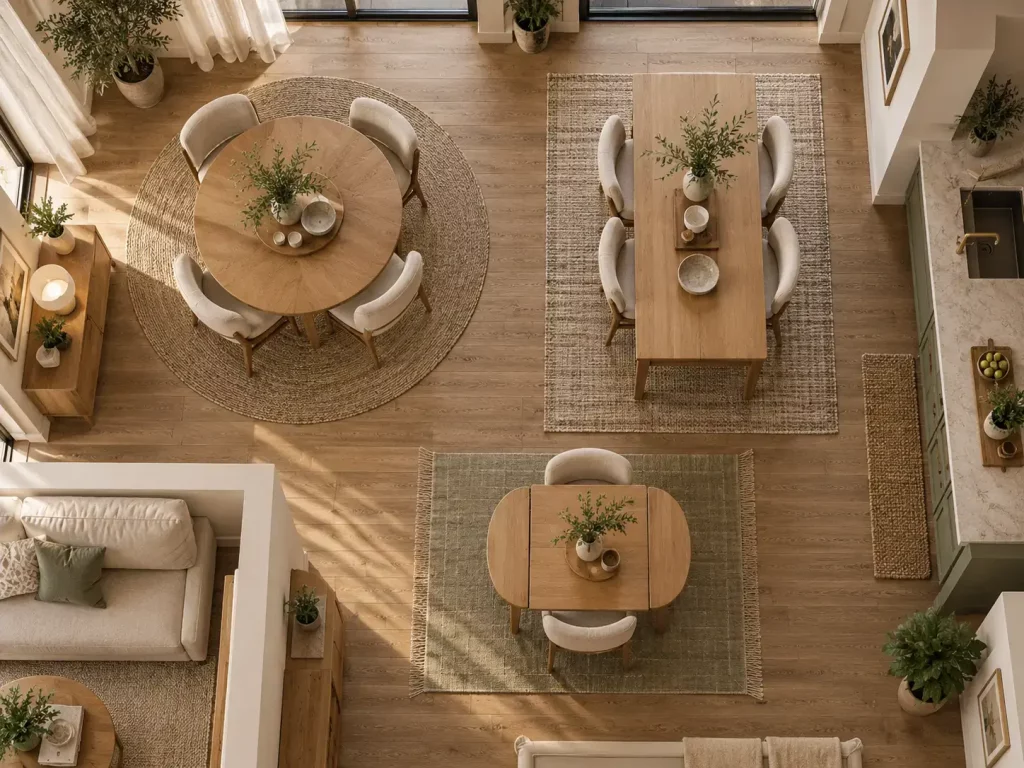
A category list can make assortment planning feel tidy, but shoppers do not live in categories. They live beside a 90 cm table, in a breakfast corner, or in an open-plan room where the dining group is visible from the sofa. Define those scenes first. A two-person weekday setting, a flexible four-seat setting, and a compact entertaining setting will reveal different product needs.
For each scene, document the usable footprint, the likely circulation path, the number of seats required most days, and the visual weight the customer will accept. This is more useful than chasing a universal small dining set label. It prevents a collection from being full of individually attractive pieces that compete for the same job.
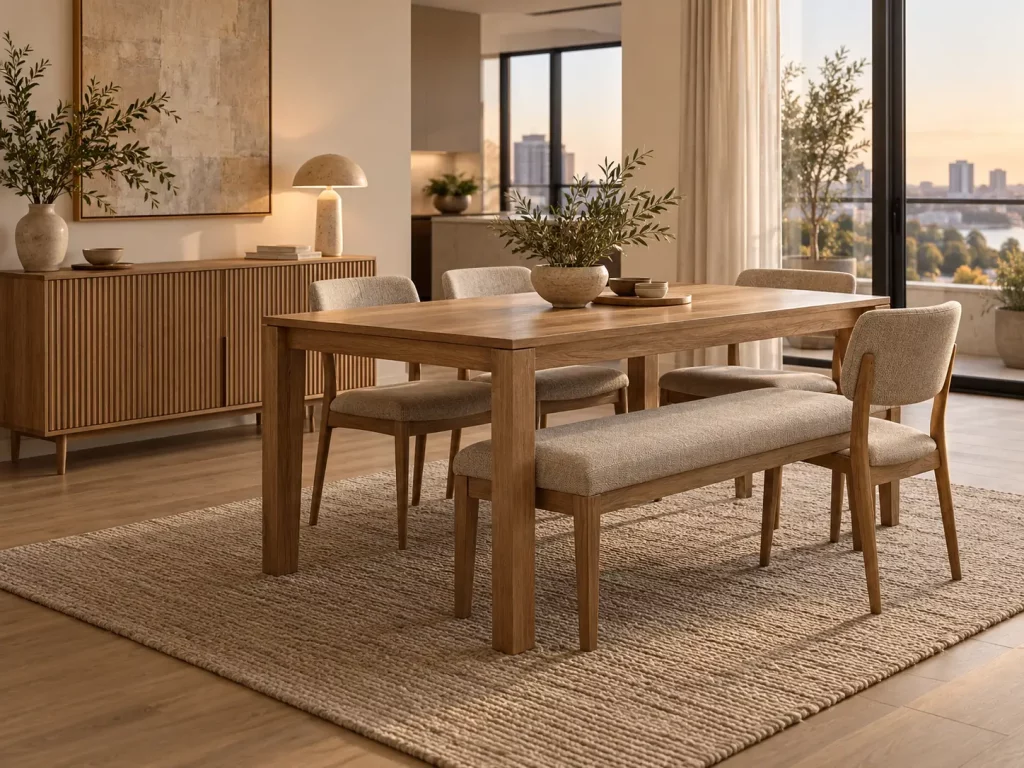
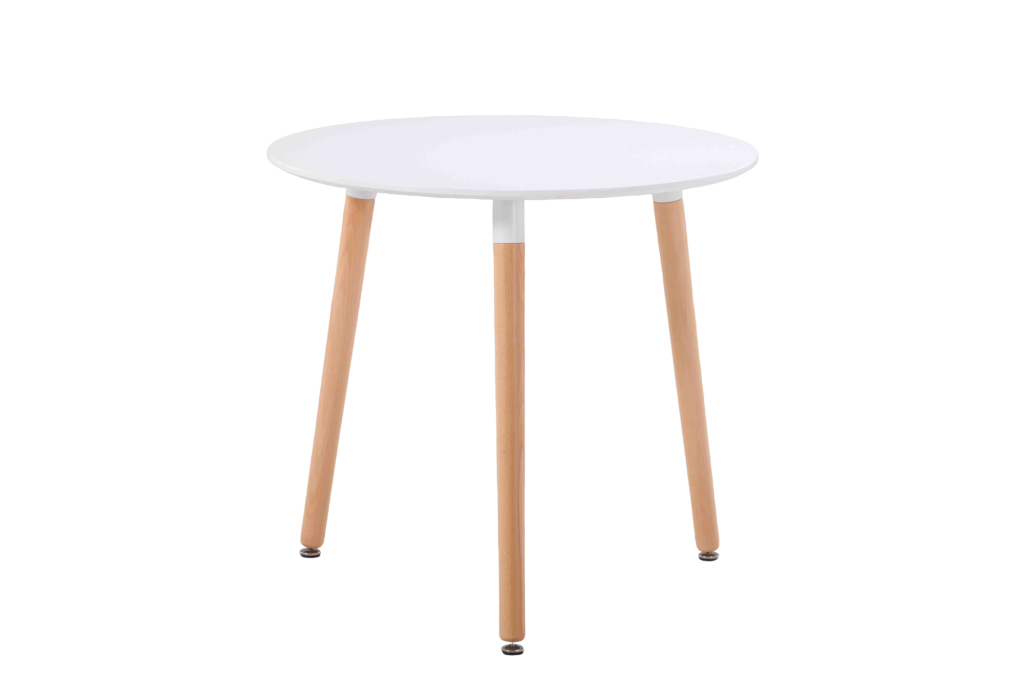
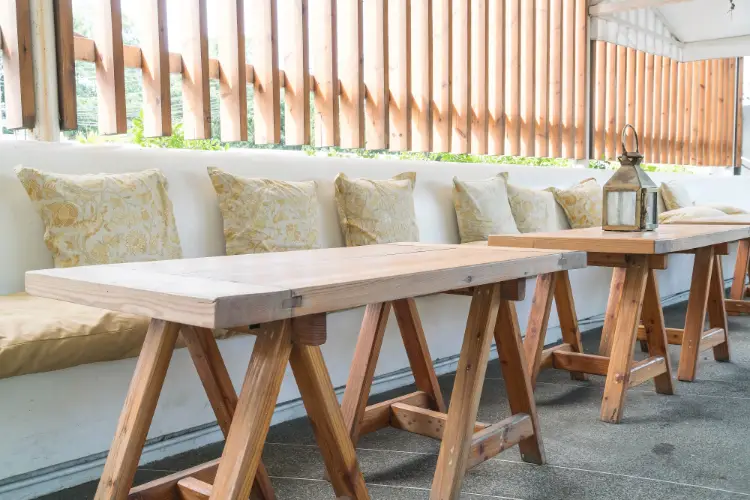
A compact collection usually needs no more than two or three table shapes. A round top helps soften a tight circulation route. A narrow rectangular top serves a wall-side layout. A drop-leaf or extension option can answer the occasional-hosting question without forcing every customer into a larger footprint. The buyer should be able to explain which room problem each format solves in one sentence.
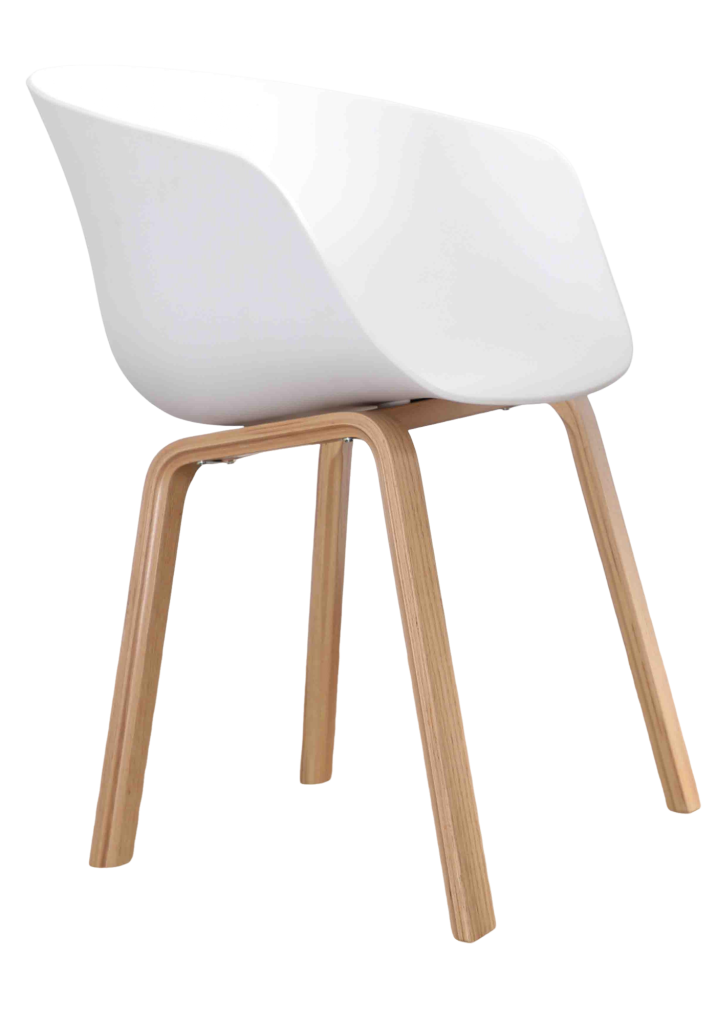
Seat comfort still matters in a smaller room, but the side profile matters too. Open backs, tapered legs, and carefully controlled arm volume can keep a chair from looking heavy. A stackable or easy-to-move option may be useful, but it should be assessed as part of the complete dining view, not as an isolated specification. The best chair choice is the one that tucks in cleanly and remains credible for an ordinary meal.
A bench, a compact sideboard, or a slim display cabinet can improve average order value, but only when it supports a believable room story. Avoid adding storage merely because it is a familiar category. Ask whether it provides a useful function, maintains the collection visual rhythm, and can be photographed in the same small-space scene without making the room feel crowded.
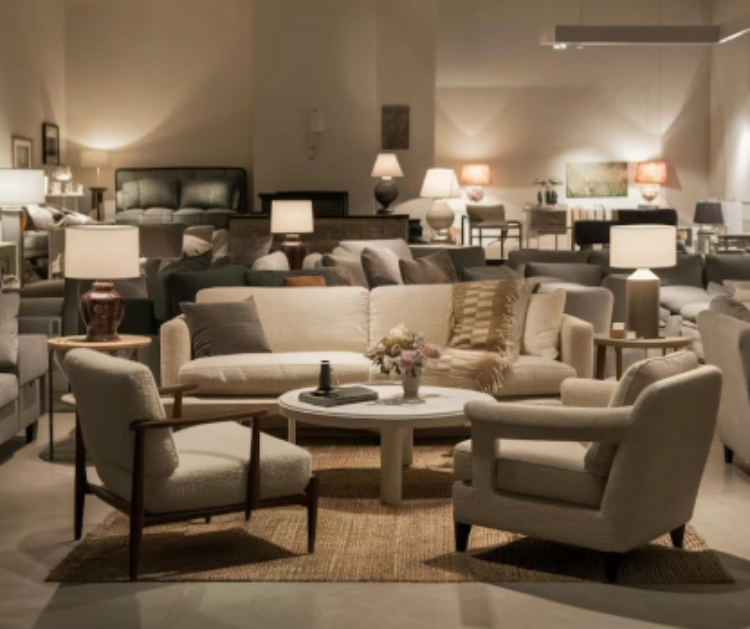
A small-space range should be reviewed with movement in mind. Customers need to pull a chair back, pass behind a diner, open a nearby cabinet, and carry daily items through the room. A planning sheet that shows table size alone will miss this. Use a simple room sketch during assortment review, including the dining group, a circulation route, and the visual boundary created by a rug or adjacent seating.
Do not publish one clearance figure as a promise for every home. Instead, show retailers how to present the collection with realistic room photos, concise product dimensions, and a reminder to measure the customer intended area. That is more trustworthy than a broad claim that a set fits anywhere.
A compact dining collection should look like one point of view, not a copied set. Repeat a few recognisable design cues: a warm wood direction, a leg profile, a softened edge language, or a restrained contrast between timber and upholstery. Then vary shape and texture so the assortment can serve more than one room scene.
This approach also gives merchants better storytelling material. A round table and a rectangular table can belong together even when they are not identical. The relationship is visible through proportion, finish direction, and detailing. That makes floor displays and online collection pages easier to understand.
Small-space customers do not form a single price segment. Plan a clear good, better, and premium path before samples begin. The entry piece may focus on a straightforward tabletop and durable, easy-care seating. The mid-tier can introduce more developed joinery or upholstery. The premium piece needs a visible reason for its position, such as a more refined surface treatment, a flexible mechanism, or a stronger material story.
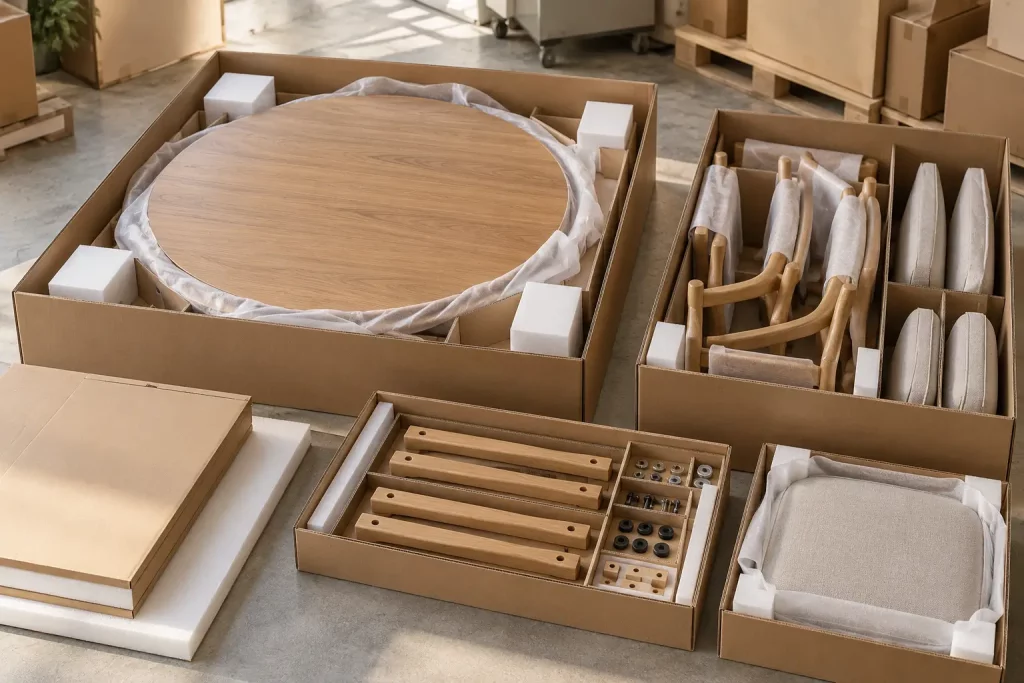
A collection can be well designed and still disappoint if the delivery experience undermines it. Compact furniture often benefits from an efficient carton strategy, but flat-pack logic should not force weak protection or confusing assembly. Review vulnerable corners, hardware packs, finish protection, and the clarity of assembly instructions while the product is still being developed.
It is suitable when the table, seating, and optional storage are selected around realistic room scenarios, circulation, and visual weight. Compact dimensions matter, but the collection also needs clear product roles, believable styling, and information that helps shoppers measure before they buy.
No. Round tables can help soften movement in certain layouts, but narrow rectangular tables can work well against a wall or in a longer room. Offering two complementary shapes usually serves more customer situations than treating one format as the answer to every small home.
Start with a controlled finish direction and add choice only where it serves a retailer assortment. Too many options can dilute the collection story and complicate display, sampling, and inventory. A hero finish plus one clearly different alternate is often easier to merchandise.
Yes. Premium perception comes from proportion, comfortable contact points, controlled detailing, material choices, and a coherent finish story. It does not require oversized scale. A well-resolved compact piece often feels more considered because every dimension has a visible purpose.
Ask for target room scenarios, price bands, preferred materials, intended markets, packaging requirements, and the level of customization needed. These inputs make it easier to decide whether a design should be adapted from an existing direction or developed as a new collection.
The strongest small space dining furniture collection is not the one with the most SKUs. It is the one that makes a compact room feel usable, intentional, and easy to shop. Start with living scenarios, give each product a role, and keep the family resemblance clear from the table silhouette to the final carton.
For a discussion about developing dining furniture around a specific customer, market, or collection brief, contact Hometree Furniture.