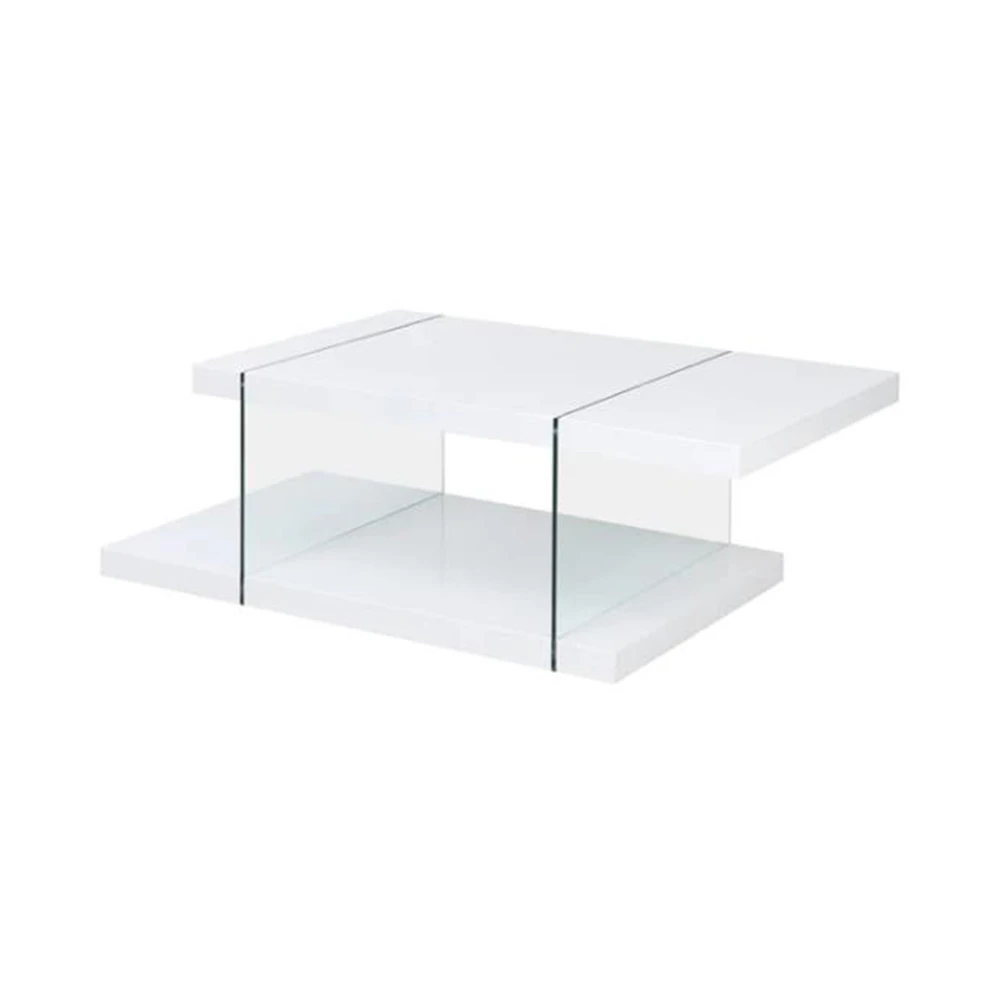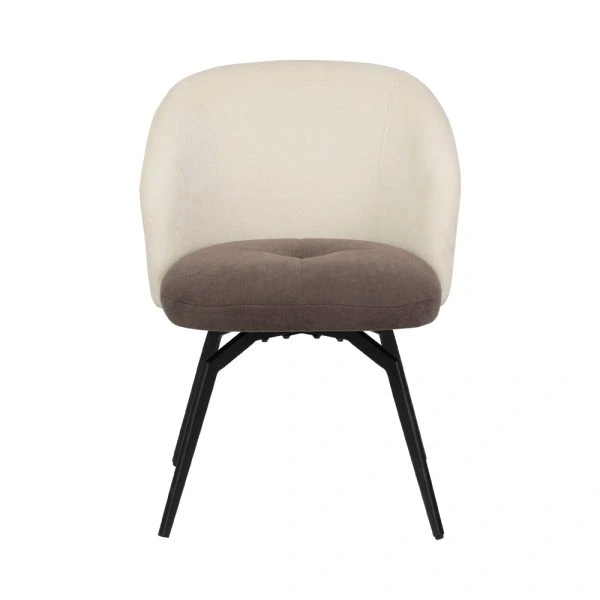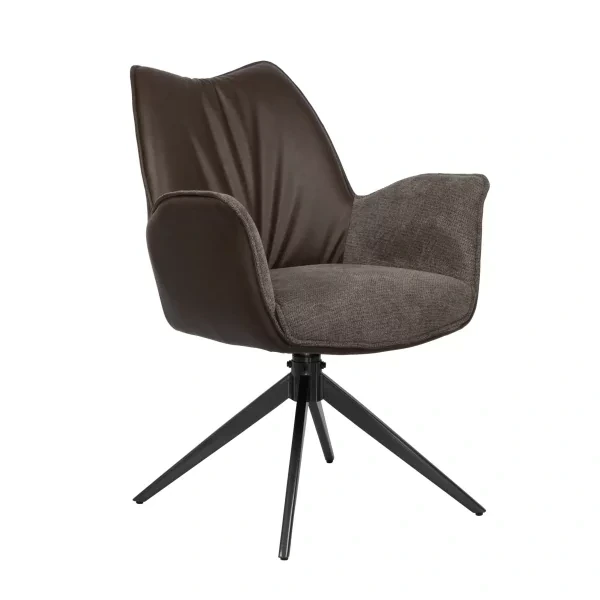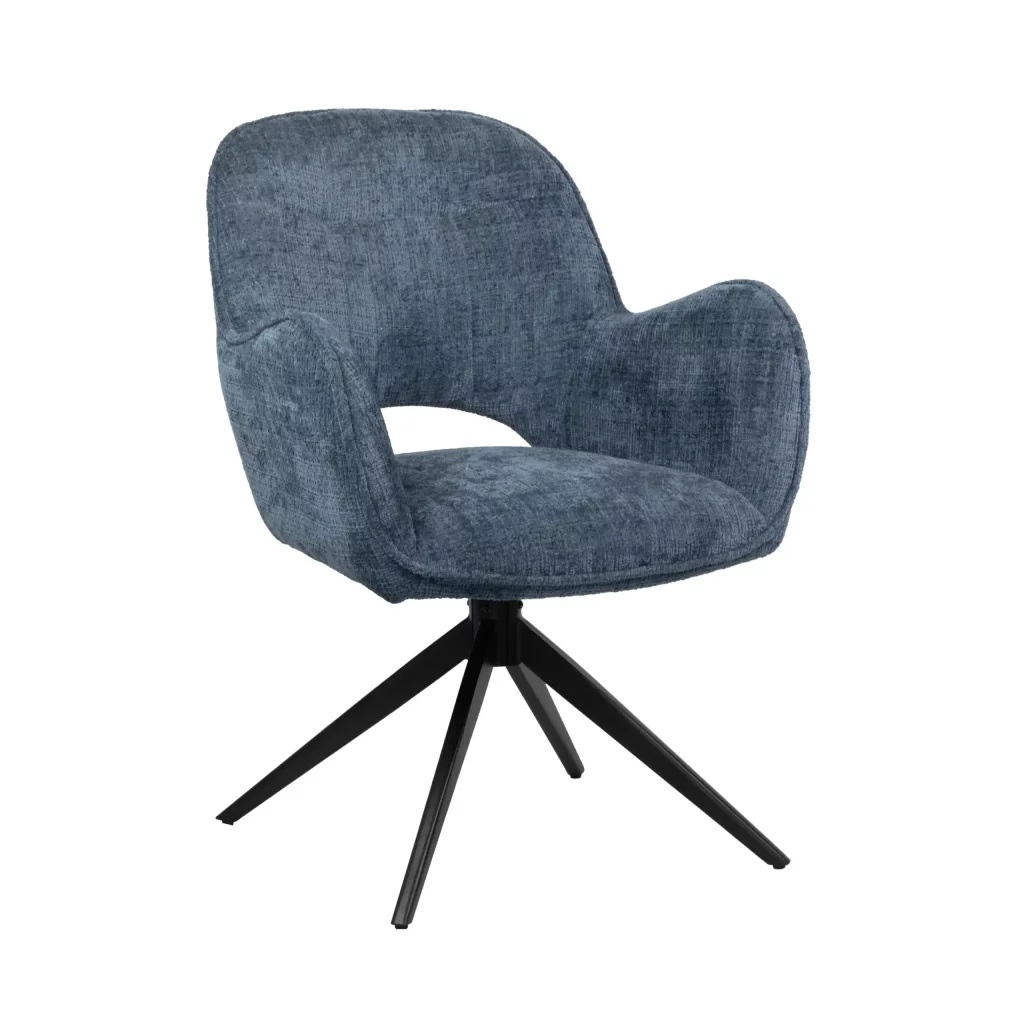

A missing foot or damaged handle can create a surprisingly long email chain when everyone describes the part differently. A photograph may show its appearance while leaving the fixing, dimensions and production version unclear. Planning furniture spare parts means agreeing how components are identified, which replacements are supported and what information the service team needs. This guide is for retailers and distributors building support records for dining and living furniture.
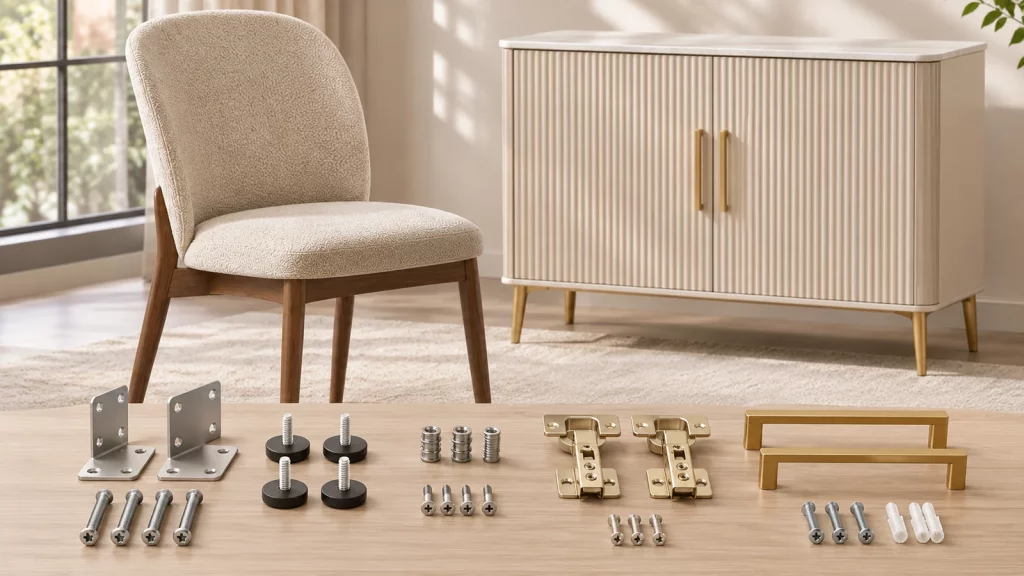
Identify serviceable parts before the collection launches
Ask the supplier which components can be supplied separately and which require a larger assembly or technical assessment. Furniture that looks easy to disassemble may use fixed connections, bonded surfaces or components that are not intended for customer replacement. Record the actual service scope for each model.
Start with the issues your retail operation is likely to handle: missing hardware at assembly, floor glides, handles or other components the supplier confirms as replaceable. Establish the approved replacement procedure where one exists. Do not describe every removable-looking component as a customer-service spare.
Use the Hometree product range.
Give each component a usable identity
A part record should connect the product model, component code, drawing position and production revision. Add clear photographs and the relevant confirmed dimensions. Where colour or finish matters, record the finish reference as well. A customer-facing name can be simple, while the internal code preserves precision.
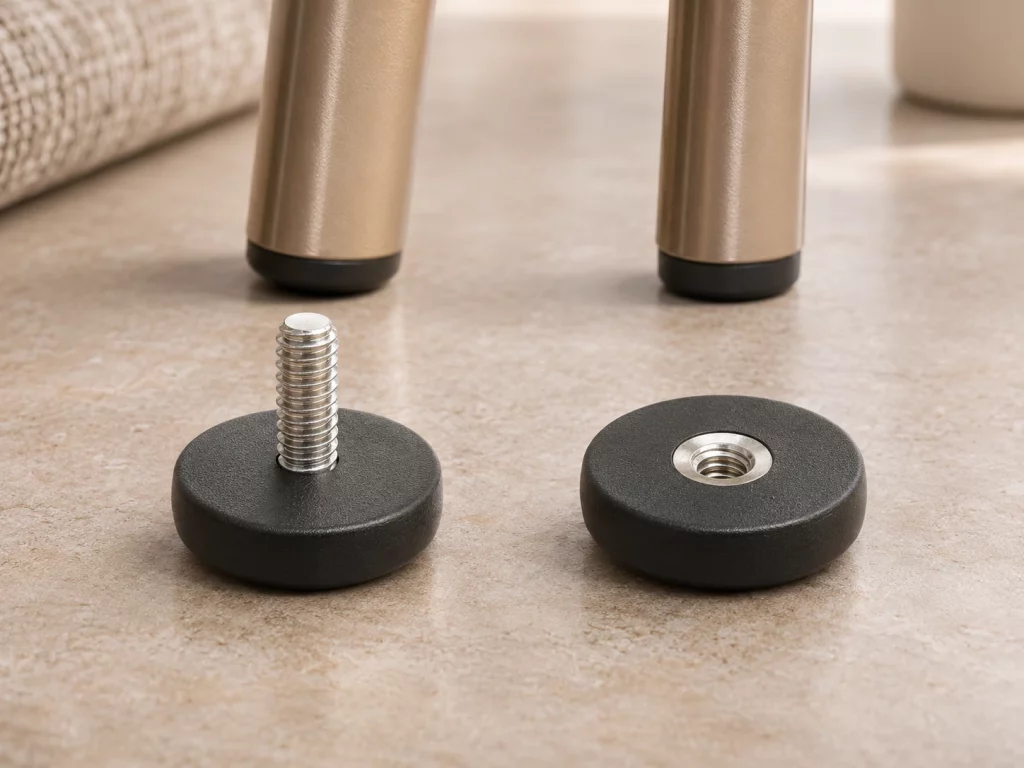
For example, a dining chair may have front and rear glides that look similar in a quick photograph. A record that labels their positions and codes helps the service team distinguish them. For a handle, the visible length alone may not establish fit; the relevant fixing dimensions and hardware also need confirmation.
Check compatibility against the exact product version
Parts with a similar appearance are not automatically interchangeable. A change to hole spacing, thread, mounting plate or component geometry can affect whether a replacement fits. Ask the supplier to confirm compatibility with the model and revision involved, using the approved product record.
If an original component is no longer available, treat the proposed alternative as a technical question. Identify what changed, which products it fits and what instructions are needed. Record the confirmed replacement reference instead of allowing an informal substitution to become an undocumented standard.
For a collection brief, review the design and development process.
Create a parts map that service staff can read
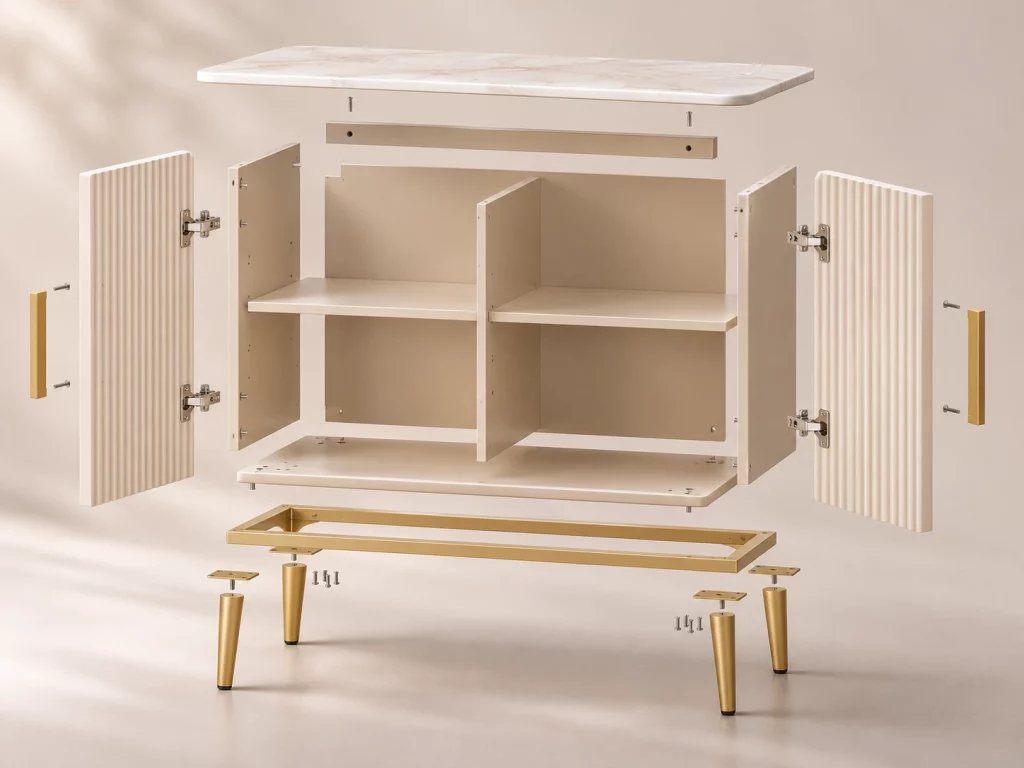
Use a simple exploded view or annotated product photograph. Label components with codes that match the parts list and show the orientation where it matters. Include a short description and specify the quantity used on one finished item. That gives the team a way to distinguish one replacement from a complete set.
Keep the drawing legible when printed and when viewed on a phone. Avoid placing many tiny labels on a single crowded page. For a range built on shared components, confirm that the shared code truly refers to the same part rather than assuming that matching catalogue names establish compatibility.
Agree supply terms separately from the product order
Confirm which spares can be ordered, any minimum quantities, pricing assumptions and the expected supply process. Ask how requests for older production versions are handled. Record the terms that have actually been agreed; a general statement about after-sales support does not establish availability for a particular part.
The right stock plan depends on your sales history, service cases and replenishment arrangement. Avoid ordering a fixed percentage of every component without considering demand. A rarely used bulky assembly and a frequently requested small fitting may need different decisions. Review the plan after actual customer enquiries provide evidence.
Use a short replacement request form
Give customer service a consistent intake record: product code, order or batch reference, component code if known, quantity requested and photographs of the complete product and affected area. Ask for relevant measurements only where the supplier has explained what is required.
Separate identification from the decision about cause, cost or warranty. The first task is to establish which item is involved and whether a supported replacement exists. Send the agreed instructions with the part, and avoid asking a customer to improvise a repair when the proper method has not been confirmed.
For related review points, see the product inspection information.

Close the loop after the replacement
Record the component supplied, its compatibility confirmation and the result of the request. If the same part is repeatedly involved, review the pattern with the supplier. The issue may concern instructions, packing, part identification, handling or the product itself; the case record should help investigate rather than assume an explanation.
Update the service record when a component is superseded. Keep a link between the older reference and the approved replacement so that future requests do not start from the beginning. A parts archive is useful only if the team can retrieve the version that belongs to the item already in the customer’s home.
Frequently Asked Questions
Which furniture spare parts should retailers stock?
Begin with components the supplier confirms as serviceable, then review demand from actual assembly and service cases. Balance storage cost, availability and replenishment arrangements. The appropriate stock list varies by collection and cannot be determined from a universal percentage.
Can a similar looking fitting be used as a replacement?
Appearance alone does not establish compatibility. Confirm the product revision, relevant dimensions, fixing details and supplier-approved replacement reference. Where a component affects structure or function, obtain the appropriate technical instructions before replacement.
What information helps identify a furniture spare part?
Provide the model, order or batch reference, component code where available, quantity and clear photographs. Include a drawing position or relevant confirmed measurement when requested. These details help distinguish related components and production versions.
Does a spare parts list guarantee long term availability?
No. Availability, pricing, quantities and support periods must be confirmed with the supplier. Keep those agreements alongside the product record and review the plan when parts or production versions change.
Conclusion
Furniture spare parts planning gives retail support a clear starting point when a small component needs attention. Define the serviceable parts, identify them consistently and confirm compatibility with the correct product version. Discuss the parts record and supply process while developing the collection, so the service team has useful information when the first enquiry arrives.
To discuss the documentation and product details for your collection, contact the Hometree team.