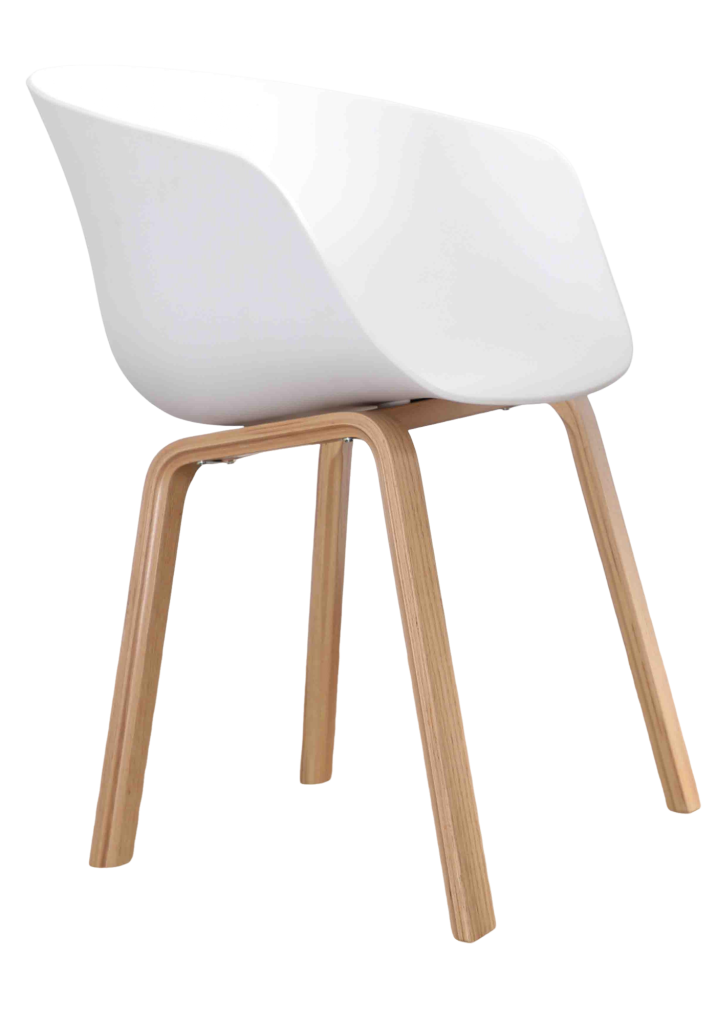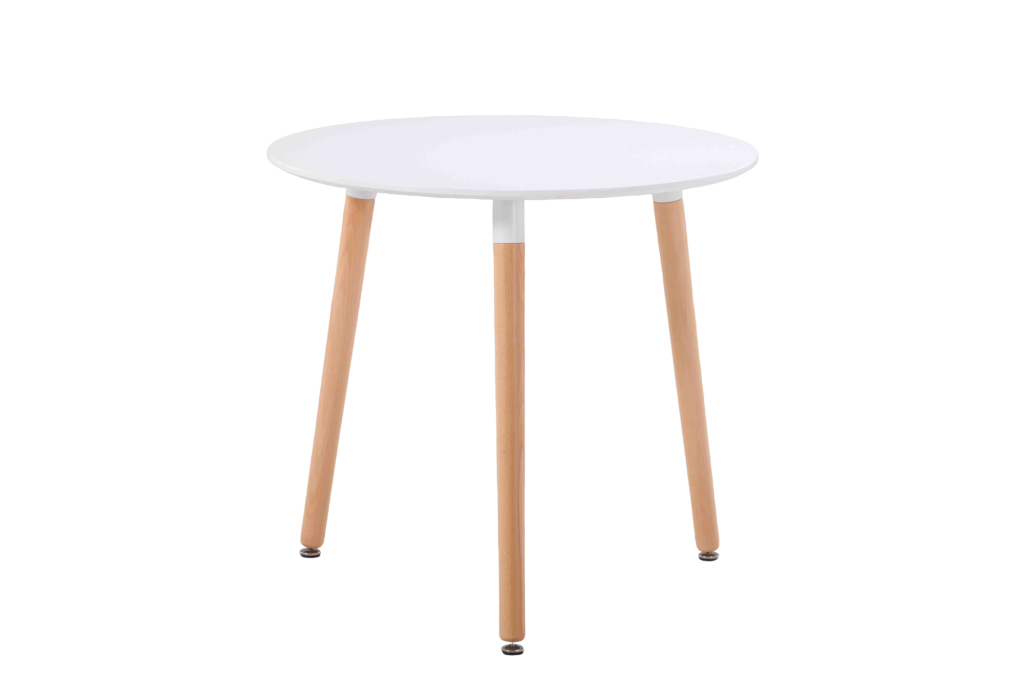

The best wholesale home decor store for your shop is the one that fits your assortment, price position, order size, delivery plan and quality expectations. Compare the actual product range, material information, carton details, MOQ, sample policy, replenishment and service response. A large catalogue is useful only when the products can be bought, received and sold with consistent margins.

Write down whether your shop serves apartment owners, family homes, hospitality buyers, gift shoppers or interior designers. Then group the intended products by room and use: dining, living, occasional furniture, storage, lighting accessories or decorative pieces. This prevents a supplier’s catalogue from deciding your range for you.
Record your target landed cost, retail price, carton volume, available storage and acceptable MOQ. Include a reorder threshold and a delivery window. A product can look attractive online and still be wrong for a small shop if it consumes too much warehouse space or ties up cash in slow-moving colors.
Use a consistent material, color or silhouette rule so the assortment feels intentional. Hometree’s product information covers materials such as MDF, metal, glass, wood, PU, leather and fabric; your brief should explain which combinations belong in your shop and which do not. Start with the Hometree furniture product category when building a coherent shop range. The Hometree advantage page helps buyers understand the supplier’s support model.
Ask for item numbers, finished dimensions, materials, package specification, volume, weight and MOQ. These details let you compare two suppliers on the same basis. If a store cannot explain the product beyond a lifestyle image, you cannot plan a reliable purchase or product page.
Choose one or two representative items from each product family. Check color, surface, stability, hardware, assembly and packaging. Hometree describes using drawings, 3D models and physical samples to confirm appearance, ergonomics, structure and mass-production feasibility.
A useful supplier can describe incoming-material checks, in-process controls, final inspection and the record kept for defects. Hometree lists checks for dimensions, warping, color, hardness, surface treatment, accessories, cleanliness, weight, hole position and stability. Use a similar list when comparing any wholesale home decor store. Use Hometree material quality control to check the information behind each product family. A store can set its receiving checklist around the Hometree product inspection process.
A lower MOQ can help a new shop test a collection. A higher MOQ may make sense for an established seller with predictable demand and a coordinated range. Ask whether the MOQ applies per color, per SKU or across a mixed order, and whether the supplier can reserve the approved version for a reorder.
Request carton dimensions and volume before ordering. Estimate how many cartons fit in your receiving area and how much handling each item needs. Tables, chairs and soft goods often require different stacking and protection methods, so a mixed order needs a real storage plan.
Ask how long the supplier expects a model, finish, hardware set and packaging artwork to remain available. If a color is replaced, decide how you will update product photos and customer descriptions. A store needs a clear exit plan as well as a replenishment plan. The company background is outlined on About Hometree. The Hometree furniture FAQs answer common questions about materials and customization.
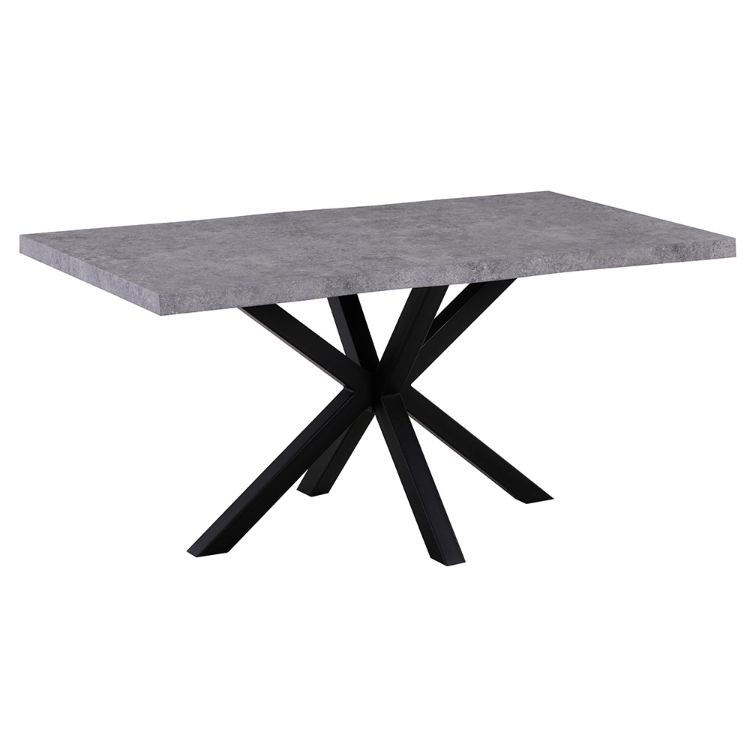
Send the supplier a short request that includes a specification, packaging question and sample requirement. Judge the reply for accuracy, speed and whether it answers every point. Hometree describes sales service and technical engineering support; a shop should know who handles quality, logistics and after-sales questions.
Confirm the material, environmental and technical requirements for the destination market before the order. Hometree states that it can provide different manufacturing solutions according to client requirements; do not treat that general capability as a certification claim for a specific SKU without checking the project documents.
A small change to a finish, fabric, label or carton can make a collection more ownable. It should still be tied to a sample and written specification. Customization that exists only in a conversation is difficult to inspect and harder to repeat. For supplier discovery, compare reliable wholesale home furniture suppliers with your own buying brief. The cost discussion in how furniture wholesalers balance design and cost is useful when setting a retail position.
For a new store, give more weight to MOQ, sample support, clear product data and flexible replenishment. For a mature store, give more weight to consistency, production scheduling, carton efficiency and after-sales response. Keep price visible, but do not let it hide missing evidence.
Use the first order to test receiving, assembly, packaging damage, customer questions and return handling. Record the results by SKU. If the supplier passes that practical test, you have a stronger basis for a larger seasonal or collection order. Send a detailed inquiry through the Hometree contact page when the shortlist is ready.
Ask whether it can provide a complete product and packing specification for the items you want to sell. Without that information, price and delivery comparisons are incomplete.
Usually no. Start with a focused set that can be sampled, photographed, stored and replenished. Add products after you have evidence about demand and service performance.
Hometree states that its modular production approach and integrated teams are intended to support fragmented procurement needs as well as larger wholesale and retail customers. Confirm the MOQ and product scope for your order.