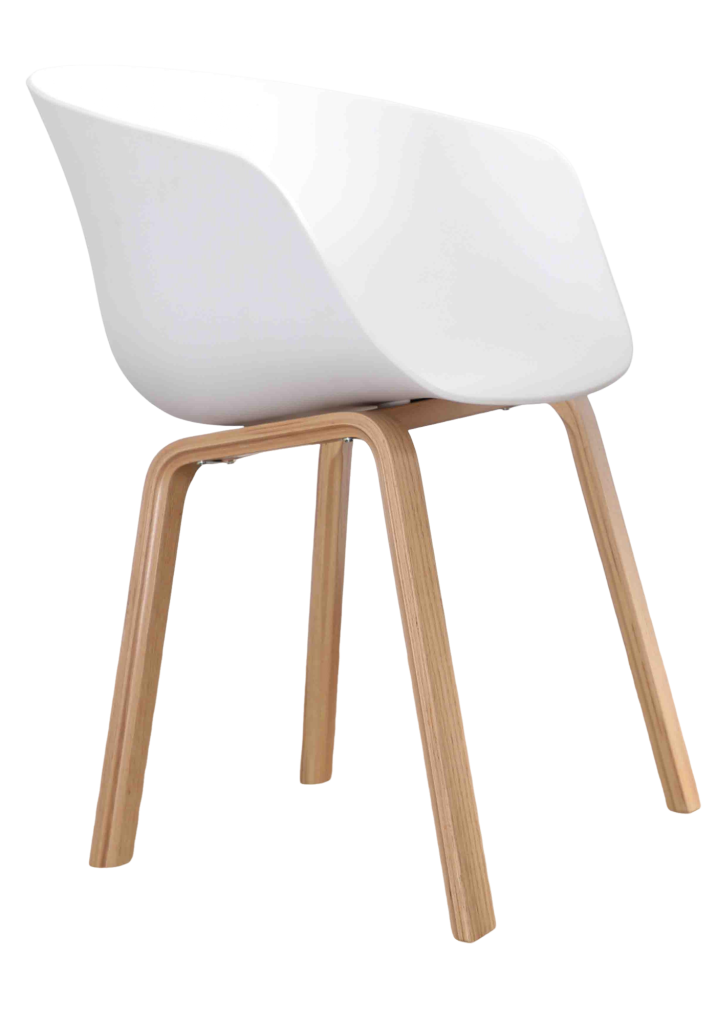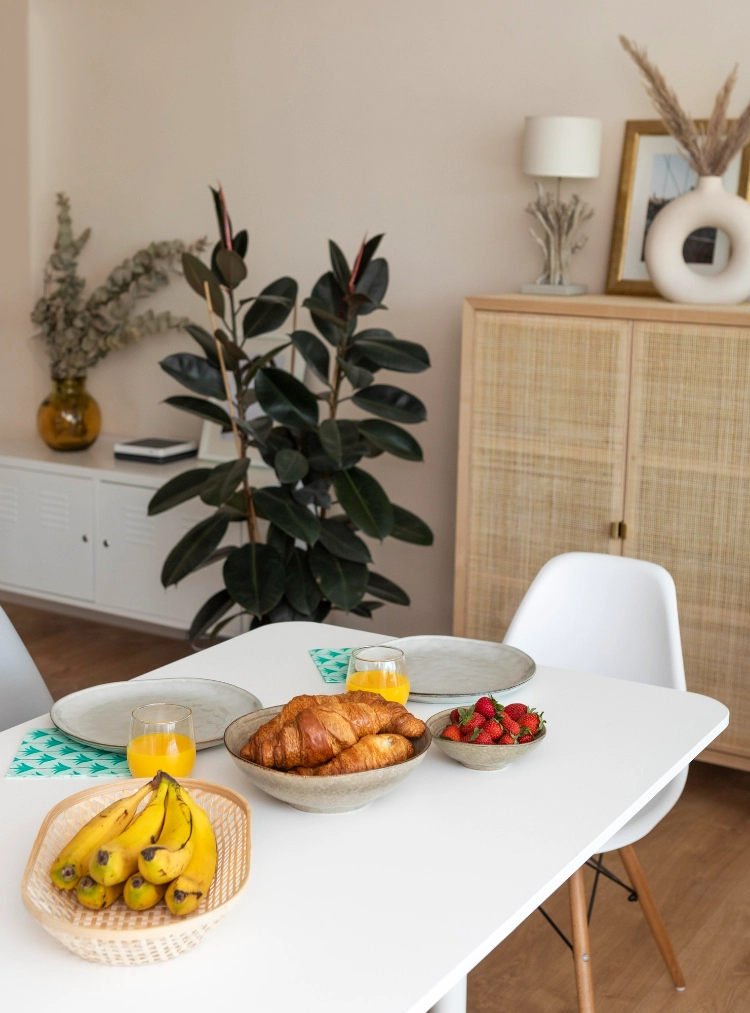

OEM and ODM are two common cooperation models in furniture manufacturing, but they serve different sourcing needs.
OEM usually begins with the buyer’s own design, drawing, specification, or product concept. The manufacturer then turns those requirements into a prototype and a repeatable production process. ODM generally starts with a product or design already developed by the manufacturer, which the buyer can adapt through changes to materials, finishes, colors, dimensions, branding, or packaging.
Neither model is automatically better. OEM is usually more suitable for furniture brands that want stronger product differentiation and control over specifications, while ODM can be more efficient for retailers, wholesalers, and importers that want to reduce development time.
Reviewing an existing Hometree furniture collection is a useful way to understand the difference. An existing factory-developed item can become an ODM starting point, while a buyer-led design usually follows a more OEM-oriented development process.
OEM furniture manufacturing generally starts with requirements supplied by the buyer. These requirements may range from a complete engineering drawing to a reference image, product dimensions, material direction, target price, or initial concept.
The manufacturer’s role is to convert those requirements into a product that can be produced consistently rather than simply reproduce the appearance of a drawing.
OEM gives buyers greater control over the final product.
A furniture brand may specify the overall shape, dimensions, frame construction, fabric, tabletop material, surface finish, color, hardware, or packaging. This is especially valuable when the product needs to follow a particular brand identity or fill a clearly defined gap in the market.
However, buyer control also creates more development work. A concept that looks attractive in a rendering may still need structural changes before it can enter production.
A dining chair, for example, may need frame adjustments to improve stability, while a dining table may require changes to its joints or base structure for safer transportation and assembly.
A professional furniture design and development process therefore needs to consider appearance, dimensions, structure, materials, components, packaging, and mass-production feasibility.
Buyers evaluating OEM partners can also review the guide to choosing the right furniture manufacturer, because design capability alone does not guarantee reliable bulk production.
A successful OEM project usually depends on how clearly the buyer and manufacturer define the product before sampling begins.
Incomplete requirements often create repeated revisions, longer lead times, and unexpected costs.
Buyers should define the intended dimensions, application, target market, material combination, surface finish, color, quantity, and expected price range as early as possible.
Material choices have a direct effect on durability, appearance, weight, manufacturing cost, and retail positioning. MDF, metal, glass, fabric, wood, and other materials all behave differently during production.
Reviewing available furniture materials can help buyers determine which combinations best fit the intended product and budget.
Packaging requirements should also be discussed before production engineering is finalized.
A product may need to fit specific carton dimensions or container-loading requirements. Changes made for transport can affect how the furniture is assembled and how components are connected.
Testing and compliance requirements should also be confirmed for the destination market.
The target cost is equally important. A design may be technically possible but commercially impractical if it depends on complicated tooling, expensive materials, excessive manual work, or inefficient packaging.
OEM development works best when design ambition and manufacturing economics are considered together.
ODM generally begins with a product the manufacturer has already designed, sampled, or prepared for production.
Instead of developing an entirely new product from zero, the buyer selects an existing model and adapts it for a particular brand or market.
Consider a retailer preparing a new dining table collection.
Rather than designing the frame, dimensions, construction, and assembly system independently, the retailer can select an existing table that already fits the desired price and style direction.
The development process can then concentrate on commercially important changes instead of solving every structural question again.
This makes ODM attractive to wholesalers, retailers, and importers that need a faster route to market.
ODM does not necessarily mean accepting a catalog product exactly as it is.
Depending on the product, buyers may change tabletop finishes, metal colors, fabrics, dimensions, labels, branding, or packaging.
The important distinction is that the existing product provides the development foundation.
As long as the modifications do not significantly change the engineering of the product, the factory can often move from selection to sampling more quickly than with a new OEM design.
The main difference is where product development begins.
OEM starts closer to the buyer’s product idea. ODM starts closer to the manufacturer’s existing product platform.
| Factor | OEM Furniture | ODM Furniture |
| Starting Point | Buyer design or specification | Manufacturer-developed product |
| Design Control | Higher | Moderate |
| Development Time | Usually longer | Usually shorter |
| Sampling Work | More development may be required | Often based on an existing model |
| Differentiation | Higher potential | Depends on customization |
| Best For | Brands with clear product concepts | Buyers seeking faster launches |
OEM provides more freedom because the buyer can define more elements of the product.
The tradeoff is additional development. New structures may need prototypes, new components may require sourcing, and packaging may need to be designed specifically around the product.
ODM reduces some of this work because the manufacturer already understands the basic structure and production process.
OEM is not automatically more expensive in mass production, but the development stage may involve higher costs.
New tooling, additional samples, engineering work, or special components can increase initial investment.
ODM may reduce development expenses because an existing platform is already available.
However, buyers should not choose ODM purely because of initial cost. If differentiation is central to the brand strategy, a more customized OEM product may offer greater long-term value.
The correct decision therefore depends on the balance between originality, development speed, MOQ, target price, and market positioning.
OEM is most suitable when the product itself is an important part of the buyer’s competitive advantage.
This is particularly relevant to furniture brands with clear design concepts or commercial projects with precise technical requirements.
A distinctive chair silhouette, unusual dining table base, exclusive dimension, coordinated material combination, or proprietary product range can help a furniture brand stand apart from standard market offerings.
In these cases, changing the color of an existing product may not provide enough differentiation.
OEM gives buyers more control over the overall product direction and makes it easier to build a recognizable collection.
OEM also works well when the buyer already knows exactly what the furniture needs to achieve.
An interior project may require specific dimensions. A retailer may have strict packaging limits. A brand may already have approved materials, finishes, structures, and price targets.
The manufacturer must then translate these requirements into a product that can be sampled, inspected, packaged, shipped, and reproduced consistently.
For this type of sourcing, the guide on choosing a reliable China furniture factory provides additional factors buyers can use when comparing manufacturers.
ODM is generally more suitable when speed and development efficiency are more important than designing every component from zero.
It can be particularly useful for buyers entering new categories or testing new markets.
Because ODM begins with an existing product, fewer technical questions need to be resolved during the early development stage.
The buyer can focus on details that directly affect marketability, such as color, finish, dimensions, branding, and packaging.
This can help wholesalers and retailers respond more quickly to furniture trends or seasonal demand.
ODM can also reduce the risk of entering an unfamiliar category.
Instead of investing heavily in a new structure before demand has been proven, a buyer can begin with a factory-developed item and create a targeted version for its customer base.
If sales are successful, future versions can become more customized.
ODM therefore offers a practical route from market testing to deeper product development.
A factory should not be judged only by whether it claims to provide OEM or ODM services.
The more important question is whether it has the capabilities required to support the complete development and production cycle.
For OEM work, the manufacturer should be able to review product concepts, identify potential manufacturing problems, develop prototypes, and recommend practical changes.
For ODM work, the factory should be able to explain which parts of an existing model can be customized without creating problems with structure, tooling, cost, or lead time.
Communication during sampling is therefore critical.
A physical sample allows both parties to confirm proportions, stability, materials, finishes, assembly, and packaging before production starts.
A successful sample does not guarantee a successful bulk order.
The factory must be able to reproduce the approved product consistently across hundreds or thousands of pieces.
A structured product inspection process can help control dimensions, surfaces, fittings, assembly, structural details, and packaging before shipment.
Packaging also needs to be evaluated as part of the product. Even well-made furniture can create costly claims if inadequate protection leads to damage during international transportation.
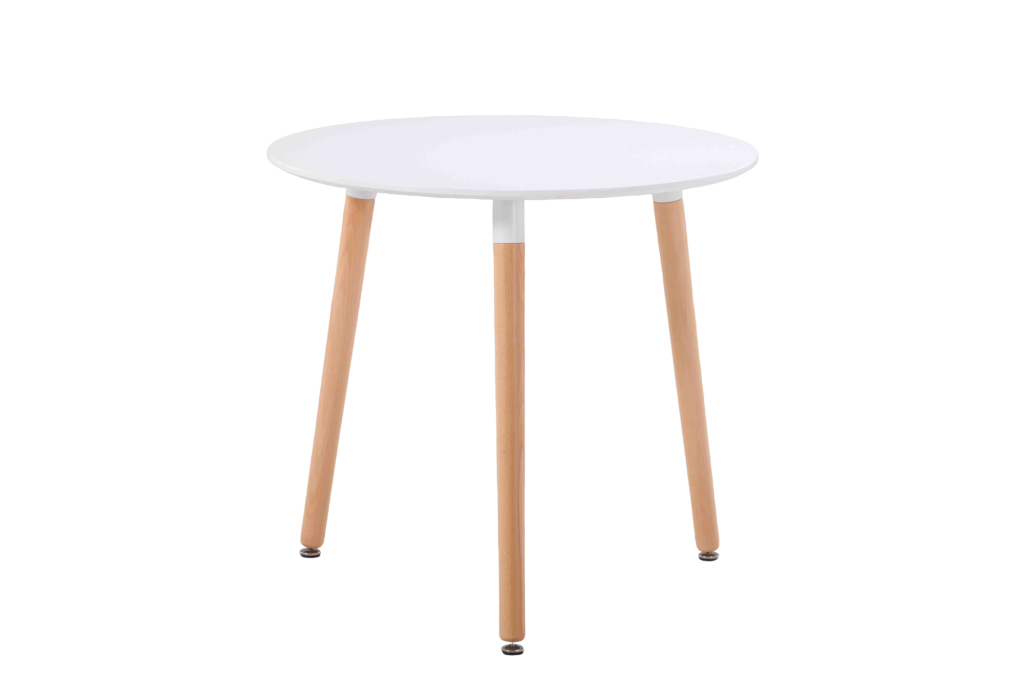
The Dining Table HTD0166 provides a practical example of how the two models differ.
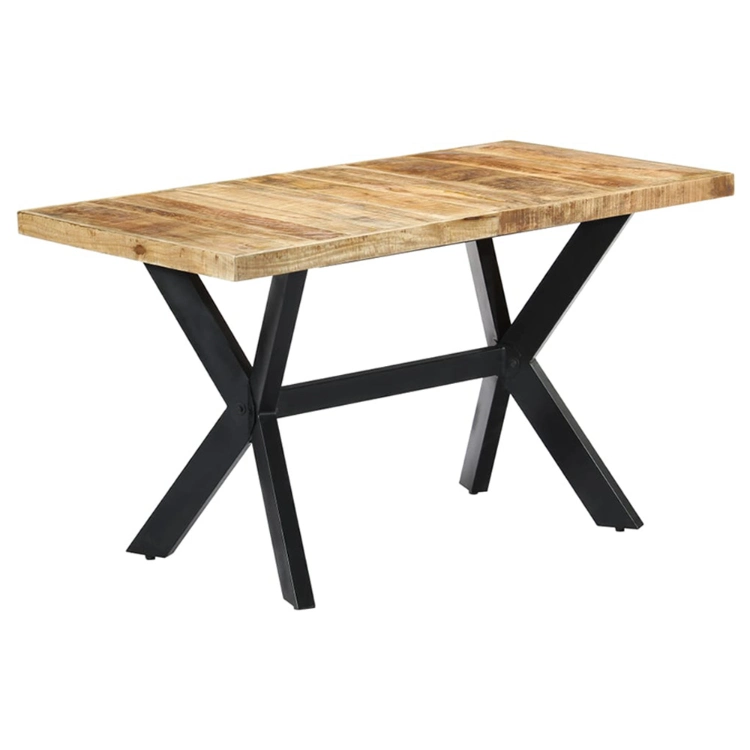
Its existing structure allows buyers to use it as an ODM starting point, while a completely new table developed from a buyer’s drawings would follow a more OEM-oriented process.
A buyer could begin with the existing HTD0166 design and modify the tabletop finish, metal base finish, dimensions, label, or packaging.
Because the basic product structure already exists, the buyer and manufacturer already have a common reference.
Quotation and sample preparation can therefore focus on the requested modifications rather than rebuilding the complete product.
This makes the approach suitable for retailers and wholesalers that need a dining table collection without a lengthy development process.
The situation changes when the buyer provides an entirely new dining table concept.
The new product may require a different base geometry, tabletop material, dimensions, metal profile, connection system, or assembly method.
The manufacturer must then evaluate the drawings, prepare a prototype, confirm stability, optimize materials, and determine how the finished table can be efficiently produced and packed.
That process is much closer to OEM furniture manufacturing.
The difference is therefore not simply whether a buyer’s logo appears on the final product. It is how much of the product definition comes from the buyer and how much begins with the manufacturer’s existing design.
There is no universal answer.
The best model depends on how much product originality you need, how quickly you want to launch, and how much development work your business is prepared to manage.
OEM is generally the stronger choice when unique design, specification control, and brand differentiation are the main priorities.
ODM is usually more suitable when faster development, easier market testing, and lower early-stage complexity are more important.
Many furniture businesses use both. A retailer may source several supporting products through ODM while developing a signature dining table or chair through OEM.
Before requesting pricing, buyers should clarify the target design, quantity, materials, price level, destination market, packaging expectations, and launch schedule.
Hometree’s furniture FAQs provide additional information related to products, customization, services, payment, and shipping.
Once these requirements are defined, buyers can contact Hometree to discuss whether OEM or ODM offers the more practical route for the project.
ODM furniture manufacturing generally begins with a product or design already developed by the manufacturer, which can then be adapted for the buyer’s market.
OEM gives the buyer greater control over the original design, while ODM relies more heavily on the manufacturer’s existing product development.
OEM may involve higher initial development costs because additional samples, engineering work, tooling, materials, or packaging development may be required. Final production cost depends on the product itself.