
Opening a furniture retail store involves much more than choosing products that look good. Before the first order is placed, a retailer has to think about target customers, selling prices, product combinations, MOQ, storage space, freight, quality and future restocking.
This is where experienced furniture wholesalers can be useful.
A good supplier does not simply send a catalog and quotation. They can help retailers build a sensible first product range, avoid buying too many slow-moving SKUs and prepare for repeat orders once the store starts generating real sales data.
If you are still comparing suppliers, our guide to finding reliable wholesale home furniture suppliers explains the supplier selection process in more detail.

Before asking a supplier what they recommend, work out what your store actually needs.
A store targeting young apartment owners will usually need different furniture from one serving large family homes or premium interior projects.
Think about:
The clearer this information is, the easier it becomes for a furniture wholesaler to suggest suitable products.
Price range is especially important. Asking for the cheapest products usually creates a poor product mix. Give the supplier a realistic target price instead.
A physical showroom needs products that look good together.
An online store has additional concerns such as carton size, assembly, product photography, delivery and return risk.
Retailers selling through both channels need products that are attractive enough for showroom display but also practical to pack and ship.
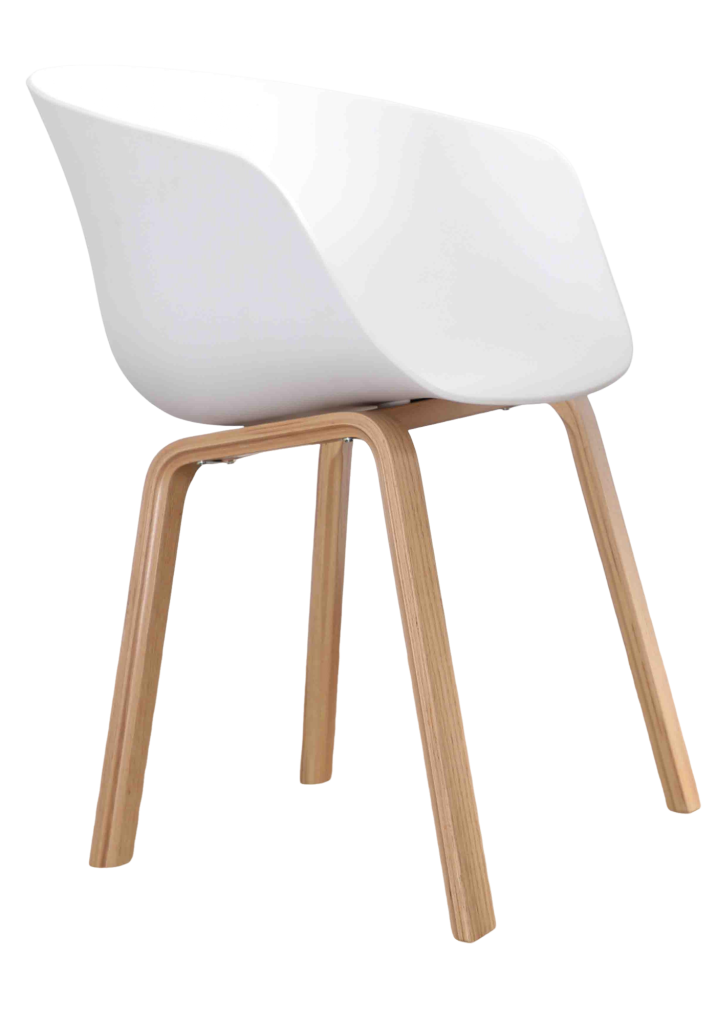
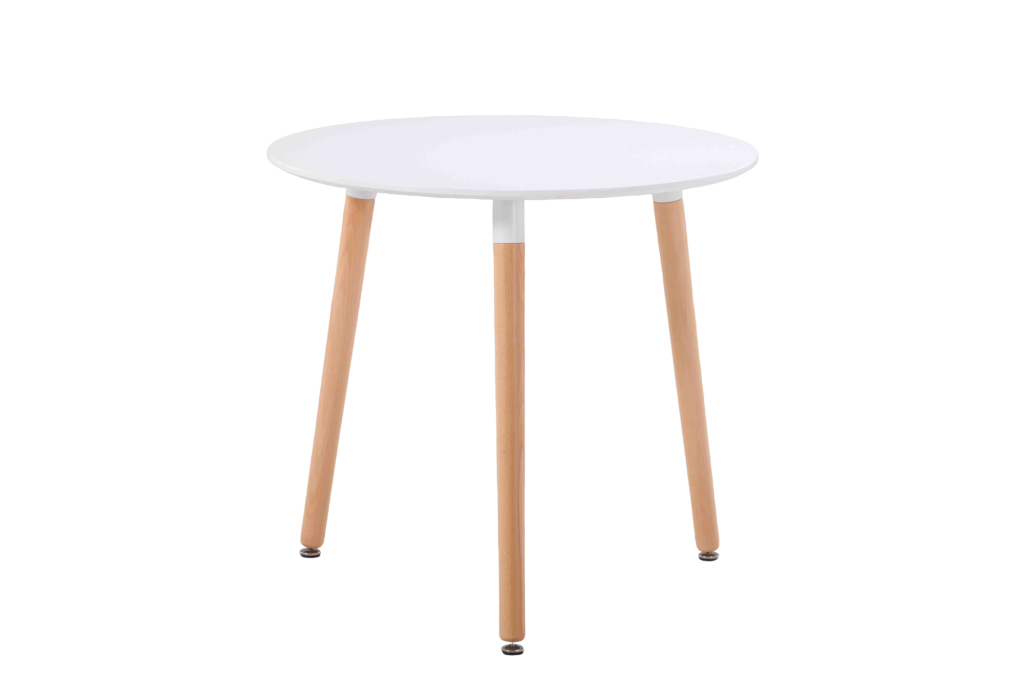
Looking through the Hometree product category by product type can make this easier. Instead of picking unrelated items, buyers can consider dining tables, dining chairs, armchairs, side tables and cabinets as parts of one retail collection.
The first order should help you test the market.
It does not need to contain dozens of designs.
Every additional SKU uses cash and warehouse space. If too many products are ordered before the retailer understands local demand, slow stock can quickly become a problem.
Before ordering, check:
A smaller, focused range is usually easier to manage during the first few months.
One of the most useful things a wholesaler or manufacturer can do is help retailers build products around a small number of core items.
Instead of buying many unrelated pieces, choose one or two products that can support several combinations.
For a dining furniture store, a dining table is a practical starting point.
For example, Dining Table HTD0166 | HOMETREE measures 120 × 80 × 75 cm and uses MDF with a metal base. Its listed MOQ is 50 pieces and listed volume is 0.087 m³.
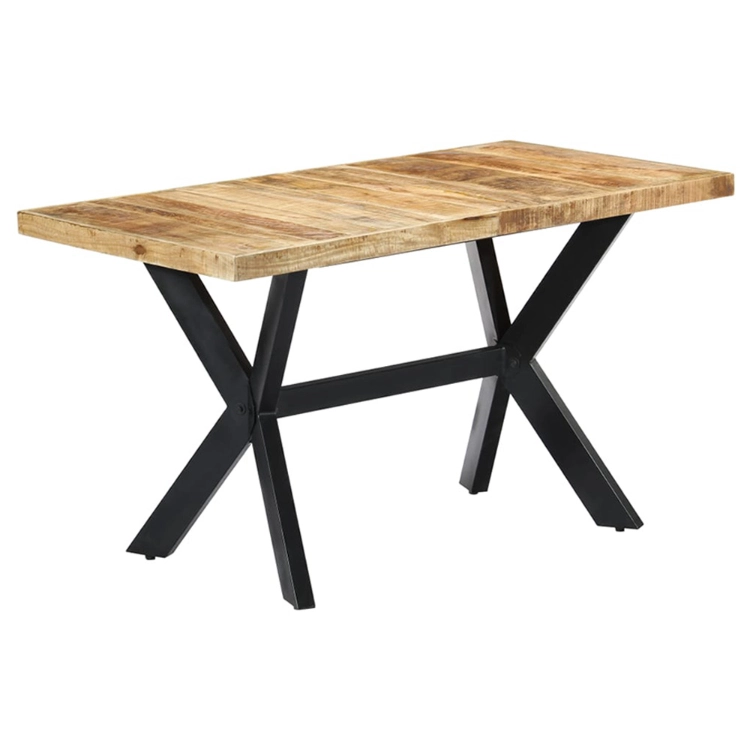
The wood-look tabletop and black metal base are easy to match with different dining chair styles.
That gives a retailer more flexibility.
The same table can be displayed with a simple fabric chair, a PU chair or a more design-focused upholstered chair. Customers see several combinations, but the retailer does not need to stock a completely different table for every display.
Furniture is easier to sell when customers can picture how several pieces work together.
A dining table can be paired with two or three chair styles. A cabinet or side table can then be chosen with a similar finish.
This approach helps both physical and online stores.
In a showroom, it creates a complete room setting.
Online, the same products can be photographed together and reused across category pages, product pages and buying guides.
A focused collection also makes inventory easier to understand.
A product that sells well only helps the business if the supplier can make it again.
Before adding a product to your core range, ask whether the same materials, finish and structure can be repeated later.
This is where a supplier’s design development process matters.
Retailers should understand how a design moves from drawing and prototype to repeatable production. A good-looking sample is useful, but repeatability is what supports a long-term retail line.
A low unit price does not automatically mean a good purchase.
Furniture has freight, packing, storage and damage costs. These can easily reduce the margin expected from a cheap quotation.
MOQ should always be considered together with sales speed.
If the supplier offers a low price but requires several months of inventory, the retailer may lose flexibility.
For HTD0166, for example, the listed MOQ is 50 pieces. A buyer can compare that quantity with expected monthly sales and available warehouse space.
Do the same for every major SKU.
This gives a more realistic view of whether an item belongs in the first shipment.
Do not compare factory price alone.
Look at:
A product with a slightly higher factory price may still be more profitable if it packs efficiently and has fewer quality problems.
The same issue is discussed in our article on how furniture wholesalers balance design and cost.
For a new retailer, these calculations matter because early cash flow is usually tight.
Packing should be discussed before the goods are finished.
For dining tables, buyers should check protection around tabletops, corners, metal parts and fittings.
Carton size is also important because it affects container loading, warehouse space and local delivery.
A product that leaves the factory in good condition can still arrive damaged if the packaging is weak.
A retailer should not approve bulk production based only on product photos.
Samples and written specifications are important.
Terms such as MDF, metal, fabric or PU are too general on their own.
Buyers should check material thickness, finish, construction and where each material is used.
Hometree’s material quality control information gives buyers a useful reference for the types of material details that should be confirmed before production.
For a dining table, check the tabletop, edge treatment, base, coating, fittings and connection points.
Once approved, these details should be written into the order specification.
A carefully made sample does not automatically mean every bulk unit will be the same.
The first production piece should be compared with the approved sample.
Check size, finish, stability, hardware, cleanliness and packaging before full production continues.
Hometree also outlines its product inspection process for these areas.
Finding a problem at the first-piece stage is much easier than finding it after several hundred units have been packed.
For larger or repeat orders, buyers should know more than the salesperson’s name.
Ask who handles production specifications, quality inspection and material changes.
If an onsite visit is not practical, a virtual factory tour can help buyers understand the supplier’s production setup before committing to a larger program.
This is especially useful when the retailer plans to reorder the same products over a long period.
The first shipment is only the starting point.
Once the store opens, real sales data begins to show which products deserve more inventory.
Some products will move quickly. Others may need discounts or different displays.
This information should guide the second and third orders.
Retailers do not need to introduce new products with every shipment.
If a dining table and chair combination sells consistently, restocking it may be more useful than replacing it with a completely new design.
Reliable stock builds customer confidence and gives the store a recognizable product range.
New products can then be added around the proven items.
Retailers should keep records from the first shipment.
Save:
These records become useful when negotiating a reorder or solving production differences.
You can also review the supplier’s Hometree advantages when comparing sample development, production, quality control and long-term order support.
A supplier relationship becomes more valuable when the same product can be supplied consistently across several orders.
Furniture wholesalers can help new retailers launch with less inventory risk, but the relationship needs to go beyond buying products from a catalog.
Start by defining your customer and price range. Keep the first product range focused. Choose several items that can work together rather than filling the store with unrelated SKUs.
Check MOQ, landed cost, packing, samples and bulk production quality before committing to a large order.
A product such as Dining Table HTD0166 can work as an anchor product because it can be paired with several chair styles and used as the starting point for a wider dining collection.
Once sales begin, use real customer demand to decide what to reorder and what to add next.
For a new retail furniture business, a good supplier should help make the first order manageable and make the second order easier.
Start with the products you need, your target customer, expected retail price and order quantity. Then compare suppliers on MOQ, product range, samples, quality control, packing and repeat-order ability.
Start with products that can work together. A dining table with several matching chair options is usually more useful than many unrelated pieces because it gives customers choice without creating too many SKUs.
A wholesaler can be useful when you need ready products from different sources. A manufacturer may be better when you need bulk production, customization and repeat specifications. The right option depends on order volume and how much control you need.
There is no fixed number. Compare MOQ with expected sales, warehouse space, freight cost and available cash. The first order should be large enough to test demand but small enough that slow stock can still be managed.
Approve a sample and confirm the materials, size, finish, fittings, stability and packaging. Keep written specifications and compare the first production piece with the approved sample before mass production continues.
Yes. Dining Table HTD0166 uses MDF and metal, has a 120 × 80 × 75 cm size and a neutral wood-look and black-base design. This makes it easy to pair with several dining chair styles. Its listed MOQ is 50 pieces.
Ask about MOQ, production time, materials, samples, packing, carton volume, quality checks, customization and repeat-order conditions. Hometree’s furniture FAQs also cover common questions buyers may want to check before sending an inquiry.